check

check

check

check
check
check
check
check
check

check
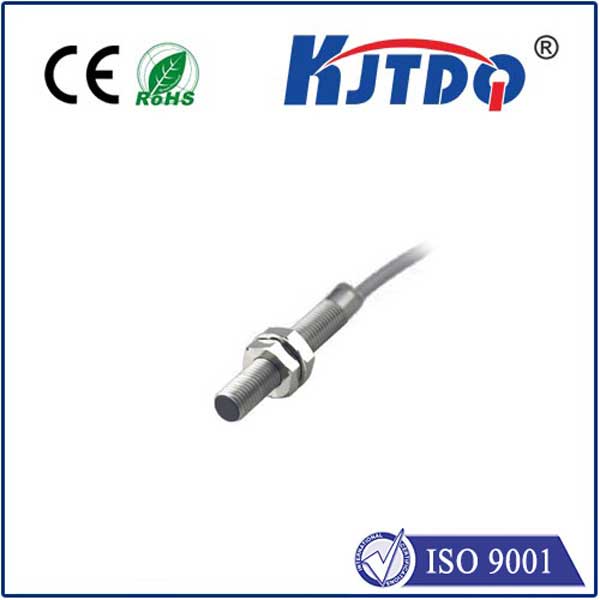
In today's fast-paced industrial environments, the demand for robust and reliable sensing technology is paramount. Equipment must perform consistently under challenging conditions, from manufacturing floors to outdoor installations. This is where the waterproof IP67 proximity sensor steps in, offering a critical solution for automation and control systems. Designed to withstand harsh environments, these sensors provide accurate detection without succumbing to dust, moisture, or temporary immersion.
The "IP67" rating is a key differentiator. The Ingress Protection (IP) code classifies the degrees of protection provided against intrusion. The first digit, '6', signifies complete protection against dust. The second digit, '7', indicates the sensor can withstand immersion in water up to 1 meter for 30 minutes. This level of durability makes the IP67 proximity sensor indispensable in applications such as food and beverage processing, where washdowns are frequent, in automotive assembly lines exposed to coolants, or in agricultural machinery operating in dusty, rainy conditions.
Beyond its rugged exterior, the core functionality of a proximity sensor remains its non-contact detection capability. Utilizing technologies like inductive, capacitive, or ultrasonic principles, these sensors detect the presence or absence of metallic or non-metallic objects. The waterproof housing ensures that this sensitive electronic functionality remains uncompromised. For instance, an inductive waterproof IP67 sensor can reliably detect metal parts on a conveyor belt even when splashed with oils or water, preventing costly jams and production downtime.
The integration of such sensors into automated systems leads to significant gains in operational efficiency. By providing consistent, real-time feedback on object position, they enable precise control of machinery, robotic arms, and material handling systems. This precision reduces waste, improves product quality, and enhances overall equipment effectiveness (OEE). Their reliability means fewer sensor failures, lower maintenance costs, and less unplanned stoppage, contributing directly to a healthier bottom line.
Installation and maintenance are streamlined due to their robust design. Many models feature stainless steel housings and sealed connectors, allowing for easy integration into existing setups with confidence. Their longevity in corrosive or wet environments reduces the frequency of replacements, offering a superior total cost of ownership compared to standard sensors. When selecting a waterproof IP67 proximity sensor, factors such as sensing range, output type (PNP/NPN), and connection method should be considered to match the specific application requirements.
From packaging lines to renewable energy systems, the applications are vast. They monitor fluid levels in tanks, control gates in water treatment plants, and ensure safety in automated guided vehicles (AGVs). Their role in enabling the Internet of Things (IoT) in industrial settings is also growing, as they provide the critical data points needed for smart monitoring and predictive maintenance analytics.
In conclusion, the waterproof IP67 proximity sensor is more than just a component; it is a cornerstone of modern industrial resilience. By guaranteeing performance where other sensors would fail, it ensures continuity, safety, and efficiency. For engineers and system integrators aiming to build robust automation solutions, specifying sensors with this level of protection is not merely an option—it is a strategic necessity for sustainable and reliable operations in an increasingly demanding world.