check

check

check

check
check
check
check
check
check

check
In the world of industrial automation and electronic design, sensor failure is not an option. Downtime caused by a simple wiring error can lead to significant production losses and costly repairs. This is where the reverse polarity protected proximity sensor steps in, transforming a common point of failure into a bastion of reliability. Unlike standard sensors that can be permanently damaged by an accidental swap of positive and negative power supply wires, these robust devices are engineered to withstand such mishaps, ensuring continuous operation and protecting your investment.
The core principle behind reverse polarity protection is elegantly simple yet profoundly effective. It typically involves the integration of a protective diode or a bridge rectifier circuit within the sensor's design. When power is connected correctly, the sensor operates as intended. However, if the power leads are reversed, this internal circuitry prevents damaging current from flowing into the sensitive electronic components. Instead of frying the sensor's internal circuitry, the protection mechanism simply blocks the current, leaving the sensor unharmed. Once the wiring error is corrected, the sensor springs back to life, ready to perform its detection duties without any degradation in performance. This feature is particularly invaluable in high-vibration environments or during rapid installation and maintenance cycles where human error is more likely.
The applications for these hardened sensors are vast and critical. Imagine an automotive assembly line where inductive proximity sensors monitor the position of robotic arms. A single miswired sensor could halt the entire line. With reverse polarity protection, that risk is mitigated. In material handling, such sensors detect the presence of packages on conveyors. In harsh outdoor applications, like agricultural machinery or construction equipment, where wiring may be exposed to the elements and quick fixes are common, this protection is indispensable. It's not just about preventing damage; it's about ensuring predictable, fail-safe operation in systems where safety and uptime are paramount.
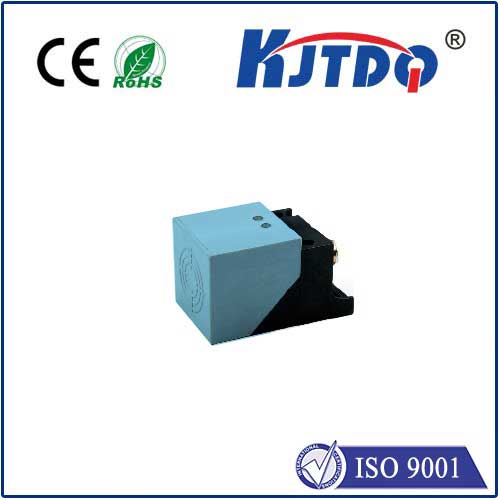
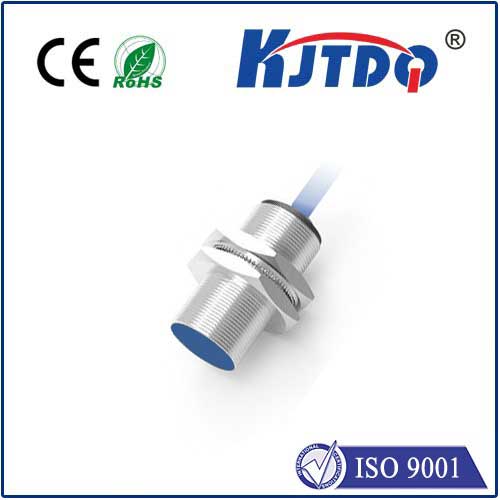
Choosing the right reverse polarity protected proximity sensor involves considering several key specifications beyond the protection itself. First, determine the sensing type: inductive sensors for detecting metals, capacitive sensors for non-metals like liquids or plastics, or ultrasonic sensors for distance measurement. Each can be equipped with this protective feature. Next, consider the sensing range, output type (e.g., NPN, PNP, or analog), and housing material. A sensor with an IP67 or IP68 rating, combined with reverse polarity protection, offers a formidable defense against both electrical and physical environmental challenges.
The benefits extend far beyond the immediate avoidance of replacement costs. They include enhanced system reliability, reduced maintenance time and troubleshooting efforts, and improved overall safety for technicians. By specifying sensors with built-in reverse polarity protection, engineers and plant managers build a more resilient infrastructure. It represents a proactive approach to design, acknowledging that mistakes happen and building systems that are forgiving rather than fragile. This leads to lower total cost of ownership over the sensor's lifespan, as the likelihood of premature failure due to installation errors drops dramatically.
In conclusion, the reverse polarity protected proximity sensor is more than just a component; it is a strategic asset for any operation demanding high reliability. It embodies the shift from reactive maintenance to proactive design intelligence. For system integrators, OEMs, and maintenance teams, adopting these sensors is a clear step towards minimizing downtime, protecting capital equipment, and ensuring smooth, uninterrupted processes. In the relentless pursuit of operational excellence, this simple layer of protection is a powerful tool, making systems not only smarter but also significantly more robust and dependable.