check

check

check

check
check
check
check
check
check

check
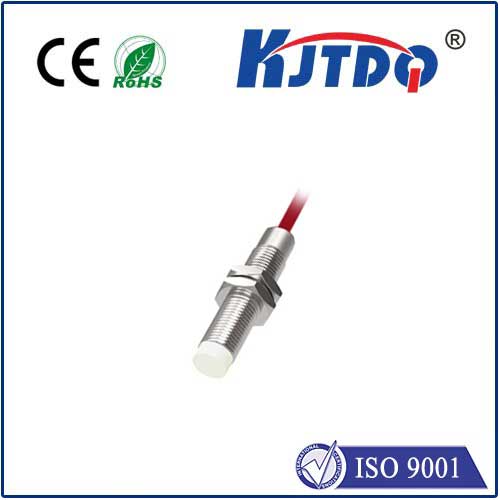
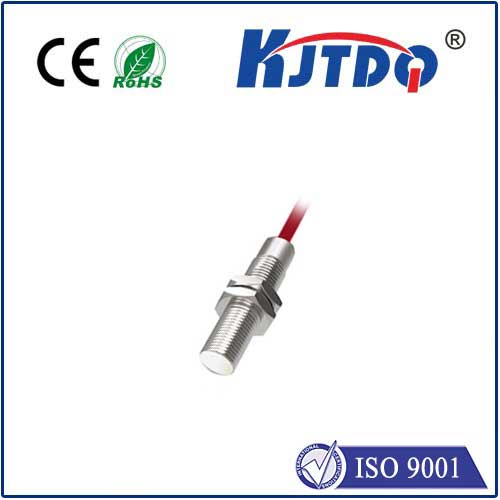
In modern industrial environments, the demand for precise, reliable, and non-contact detection is paramount. The cable exit proximity sensor represents a critical innovation in this domain, specifically designed to monitor the presence or absence of cables, wires, or similar elongated objects as they exit conduits, housings, or machinery. This technology is indispensable for preventing costly jams, ensuring proper assembly, and maintaining uninterrupted production flow in sectors ranging from automotive wiring harness manufacturing to fiber optic cable production and consumer electronics assembly.
Unlike traditional mechanical limit switches or photoelectric sensors that might struggle with the specific profile and material of cables, a dedicated cable exit proximity sensor utilizes advanced sensing principles. Most commonly, these sensors employ inductive or capacitive technology. Inductive sensors are ideal for detecting metallic cables, generating an electromagnetic field and reacting to the eddy currents induced in the metal. Capacitive sensors, on the other hand, can detect both metallic and non-metallic materials like plastic-jacketed wires by sensing changes in capacitance caused by the presence of any dielectric material. This versatility ensures that regardless of the cable composition—be it copper, aluminum, or polymer—there is a sensor configuration to reliably detect its passage.
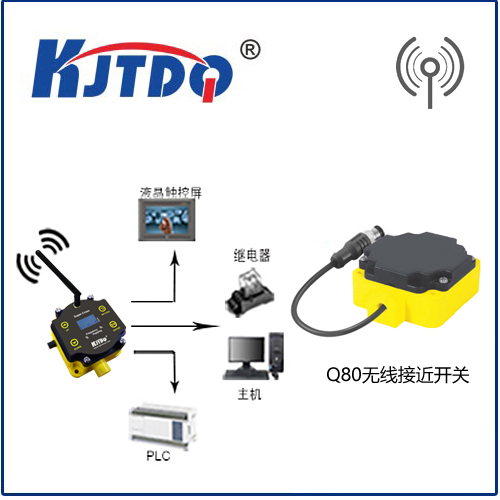
The operational principle is elegantly straightforward yet highly effective. The sensor is mounted at the precise point where a cable is supposed to exit a guide tube, a connector block, or a payout system. Its sensing face is positioned to create a defined detection zone. When a cable passes through this zone, it alters the sensor's electromagnetic field or capacitance. This change is processed by the sensor's internal electronics, triggering a clean, solid-state output signal. This signal can immediately alert a PLC (Programmable Logic Controller) or machine control system. The system can then verify that the cable has been properly fed, confirm that a termination process can begin, or, crucially, trigger an alarm and machine stop if a cable is missing or has broken, preventing downstream defects or damage.
The benefits of integrating KJTDQ cable exit proximity sensors into industrial setups are substantial. First and foremost is the enhancement of quality control. By verifying the presence of every single cable in a multi-wire connector or harness, manufacturers can eliminate errors that lead to product failures or costly rework. Secondly, they significantly boost operational efficiency. Automated detection allows for higher machine speeds with confidence, reducing the need for manual visual inspections and minimizing downtime caused by jams or misfeeds. Furthermore, their non-contact nature means there is no physical wear on the sensor or the cable itself, leading to exceptional long-term reliability and reduced maintenance costs compared to mechanical alternatives.
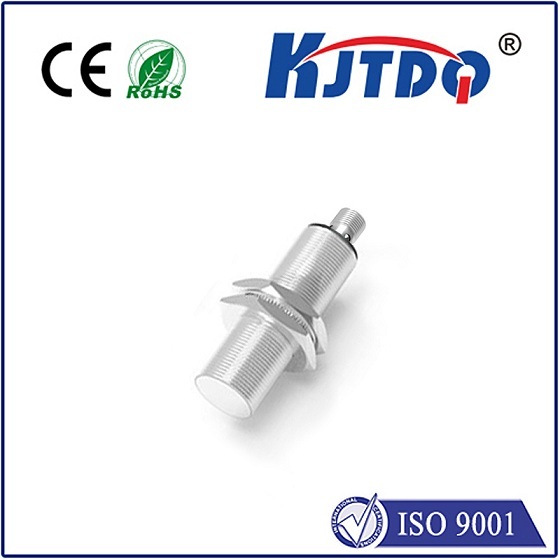
When selecting a cable exit proximity sensor for an application, several key specifications must be considered. Sensing range is critical and must be matched to the cable diameter and mounting constraints. The housing material, typically stainless steel or ruggedized PBT plastic, must withstand the industrial environment, which may involve exposure to coolants, oils, or dust. Output type (PNP/NPN analog or digital) must be compatible with the existing control system. Additionally, features like short-circuit protection, reverse polarity protection, and an IP67 or higher ingress protection rating are essential for ensuring durability and trouble-free operation in harsh conditions.
Installation and alignment are straightforward but require attention to detail. The sensor must be securely mounted to avoid vibration-induced false signals. The distance between the sensor face and the cable path must be set within the specified nominal sensing range, often adjustable via a potentiometer or teach-in function. For optimal performance, especially with very thin cables or in environments with electrical noise, proper shielding and grounding practices should be followed as per the manufacturer's guidelines.
Looking ahead, the evolution of cable exit proximity sensors is intertwined with Industry 4.0 trends. Future iterations are likely to incorporate IO-Link communication, enabling not just binary detection but also the transmission of detailed diagnostic data, such as signal strength, operating temperature, and device health status, to higher-level systems for predictive maintenance. This digital transformation will further solidify their role as intelligent components within smart factories.
In conclusion, the KJTDQ cable exit proximity sensor is far more than a simple detection switch. It is a sophisticated, reliable, and essential component for ensuring precision, efficiency, and quality in any automated process involving the handling of cables or wires. By providing a fail-safe method to confirm the correct exit and presence of these critical components, it safeguards production integrity, reduces waste, and contributes directly to a more robust and profitable manufacturing operation.