check

check

check

check
check
check
check
check
check

check
In the world of industrial automation and smart device design, precision is paramount. The ability to detect an object's presence or absence accurately and reliably forms the backbone of countless systems, from assembly lines and robotic arms to consumer electronics and security applications. Among the various sensing technologies available, proximity sensors stand out for their non-contact operation and durability. A specific variant, the 50mm sensing distance proximity sensor, has carved a significant niche, offering an optimal balance of range, size, and performance for a wide array of use cases. This guide delves into the technology, applications, and key considerations surrounding this versatile component.
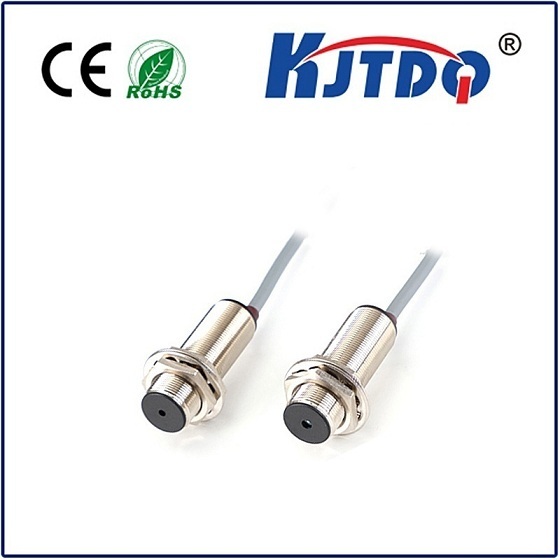
At its core, a proximity sensor is a device that detects the presence of nearby objects without any physical contact. It does this by emitting an electromagnetic field or a beam of electromagnetic radiation (like infrared light) and looking for changes in the field or return signal. The 50mm specification refers to its nominal sensing range—the maximum distance at which it can reliably detect a standard target. This particular range is highly practical. It provides sufficient standoff distance to protect the sensor from accidental impacts or environmental contaminants while being compact enough for integration into space-constrained designs. Unlike sensors with shorter ranges, a 50mm sensor offers more flexibility in mounting and layout, allowing machinery designers to place components with greater clearance.
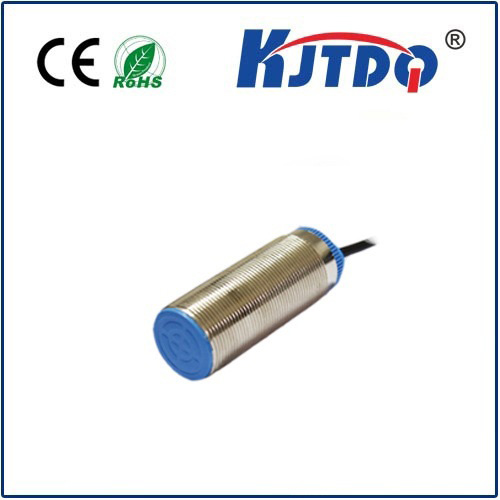
The technology inside these sensors primarily falls into two categories: inductive and capacitive. Inductive proximity sensors are the workhorses for detecting metallic objects. They generate an oscillating electromagnetic field. When a metal target enters this field, it induces eddy currents within the metal, which dampens the oscillation of the sensor's internal circuit, triggering a detection signal. These sensors are incredibly robust, immune to dust, oil, and moisture (often rated IP67 or higher), and are ideal for harsh industrial environments like metal machining, conveyor systems, and automotive manufacturing. Their sensing distance can be slightly affected by the type of metal, with steel providing the standard range.
Capacitive proximity sensors, on the other hand, can detect both metallic and non-metallic materials—plastics, wood, liquids, powders, and more. They function by measuring changes in capacitance. The sensor forms one plate of a capacitor, with the target object acting as the other plate. As an object approaches, the capacitance increases, and once it reaches a threshold, the sensor switches. This makes them perfect for applications like liquid level detection in tanks, material handling of cardboard boxes or glass bottles, and touch-sensitive interfaces. The 50mm range in capacitive sensors provides a reliable buffer for detecting materials through thin barriers or in messy conditions.
The advantages of specifying a 50mm sensing distance proximity sensor are numerous. Reliability is foremost; these sensors offer consistent performance, reducing false triggers and machine downtime. Their non-contact nature eliminates wear and tear, leading to a long operational lifespan with minimal maintenance. The standardized 50mm range simplifies machine design and safety planning, ensuring operators and other components maintain a safe distance. Furthermore, modern versions come with various output options (NPN, PNP, analog, IO-Link) and housing styles (cylindrical, rectangular, flat) to seamlessly integrate into any control system.
Real-world applications are vast. In packaging machinery, a 50mm inductive sensor verifies the presence of a metal cap on a bottle before filling. In automated warehousing, capacitive sensors detect the position of pallets or boxes on a conveyor. Within consumer printers, such a sensor might detect paper jams or the opening of a cover. In the realm of security, they can be used as non-contact door position sensors. The 50mm distance is particularly useful in robotic end-effectors, allowing the gripper to sense an object's presence before making contact, enabling more delicate and precise handling operations.
When selecting a 50mm proximity sensor, several factors must be evaluated. First, identify the target material to choose between inductive or capacitive technology. Consider the environmental conditions: temperature extremes, exposure to chemicals, washdown requirements, and potential electrical noise. The required output signal and electrical compatibility (voltage, current) with your PLC or controller are critical. Finally, the physical size and mounting style must fit the mechanical design. Always consult the manufacturer's datasheet, as the actual sensing range can be influenced by target size, shape, and environmental factors, with "50mm" typically being the value for a standard square steel target.
In conclusion, the 50mm sensing distance proximity sensor is a fundamental and highly adaptable component in modern engineering. It delivers a perfect synergy of adequate range, proven reliability, and technological flexibility. Whether ensuring the smooth operation of a heavy-duty industrial robot or adding a smart detection feature to a new electronic gadget, understanding and utilizing this sensor type is key to achieving efficient, safe, and intelligent automated solutions. By carefully matching the sensor's technology to the application's specific demands, designers and engineers can build systems that are both robust and precise.