check

check

check

check
check
check
check
check
check

check
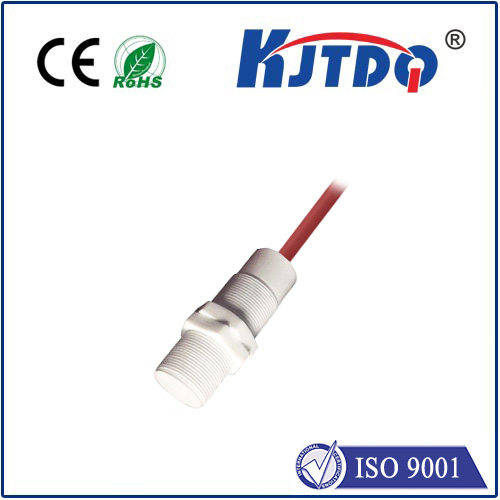
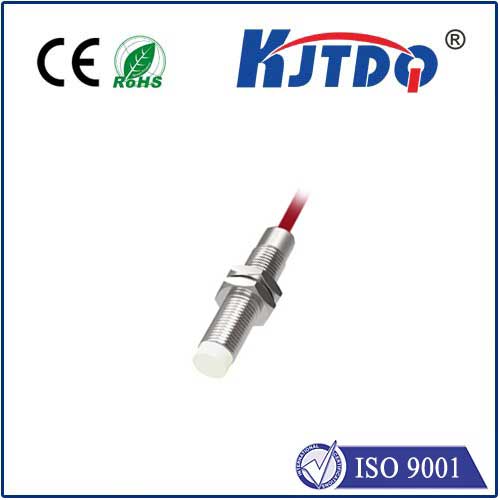
In industries where hygiene, durability, and reliability are non-negotiable, the IP69K washdown proximity sensor stands as a critical component. These sensors are engineered to withstand the most aggressive cleaning procedures and corrosive environments, making them indispensable in food and beverage processing, pharmaceutical manufacturing, chemical plants, and other demanding sectors. The "IP69K" rating is the highest ingress protection classification, signifying complete protection against dust ingress and the ability to endure high-pressure, high-temperature water jets during washdowns. This makes them far superior to standard waterproof sensors.
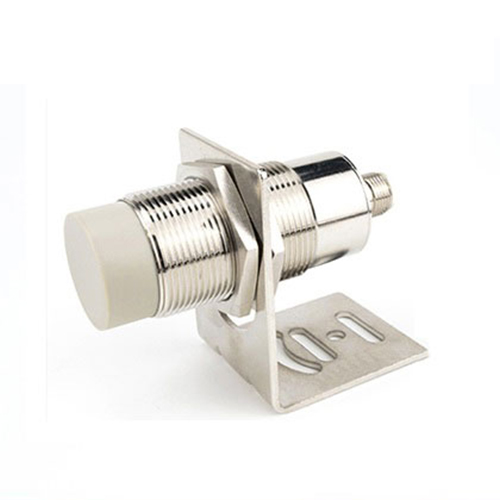
The core technology behind these robust sensors often involves inductive or capacitive sensing principles. Inductive models detect metallic objects, while capacitive variants can sense both metallic and non-metallic materials, such as liquids or plastics. This versatility allows for a wide range of applications, from detecting the position of a stainless-steel valve in a bottling line to monitoring fluid levels in a mixing vat. The housing is typically constructed from high-grade stainless steel (like 316L) or ruggedized plastics, ensuring resistance to chemicals, acids, and alkalis commonly used in industrial cleaning.
One of the most significant advantages of the IP69K washdown proximity sensor is its contribution to operational efficiency and safety. By providing accurate, non-contact detection in wet and dirty conditions, it minimizes downtime caused by sensor failure. Traditional sensors might falter when exposed to caustic cleaners or high-pressure sprays, leading to false signals or complete breakdowns. In contrast, an IP69K-rated sensor maintains consistent performance, ensuring continuous production flow and reducing maintenance costs. Its sealed design prevents the ingress of water, steam, and food particles, which is crucial for meeting stringent sanitary standards like those from the FDA or EHEDG.
Installation and integration are also streamlined. Modern IP69K sensors come with various output options (e.g., PNP, NPN, analog, IO-Link) and connection types, such as quick-disconnect M12 or M8 connectors, facilitating easy setup and replacement. The inclusion of advanced features like temperature compensation and short-circuit protection further enhances their reliability. For instance, in a dairy plant, these sensors can reliably count yogurt cups on a high-speed conveyor that undergoes daily aggressive sanitization, without any loss of accuracy.
When selecting an IP69K washdown proximity sensor, key considerations include sensing distance, target material, temperature range, and the specific electrical requirements of the application. It is vital to choose a sensor from a reputable manufacturer known for quality and testing. Proper installation, following guidelines for mounting and cable routing, ensures the sensor performs as intended throughout its long service life.
Ultimately, the investment in an IP69K-rated washdown proximity sensor translates into long-term savings and enhanced productivity. It eliminates a common point of failure in harsh industrial environments, supports automation goals, and upholds the highest levels of cleanliness and safety. As industries continue to automate and demand higher standards, the role of these rugged sensors becomes ever more central to efficient and compliant operations.