check

check

check

check
check
check
check
check

check
check
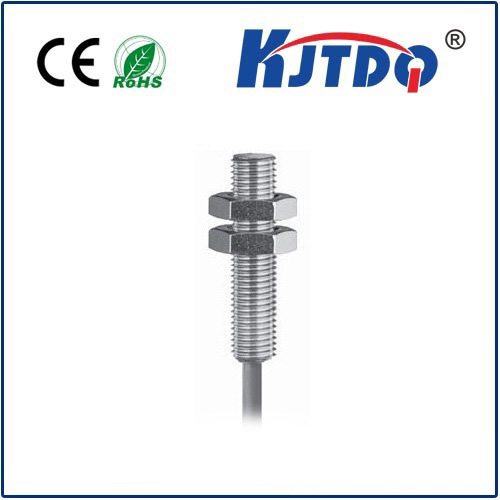
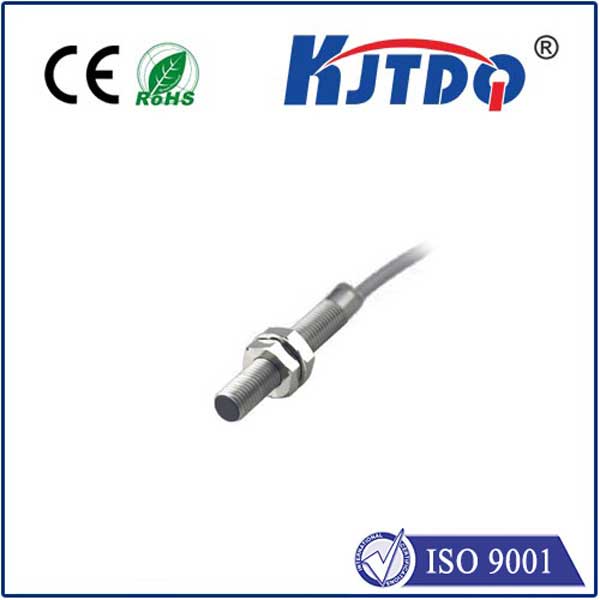
In the world of industrial automation and machinery control, the need for dependable, non-contact object detection is paramount. This is where the AC 24-240V proximity sensor stands as a critical component. Unlike mechanical limit switches, these sensors detect the presence or absence of metallic objects without any physical contact, leading to significantly reduced wear and tear, higher operational speeds, and enhanced system longevity. The specific voltage range of 24 to 240 volts AC makes this sensor exceptionally versatile, capable of integrating seamlessly into a wide array of control systems, from simple conveyor belts to complex robotic assembly lines.
The core technology behind most AC 24-240V inductive proximity sensors is based on the principle of electromagnetic induction. The sensor generates an oscillating electromagnetic field from its active face. When a ferrous or non-ferrous metallic target enters this field, eddy currents are induced within the target. This causes a change in the oscillation amplitude within the sensor's internal circuit. A dedicated signal conditioning circuit detects this change and triggers a solid-state switching output. This entire process happens in microseconds, providing near-instantaneous feedback to the programmable logic controller (PLC) or other control unit. The "AC" designation indicates the sensor operates on alternating current, which is the standard power supply in many industrial facilities, eliminating the need for additional DC power converters.
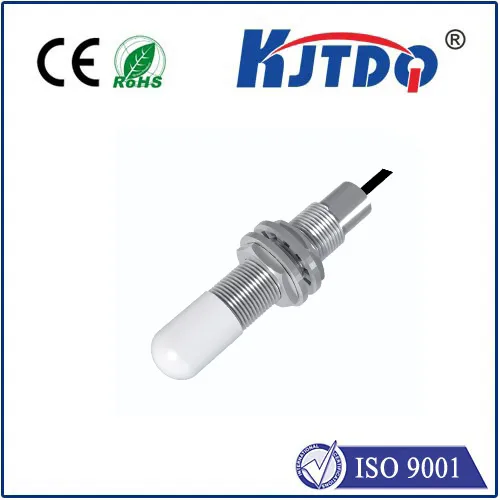
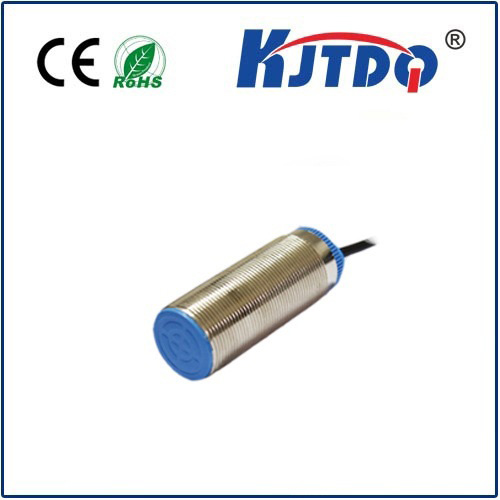
One of the primary advantages of the wide 24-240V AC range is its remarkable power supply compatibility. This feature simplifies inventory management for maintenance teams, as a single sensor model can be deployed in control panels with different voltage levels, whether it's a standard 110V AC line or a 240V AC three-phase system. It offers built-in protection against common voltage fluctuations found in industrial environments, ensuring stable performance. Furthermore, these sensors are renowned for their robustness. Housed typically in nickel-plated brass or stainless steel, they are designed to withstand harsh conditions including coolant splashes, oil mist, dust, and mechanical vibrations. Many models come with IP67 or higher ingress protection ratings, making them suitable for washdown areas in food and beverage processing or outdoor applications.
When selecting an AC 24-240V proximity sensor for a specific application, several key specifications must be considered. The sensing distance, often rated as the "nominal range," is crucial. It is important to note that this rated distance is calibrated for a standard mild steel target. For other metals like aluminum or copper, a correction factor must be applied, as the effective sensing range will be shorter. The mounting style is another vital factor; flush-mounted sensors can be installed without protruding, avoiding accidental damage, while non-flush types offer a longer sensing range. The output type, typically a 2-wire configuration that carries both the load and signal, is standard for AC sensors. Users must also pay attention to the output state—normally open (NO) or normally closed (NC)—to ensure proper logic integration with the control system.
Practical applications for these sensors are vast and varied. In material handling, they are used to detect the position of pallets on conveyors, count products, or signal the end of a roll in packaging machinery. In the automotive industry, they verify the presence of metal components in welding stations or robotic grippers. On machine tools, they serve as limit switches to prevent over-travel of moving parts. Their non-contact nature makes them ideal for high-speed bottling lines where mechanical switches would fail quickly. For installation, best practices include ensuring a clean sensing face free of debris, maintaining the recommended gap between the sensor and the target, and avoiding mounting in close proximity to other strong electromagnetic sources to prevent mutual interference. Regular testing with a metal target is recommended as part of a preventive maintenance schedule.
In conclusion, the AC 24-240V proximity sensor is more than just a simple switch; it is a fundamental enabler of modern industrial automation. Its broad voltage acceptance, rugged construction, and reliable non-contact sensing principle provide a perfect blend of flexibility and durability. By understanding its operating principles, key specifications, and application best practices, engineers and technicians can leverage this technology to create more efficient, reliable, and maintenance-friendly control systems. Choosing the right sensor and installing it correctly is an investment that pays dividends in reduced downtime and increased productivity across countless industrial operations.