check

check

check

check
check
check
check
check
check

check
In the dynamic landscape of industrial automation, precision and reliability are non-negotiable. At the heart of countless applications, from assembly lines to material handling, lies a critical component: the proximity sensor. Among the various form factors available, the M30 threaded design has emerged as a standard for robust and versatile sensing. This guide delves into the world of the M30 threaded proximity sensor, exploring its core technology, key advantages, and diverse applications to help you make an informed decision for your operational needs.
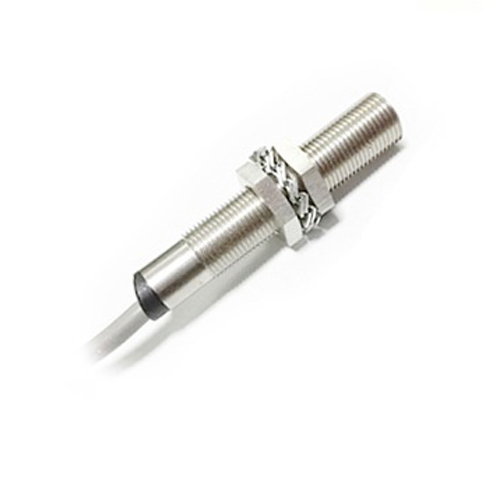
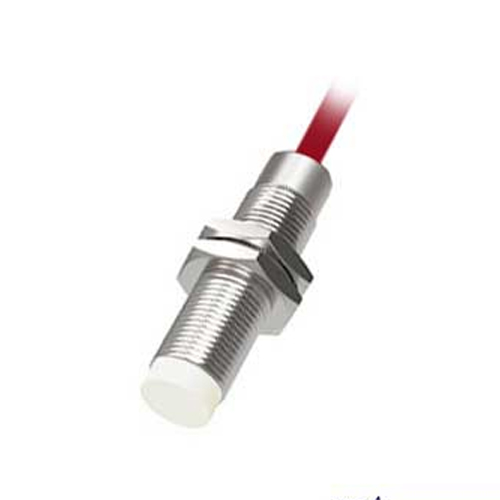
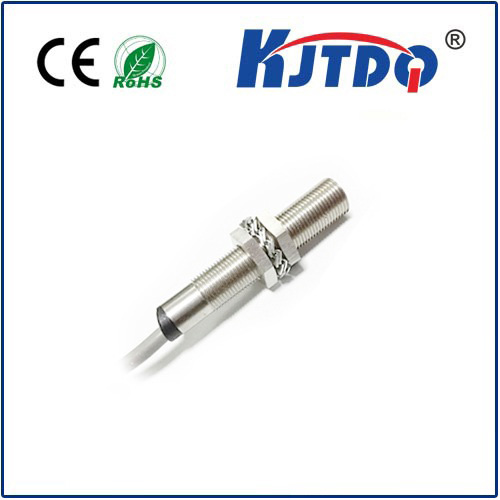
The term "M30" refers to the sensor's housing, specifically its 30-millimeter diameter and standardized metric thread. This threading allows for easy and secure installation into pre-drilled and tapped mounting holes, providing excellent mechanical stability in high-vibration environments. The threaded body ensures a tight seal, often meeting IP67 or higher ratings, which means it is protected against dust ingress and temporary immersion in water. This makes the M30 sensor ideal for harsh industrial settings where exposure to coolants, oils, and particulate matter is common.
Proximity sensors themselves operate on a non-contact principle. The most prevalent type is the inductive proximity sensor, which generates an electromagnetic field. When a metallic target object enters this field, it causes a change in the oscillation amplitude, triggering the sensor's switch. This technology is perfect for detecting the presence or absence of metal parts—be it steel, aluminum, or brass—without any physical contact, thereby eliminating wear and tear. For applications requiring detection of non-metallic objects, capacitive M30 sensors are available, which react to changes in capacitance caused by the presence of any material.
The benefits of opting for an M30 threaded proximity sensor are substantial. Their rugged metal housing, typically made from stainless steel or nickel-plated brass, offers exceptional durability against mechanical impacts and chemical corrosion. The standardized M30 size ensures broad compatibility and easy replacement across different machinery and manufacturers. Furthermore, these sensors offer high switching frequencies and precise sensing ranges, enabling fast-paced, accurate detection critical for modern automation. Their self-contained nature means no moving parts to fail, leading to minimal maintenance and long service life, which directly translates to reduced downtime and operational costs.
Application scenarios for the M30 threaded proximity sensor are virtually limitless. In automotive manufacturing, they are used for part positioning, robotic arm end-effector sensing, and verifying the presence of components on pallets. In packaging machinery, they detect fill levels, count products on conveyors, and monitor cap placement. Within the food and beverage industry, stainless steel M30 sensors ensure hygiene while detecting metal containers or monitoring processes. They are also fundamental in CNC machining for tool positioning and in material handling systems for detecting pallet positions.
When selecting an M30 threaded proximity sensor, several technical specifications demand attention. The sensing distance, often a few millimeters for inductive types, must be suitable for your target object and installation constraints. The output type—whether NPN (sinking) or PNP (sourcing)—must match your control system's PLC input card requirements. The operating voltage range (commonly 10-30V DC) and connection method (pre-wired cable or quick-disconnect) are other crucial factors. Always consult the sensor's datasheet to ensure it meets the environmental conditions, such as temperature range and required ingress protection.
In conclusion, the M30 threaded proximity sensor represents a perfect blend of standardized design, rugged construction, and reliable performance. Its widespread adoption across industries is a testament to its effectiveness in solving core sensing challenges. By understanding its operating principles, key benefits, and selection criteria, engineers and maintenance professionals can leverage this versatile component to enhance system reliability, improve efficiency, and drive productivity in their automated processes. Investing in the right sensor is an investment in the smooth and uninterrupted flow of your entire operation.