check

check

check

check
check
check
check
check
check

check
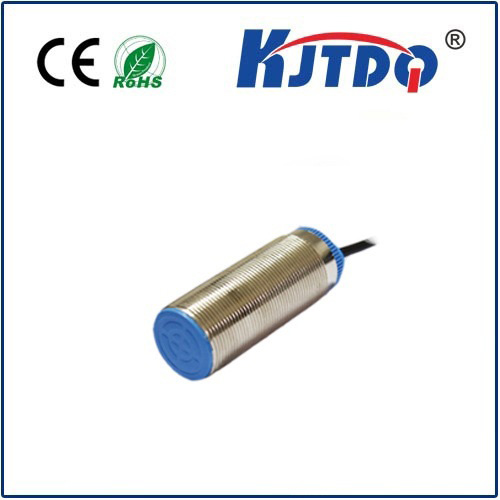
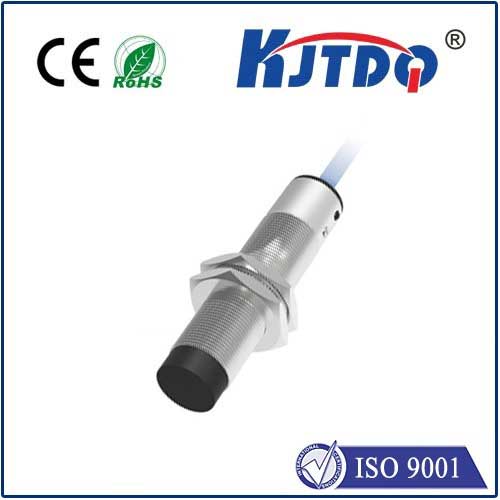
In the fast-paced world of industrial automation, precision and speed are non-negotiable. The integration of high-speed switching proximity sensors has become a cornerstone for modern manufacturing and processing lines. These advanced devices, such as the KJTDQ series, are engineered to detect the presence or absence of objects with exceptional rapidity and reliability, without any physical contact. This capability is fundamental to streamlining operations, minimizing downtime, and ensuring consistent product quality.
The core technology behind a high-speed switching proximity sensor involves generating an electromagnetic field. When a metallic or sometimes other specific material object enters this field, it causes a change in the oscillation amplitude or frequency. The sensor's internal circuitry detects this disturbance almost instantaneously and triggers a switching signal. The "high-speed" designation refers to the incredibly short response time—often measured in microseconds—and the ability to handle a vast number of switching cycles per second. This makes them indispensable for applications involving fast-moving parts on conveyor belts, high-speed sorting systems, precision assembly robots, and packaging machinery.
The KJTDQ sensor series exemplifies these principles with robust construction designed for harsh industrial environments. Key features typically include immunity to environmental factors like dust, oil, and moisture, ensuring stable performance. Their compact size allows for easy integration into space-constrained machinery. Furthermore, many models offer adjustable sensing ranges and output configurations (like NPN or PNP) to fit diverse electrical setups. The reliability of such sensors directly translates to fewer false triggers and reduced maintenance needs, which is a critical factor for continuous production cycles.
One of the primary advantages of utilizing a high-speed proximity sensor like the KJTDQ is the significant boost in system throughput. By enabling faster detection and response, production lines can operate at higher speeds without sacrificing accuracy. For instance, in bottling plants, these sensors can accurately count and verify the position of containers zooming past at high rates, ensuring proper filling and capping. In automotive manufacturing, they are crucial for verifying the correct placement of components on rapidly moving engine blocks or chassis.
Beyond speed, these sensors enhance safety and control. They can be used as non-contact limit switches to prevent over-travel of mechanical parts, protecting expensive equipment from damage. In automated guided vehicles (AGVs), they provide essential object detection for collision avoidance. The precision offered eliminates the wear and tear associated with mechanical switches, leading to a longer operational lifespan and lower total cost of ownership.
Implementing high-speed switching sensors does require careful consideration. Factors such as the target material, required sensing distance, environmental conditions, and electrical interface must be evaluated. Proper installation is paramount to avoid interference from adjacent metal structures or other sensors. Regular calibration and checks, as part of a preventive maintenance schedule, help sustain optimal performance over time.
As Industry 4.0 and smart manufacturing evolve, the role of sensors like the KJTDQ becomes even more central. They are the critical data points feeding into programmable logic controllers (PLCs) and supervisory systems, enabling real-time monitoring, predictive maintenance, and adaptive process control. The data collected on cycle counts, operational hours, and error events can be analyzed to further optimize entire production ecosystems.
In conclusion, the high-speed switching proximity sensor is far more than a simple detection device; it is a vital enabler of efficiency, quality, and intelligence in automation. The KJTDQ series, with its focus on rapid response and rugged reliability, represents a key component for industries aiming to stay competitive. By ensuring precise, contactless, and instantaneous detection, these sensors form the silent, yet indispensable, backbone of modern automated systems, driving productivity forward one swift detection at a time.