check

check

check

check
check
check
check
check

check
check
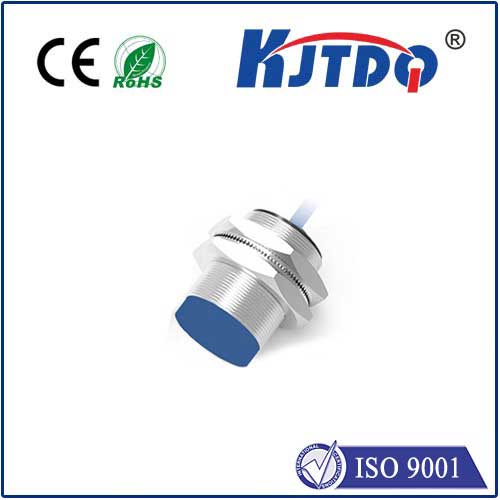
In the rapidly evolving landscape of industrial technology, the demand for reliable, non-contact detection solutions has never been greater. Enter the long range proximity sensor, a pivotal innovation that is fundamentally transforming how industries monitor, measure, and manage processes from a safe distance. Unlike traditional sensors with limited operational ranges, these advanced devices offer unparalleled detection capabilities, bridging significant gaps—both literally and figuratively—in automation and safety protocols.
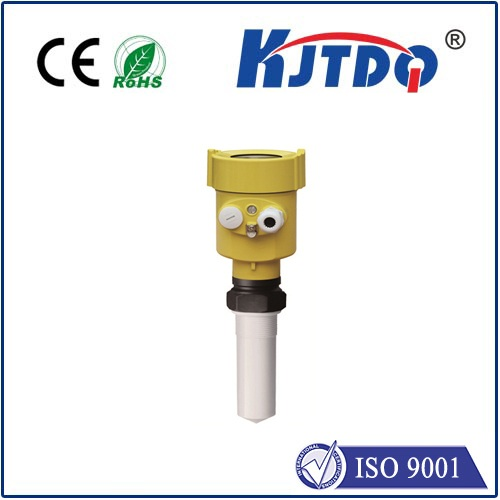
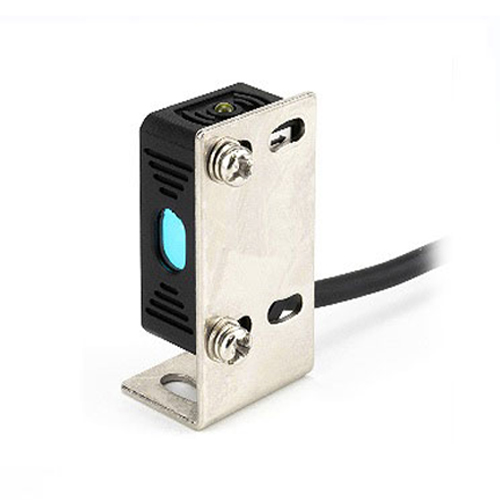
At its core, a long range proximity sensor is designed to detect the presence or absence of an object without any physical contact. It achieves this by emitting a field or beam, such as ultrasonic waves, laser light, or radio frequency signals, and analyzing the reflected signal. The key differentiator is its extended operational range, which can span from several centimeters to over tens of meters, depending on the technology employed. This capability makes it indispensable in scenarios where close proximity is hazardous, impractical, or simply inefficient.
The applications of these sensors are vast and varied, cutting across numerous sectors. In manufacturing and logistics, they are deployed for precise object counting on high-speed conveyor belts, accurate positioning of large machinery components, and inventory management in sprawling warehouses. Their ability to function reliably in challenging environments—through dust, minor obstructions, or variable lighting conditions—ensures continuous operation with minimal downtime. In the automotive industry, long range sensors facilitate automated guided vehicle (AGV) navigation, preventing collisions and optimizing material flow in complex assembly plants.
Beyond pure automation, the role of these sensors in enhancing workplace safety is profound. In heavy industries like mining, construction, and forestry, they serve as critical components in collision avoidance systems for large vehicles and equipment. By providing early warnings when personnel or obstacles enter predefined danger zones, they help prevent accidents before they occur. Similarly, in perimeter security and access control, long range proximity sensors form an invisible, yet highly effective, first line of defense, detecting intrusions over wide areas with high accuracy.
The technological backbone of these sensors often involves advanced modulation techniques and sophisticated signal processing algorithms. For instance, ultrasonic sensors excel in detecting a wide variety of materials, including liquids and transparent objects, over moderate distances. Laser-based sensors, or LiDAR, offer exceptional precision and range for mapping and high-accuracy measurements. The choice of technology hinges on specific application requirements, including required range, resolution, environmental factors, and target material properties.
Implementing a long range proximity sensing system requires careful consideration. Factors such as the sensor's field of view, response time, and immunity to environmental interference (like temperature fluctuations or electromagnetic noise) are critical for optimal performance. Proper installation and alignment are paramount to avoid false triggers or missed detections. Furthermore, modern sensors often come with digital interfaces and programmability, allowing for seamless integration into Industrial Internet of Things (IIoT) ecosystems, enabling predictive maintenance and real-time data analytics.
The economic and operational benefits are clear. By enabling non-contact detection over extended distances, these sensors reduce mechanical wear and tear, lower maintenance costs, and increase the longevity of both the sensor itself and the machinery it protects. They enhance system flexibility, allowing for quicker reconfiguration of production lines. Most importantly, they contribute significantly to creating safer working environments, which is invaluable.
As industries continue to stride toward greater autonomy and smarter operations, the long range proximity sensor stands as a cornerstone technology. It is not merely an incremental improvement but a transformative tool that expands the possible. From optimizing complex logistical chains to safeguarding human workers, its impact is both deep and wide-reaching. For engineers, system integrators, and operations managers, understanding and leveraging this technology is no longer an option but a necessity for staying competitive and safe in the modern industrial era. The future of automated sensing is, undoubtedly, long-range.