check

check

check

check
check
check
check
check
check

check
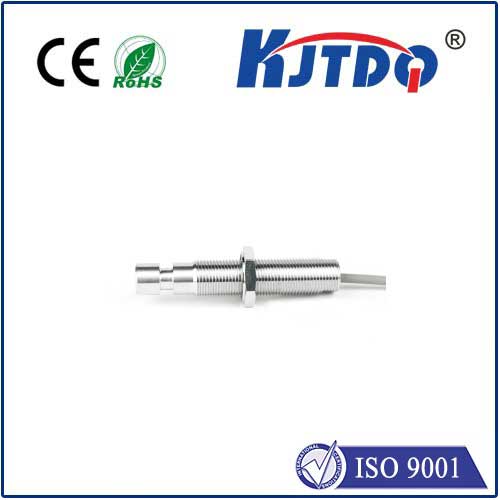
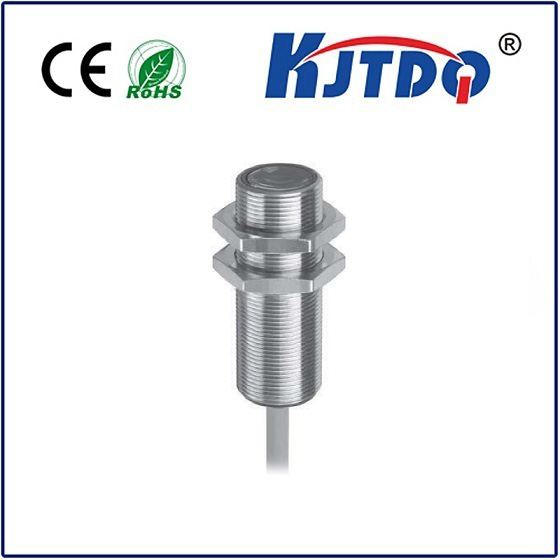
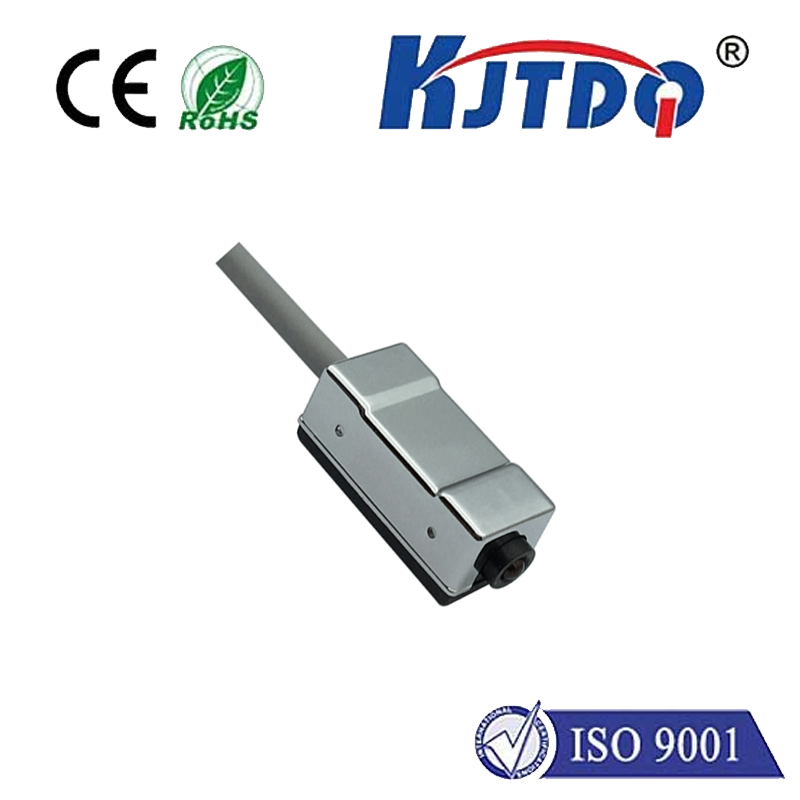
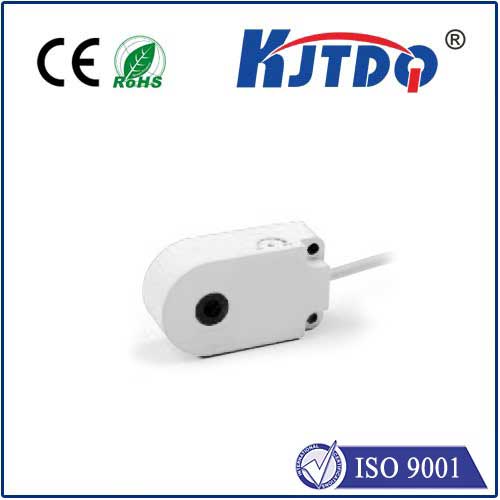
In the world of industrial automation, precision, reliability, and seamless integration are non-negotiable. This is where the digital output proximity sensor steps into the spotlight, becoming an indispensable component in countless applications. Unlike its analog counterparts, this sensor provides a clear, unambiguous signal—a simple HIGH or LOW, ON or OFF. This binary language is the native tongue of modern Programmable Logic Controllers (PLCs) and microcontrollers, enabling swift decision-making and control without the need for additional signal conditioning.
The core principle behind a digital output proximity sensor is elegantly straightforward. It detects the presence or absence of a target object within its sensing range without physical contact. Common technologies include inductive sensors for metallic objects, capacitive sensors for both metallic and non-metallic materials, and photoelectric sensors using light beams. Once the target enters the detection field, the sensor's internal circuitry triggers a state change in its output. This change is a clean switch from 0V (or a low voltage) to the supply voltage, typically 24V DC in industrial settings, or vice-versa. This crisp digital signal is highly resistant to electrical noise, a common challenge in factory environments filled with motors and drives, ensuring data integrity over long cable runs.
The advantages of implementing digital output proximity sensors are profound. First and foremost is reliability. The clear-cut signal drastically reduces the risk of misinterpretation by the control system, minimizing false triggers and production errors. This leads to enhanced process stability and product quality. Secondly, they offer remarkable simplicity in installation and setup. With no complex scaling or calibration needed—often just a potentiometer for sensing range adjustment—they save valuable engineering and commissioning time. Their durability is another key asset. Designed to withstand harsh conditions like dust, moisture, vibration, and temperature extremes, these sensors ensure long service life with minimal maintenance.
Real-world applications are vast and varied. On high-speed assembly lines, they count products, verify component placement, and control robotic pick-and-place operations. In packaging machinery, they detect label positions, monitor fill levels, and ensure case sealing. They are crucial for position verification in automated guided vehicles (AGVs), end-of-travel detection in linear actuators, and safety interlocking on machine guards. The digital signal provides the perfect "go/no-go" feedback for these critical tasks.
When selecting a digital output proximity sensor, several factors demand consideration. The sensing range, size, and technology (inductive, capacitive, etc.) must match the application. The output configuration is vital: PNP (sourcing) or NPN (sinking) must be compatible with the PLC input module. Environmental ratings, such as IP67 for protection against dust and temporary immersion, are essential for rugged use. Furthermore, some advanced models offer features like short-circuit protection, reverse polarity protection, and LED status indicators for easier diagnostics.
Looking ahead, the integration of digital output proximity sensors with Industrial Internet of Things (IIoT) architectures is a growing trend. While providing the fundamental digital switch signal, they are increasingly part of smarter sensor nodes that can communicate diagnostic data—like operating hours or temperature warnings—over IO-Link or similar protocols, paving the way for predictive maintenance.
In conclusion, the digital output proximity sensor is far more than a simple switch. It is a robust, precise, and intelligent interface between the physical and digital worlds of automation. By delivering a noise-immune, controller-friendly signal, it forms the foundational layer of feedback upon which efficient, safe, and intelligent manufacturing systems are built. Its continued evolution ensures it will remain a cornerstone of industrial innovation for years to come.