check

check

check

check
check
check
check
check
check

check
In industrial settings where flammable gases, vapors, or combustible dusts are present, safety is not just a priority—it is an absolute necessity. Standard electronic equipment can become a source of ignition, leading to catastrophic events. This is where the explosion proof rated proximity sensor becomes an indispensable component. Designed to operate reliably in the most dangerous conditions, these sensors provide critical detection capabilities without compromising the integrity of the environment.
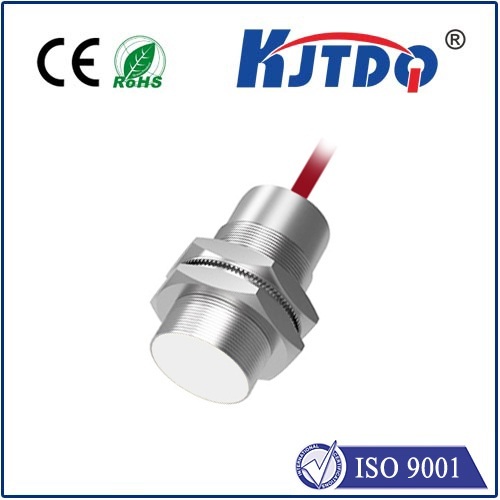
An explosion proof rated proximity sensor is engineered to contain any potential spark or thermal effect within its robust housing. The term "explosion proof" does not mean the device is immune to explosions; rather, it signifies that the enclosure can withstand an internal explosion of specified gases or vapors and prevent the ignition from escaping to the surrounding hazardous atmosphere. This is achieved through meticulously designed flame paths, durable materials like stainless steel or brass, and rigorous sealing. Proximity sensors, which detect the presence or absence of an object without physical contact, are thus made safe for use in Zones and Divisions classified as hazardous.
The applications for these rugged sensors are vast and critical. They are commonly found in oil and gas refineries, chemical processing plants, grain elevators, mining operations, and pharmaceutical manufacturing facilities. In these locations, they perform essential tasks such as monitoring valve positions, detecting level limits in tanks, counting products on conveyor belts in dusty areas, or ensuring machine guarding in paint spray booths. Their non-contact nature, often using inductive, capacitive, or ultrasonic technologies, means they can perform in environments laden with dirt, moisture, or corrosive substances where mechanical switches would fail.
Choosing the right explosion proof proximity sensor involves several key considerations. First, the specific hazardous area classification (e.g., Class I Division 1 for gases, Class II Division 2 for dust) must be matched with the sensor's certification from bodies like ATEX, IECEx, or UL. The sensing range, output type (PNP/NPN, analog, IO-Link), and housing material must suit the application. Environmental factors such as extreme temperatures, pressure washdowns, or exposure to chemicals also dictate the required Ingress Protection (IP) rating and construction quality.
Modern advancements have significantly enhanced the functionality of these safety devices. Today's explosion proof rated proximity sensors offer improved sensing distances, higher switching frequencies, and enhanced resistance to electromagnetic interference. The integration of smart diagnostics via protocols like IO-Link allows for predictive maintenance, reducing downtime by alerting operators to potential issues like sensor fouling or misalignment before a failure occurs. This connectivity, while maintaining the explosion-proof integrity, bridges the gap between operational safety and Industry 4.0 efficiency.
Installation and maintenance, while straightforward, must adhere to strict guidelines to preserve the certification. Conduit seals must be properly installed on cable entries to prevent the passage of gases. Regular inspections should check for physical damage to the housing or lens and ensure that all threaded connections remain tight. Any compromise to the sealed enclosure can nullify its explosion-proof properties. Training personnel on these specifics is crucial for long-term, safe operation.
Ultimately, the explosion proof rated proximity sensor represents a perfect synergy of safety engineering and automation technology. It allows industries handling volatile materials to automate processes, improve accuracy, and enhance productivity without elevating the risk of fire or explosion. By providing reliable, non-contact detection in a inherently safe package, it protects both valuable assets and, more importantly, human lives. Investing in high-quality, certified sensors from reputable manufacturers is not merely a compliance issue; it is a fundamental pillar of responsible industrial operation in the 21st century, ensuring that progress in automation never comes at the cost of safety.