check

check

check

check
check
check
check
check
check

check
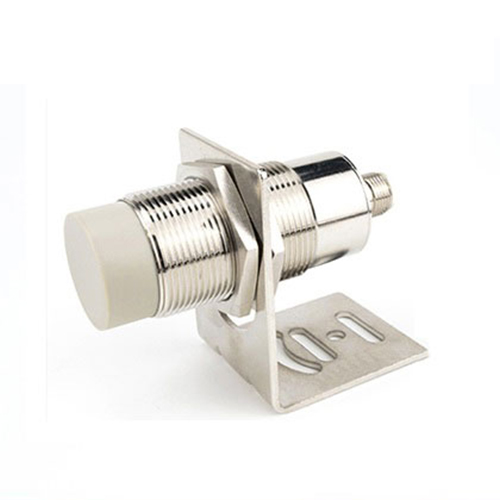
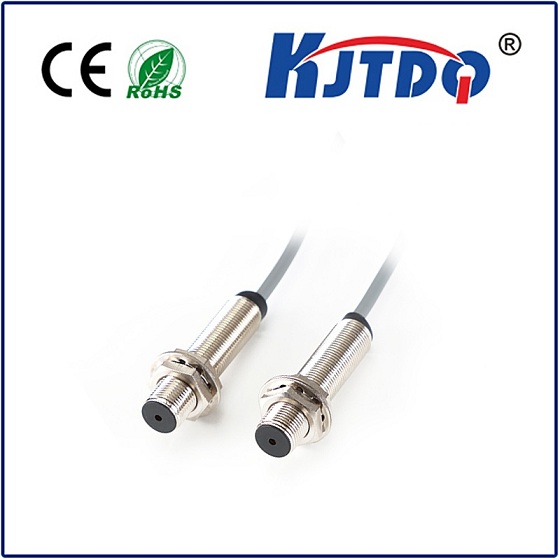
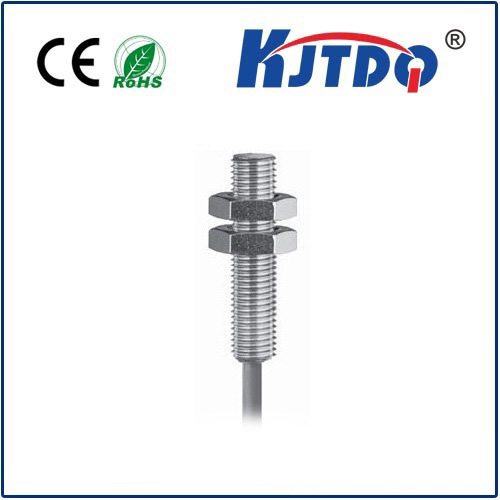
In the world of industrial automation, where precision and reliability are non-negotiable, the inductive proximity sensor stands as a cornerstone technology. These robust devices perform a critical function: detecting the presence or absence of metallic objects without any physical contact. This non-contact operation is the key to their longevity and reliability, eliminating the wear and tear associated with mechanical switches. At the heart of an inductive proximity sensor is a simple yet effective principle. The sensor generates an oscillating electromagnetic field from its active face. When a metallic target enters this field, eddy currents are induced on the target's surface. This causes a measurable change in the oscillation amplitude within the sensor's coil. An internal circuit detects this change and triggers a solid-state output signal, switching the sensor's state from "off" to "on" or vice versa.
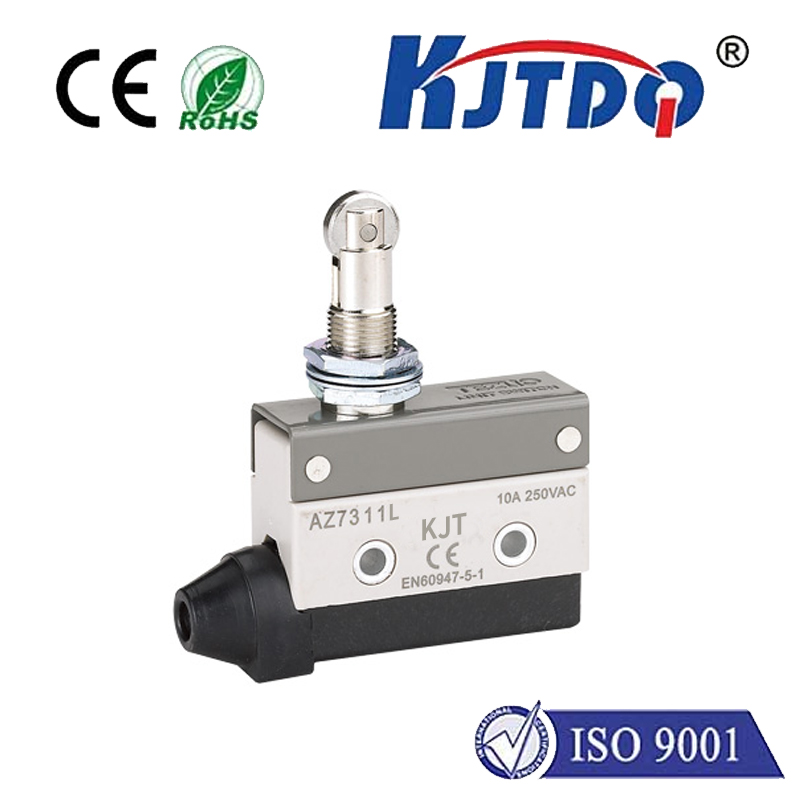
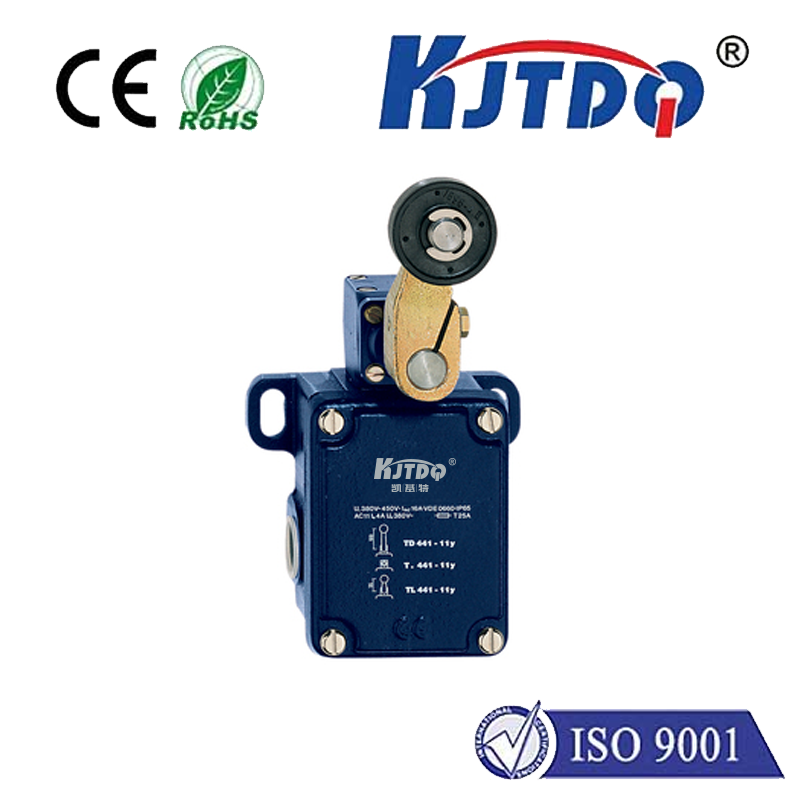
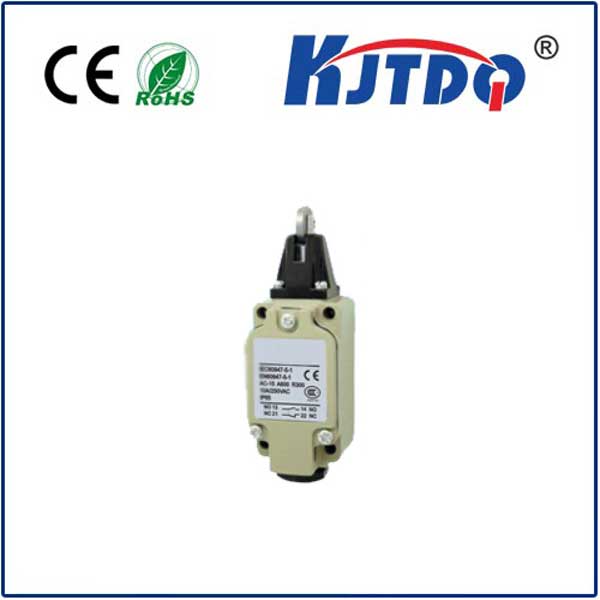
The applications for inductive sensors are vast and integral to modern manufacturing. They are commonly used for precise position sensing, such as verifying if a robot arm has reached its endpoint or if a cylinder is fully extended or retracted. They perform critical tasks in counting, ensuring the correct number of components pass on a conveyor belt. In machine safety, they act as limit switches to prevent over-travel. They are also essential for part detection, confirming the presence of a metal workpiece before a machining operation begins, thereby preventing costly errors and damage. The environment in which these sensors operate is often harsh, filled with oil, coolant, dust, and vibration. Inductive proximity sensors are specifically designed to thrive in these conditions. Their sensing face is typically made of a rugged, wear-resistant material like PTFE or ceramic, and the housing is commonly constructed from nickel-plated brass, stainless steel, or high-grade plastics. This robust construction ensures they are resistant to shock, corrosion, and most industrial chemicals, leading to minimal maintenance and a long operational life.
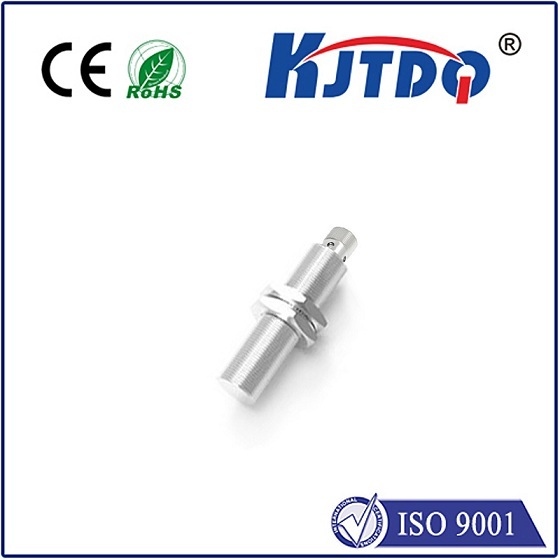
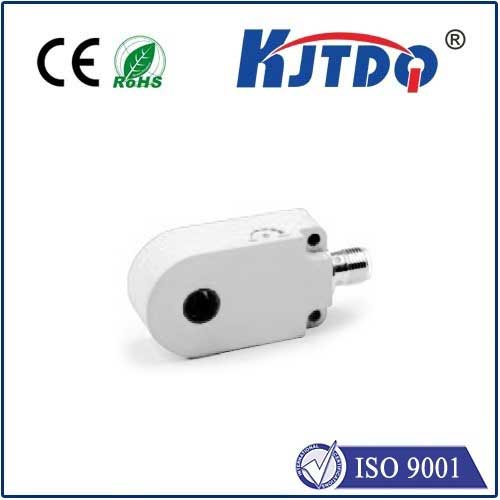
When selecting an inductive proximity sensor for a project, several key specifications must be considered to ensure optimal performance. The sensing distance, or nominal range, is crucial and varies by model and target material. It's important to note that the effective sensing range can differ for metals other than mild steel; for instance, stainless steel may reduce the range, while copper or aluminum may reduce it even further. The housing style is another major decision point. Cylindrical threaded barrels (e.g., M8, M12, M18, M30) are extremely common for easy installation. Rectangular or block-style housings are often chosen for applications requiring a longer sensing range or a specific form factor. The output type must match the control system. Options include NPN (sinking) or PNP (sourcing) transistor outputs for connection to PLCs (Programmable Logic Controllers), as well as analog current (4-20 mA) or voltage (0-10 V) outputs for distance-proportional measurement. Other vital factors include the operating voltage (commonly 10-30V DC), switching frequency (how many times per second it can detect an object), and environmental ratings like IP67 or IP69K for protection against dust and water ingress.
Modern advancements have expanded the capabilities of inductive sensing. Factor-1 sensors are the standard type, calibrated for mild steel. However, Factor-1 sensors can now reliably detect all metals at the same range, simplifying inventory and selection. Miniaturized sensors, with housings as small as M3 or M4, enable detection in incredibly tight spaces. Analog-output sensors provide a continuous signal proportional to the distance to the target, enabling precise positioning feedback beyond simple on/off detection. High-temperature variants are available for foundries or welding applications. To guarantee reliable operation, proper installation and commissioning are essential. Engineers must ensure the sensor is mounted securely to avoid vibration-induced false signals. Maintaining the correct mounting distance from metal surfaces other than the target (a specification known as flush-mountable or non-flush) is critical to prevent interference. Regular functional checks, often as simple as observing the sensor's indicator LED during target presentation, are part of a good preventative maintenance routine. For over half a century, inductive proximity sensors have proven to be a fundamental and trusted component in automation. Their simplicity, ruggedness, and cost-effectiveness make them an irreplaceable solution for millions of detection tasks worldwide. From packaging machines to automotive assembly lines, their silent, reliable operation is a testament to elegant engineering solving persistent industrial challenges.