check

check

check

check

check

check
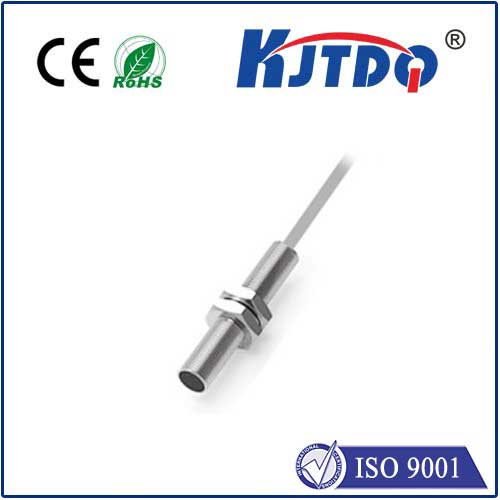
In the highly regulated world of pharmaceutical manufacturing, every component must meet stringent standards of accuracy, reliability, and cleanliness. Among the unsung heroes on the production line is the proximity sensor, a critical device that ensures machinery operates with the precision required for safe and effective drug production. These sensors perform vital non-contact detection tasks, monitoring the position of components, controlling filling levels, and verifying packaging integrity—all without physical touch, thereby minimizing contamination risk and mechanical wear.
The primary function of a proximity sensor in a pharmaceutical machine is to detect the presence or absence of an object within a specific range. In tablet press machines, for instance, these sensors monitor the position of punches and dies, ensuring each tablet is formed with exact weight and dimensions. In automated filling lines for vials or syringes, they precisely control the fill volume by detecting the position of the container or the piston, guaranteeing dosage accuracy down to the microliter. On blister packaging lines, sensors verify that each blister pocket is correctly filled before sealing, preventing costly errors and potential patient safety issues.
Why are proximity sensors uniquely suited for this demanding environment? The answer lies in their inherent design advantages. Being non-contact, they eliminate the risk of particulate generation from mechanical friction, a crucial factor in maintaining the sterile conditions mandated by Good Manufacturing Practices (GMP). They are typically housed in robust, sealed enclosures—often made from stainless steel like 316L—that can withstand rigorous washdown procedures with high-pressure cleaners and harsh chemical sanitizers like CIP (Clean-in-Place) and SIP (Steam-in-Place) systems. This IP69K-rated durability is non-negotiable in facilities where equipment must be frequently and thoroughly cleaned to prevent cross-contamination between batches.
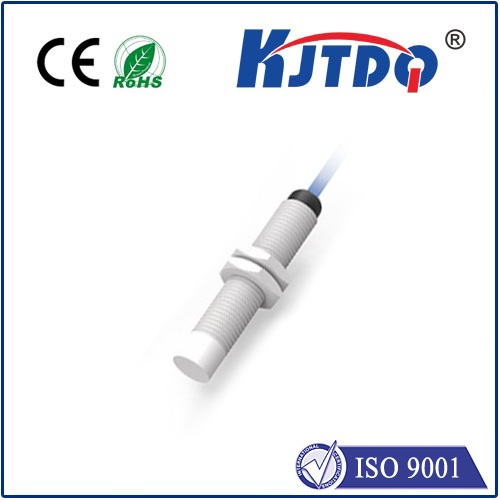
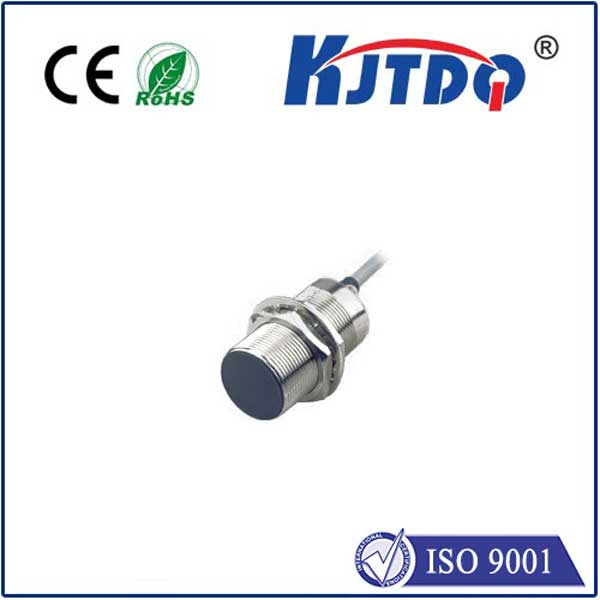
Furthermore, modern inductive and capacitive proximity sensors used in pharma offer exceptional repeatability and switching frequency. This means they provide consistent, reliable signals even in high-speed production environments, such as those producing thousands of units per minute. Their immunity to environmental factors like dust, moisture, and vibration is paramount in the bustling atmosphere of a production floor. Advanced models feature IO-Link communication, enabling not just simple detection but also the transmission of detailed diagnostic data. This allows for predictive maintenance, where potential sensor issues can be flagged before they cause downtime, aligning perfectly with the industry's shift towards Pharma 4.0 and smart manufacturing principles.
Compliance is the cornerstone of pharmaceutical operations. Proximity sensors in this sector are often designed and certified to meet specific industry standards beyond basic electrical safety. Materials in contact with the production area must be compliant with FDA regulations and EU directives, ensuring they are non-toxic, non-absorbent, and corrosion-resistant. The smooth, crevice-free surfaces of sensor housings prevent bacterial harborage and facilitate easy cleaning. When integrated into a machine, their performance contributes directly to the validation of the entire process, a mandatory step to prove that the equipment consistently produces results meeting predetermined specifications.
Selecting the right proximity sensor requires careful consideration. Engineers must evaluate the sensing distance needed, the material of the target object (metal, glass, plastic, or liquid), the required output type (PNP/NPN), and the specific electrical and environmental demands of the application. Collaboration with sensor manufacturers who have proven expertise in the life sciences sector is invaluable. These partners understand the nuances of pharmaceutical applications and can provide sensors that not only perform reliably but also simplify the documentation and validation processes required by regulatory bodies.
From ensuring the precise count of capsules in a bottle to verifying the correct placement of a stopper on a vial, proximity sensors work silently in the background. They are fundamental to achieving the high levels of automation, efficiency, and, most importantly, quality assurance that modern pharmaceutical manufacturing demands. As the industry continues to advance with more personalized medicines and complex biologics, the role of these precise, hygienic, and intelligent sensing devices will only become more critical. They are a key technological investment, safeguarding product integrity, optimizing production throughput, and ultimately, protecting patient health by ensuring every medicine that leaves the facility is produced under the strictest controls.