check

check

check

check
check
check
check
check

check

check
In the high-stakes environment of modern manufacturing, where micron-level precision and uninterrupted operation are paramount, the role of sensors is critical. Among these, the proximity sensor for machine tools stands as a silent guardian, ensuring accuracy, safety, and efficiency. These non-contact detection devices have become indispensable components in Computer Numerical Control (CNC) machining centers, lathes, grinders, and milling machines, fundamentally transforming production workflows.
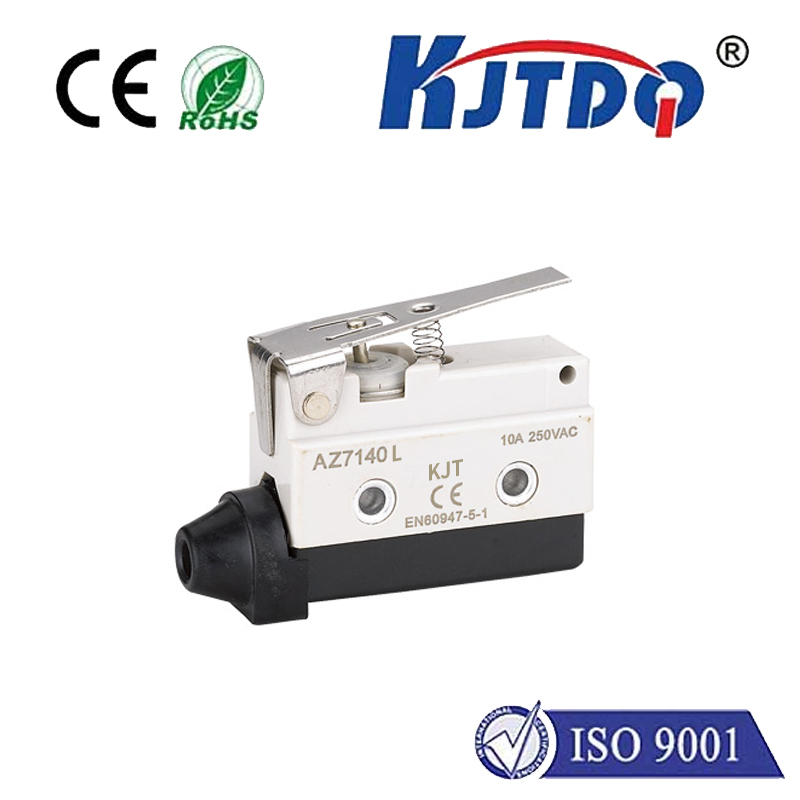
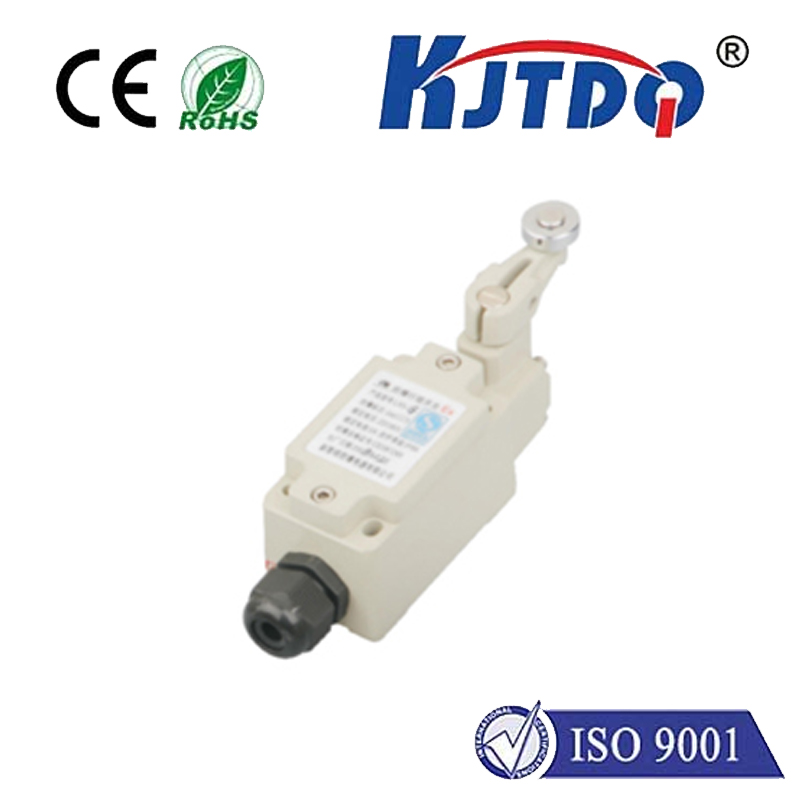
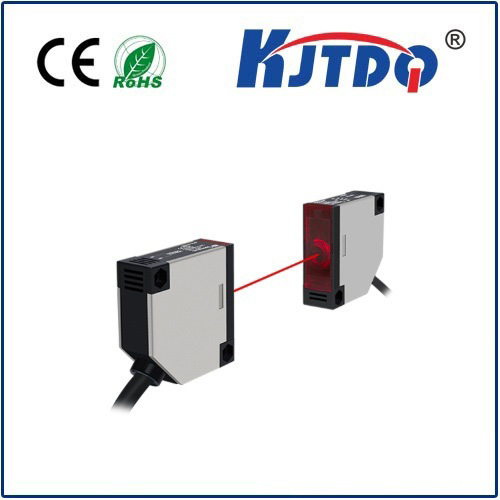
Unlike mechanical limit switches that require physical contact, proximity sensors detect the presence or absence of a target object through electromagnetic fields or electromagnetic radiation. For machine tools, this typically means detecting the position of a tool, a workpiece, a door, or a pallet without any physical touch. This non-contact nature eliminates mechanical wear and tear, leading to significantly longer service life and reduced maintenance costs. The absence of physical force also prevents damage to both the sensor and the delicate components being detected, which is crucial when handling expensive, precision-finished parts.
The core benefit of integrating high-quality proximity sensors into machine tools is the dramatic enhancement of positional accuracy and repeatability. In automated tool changers, for instance, sensors precisely confirm that a tool is fully seated in the spindle or correctly stored in the magazine. This prevents catastrophic collisions or tool drops that could result in hours of downtime and costly repairs. On workpiece pallets, sensors verify precise loading and positioning before a machining cycle begins, ensuring that every cut is made exactly where programmed. This level of verification is essential for achieving tight tolerances and consistent quality across large production runs.
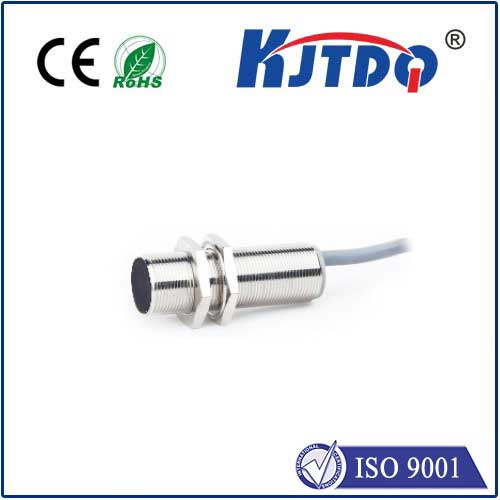
Reliability is another cornerstone. Modern inductive proximity sensors, the most common type for detecting metallic objects in machine tools, are designed to withstand harsh industrial environments. They are resistant to common contaminants like cutting fluids, metal chips, dust, and oil mist. Sealed housings, often rated IP67 or higher, protect internal electronics from ingress, ensuring stable performance even in the demanding conditions of a machine shop. This robustness translates directly to increased machine uptime and productivity, as unscheduled stops for sensor failure become rare.
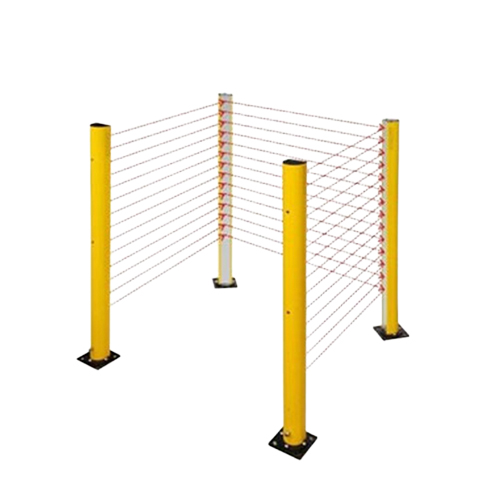
Safety systems heavily rely on these sensors. Door interlock sensors prevent a machine from operating if a safety guard is open, protecting operators from moving parts. Sensors can also monitor coolant levels or chip conveyor operation, triggering alarms or stopping the process if an anomaly is detected, thereby preventing equipment damage. This proactive approach to machine health and operator safety is a key aspect of modern, responsible manufacturing.
The evolution towards Industry 4.0 and smart factories has further elevated the importance of proximity sensors. Modern sensors come with advanced diagnostics and IO-Link communication capabilities. They can transmit not just a simple on/off signal but also detailed parameter data, such as operating temperature, signal strength, or switch cycle counts, to a central control system. This enables predictive maintenance, where potential issues can be identified and addressed before they cause a failure, moving from reactive to proactive asset management.
Selecting the right proximity sensor for a machine tool application requires careful consideration. Factors include the sensing distance required, the material of the target object (ferrous metal, non-ferrous metal, or other materials), the required switching frequency for high-speed applications, the physical size and mounting style, and the environmental rating. Consulting with technical specialists or the sensor manufacturer is often necessary to match the perfect sensor to the specific challenge.
In conclusion, the proximity sensor is far more than a simple switch in a machine tool. It is a fundamental enabler of precision, reliability, safety, and intelligence in manufacturing. As machining processes become faster, more complex, and more automated, the demand for robust, accurate, and connected sensing solutions will only grow. Investing in high-performance proximity sensors is not merely a purchase of components; it is an investment in the seamless, efficient, and competitive future of any machining operation.