check

check

check

check

check

check
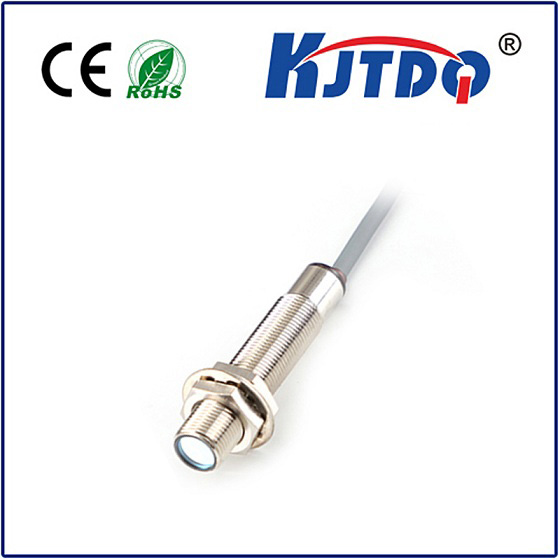
In the realm of industrial automation and machinery control, the reliability of individual components dictates the efficiency and safety of entire systems. Among these critical components, the mechanical plunger switch stands out as a fundamental yet vital device for position detection and limit control. The KJTDQ series of mechanical plunger switches represents a significant advancement in this field, offering robust solutions designed to meet the rigorous demands of modern industrial environments.
A mechanical plunger switch, at its core, is an electromechanical device activated by the physical movement of a plunger or actuator. When an object or machine part presses against this plunger, it triggers an internal mechanism to open or close an electrical circuit. This simple, direct action makes it an exceptionally reliable choice for applications where precise physical positioning needs to be converted into an electrical signal. Common uses include detecting the presence or absence of a workpiece, setting travel limits on automated machinery, ensuring safety doors are closed, and initiating sequential operations in assembly lines.
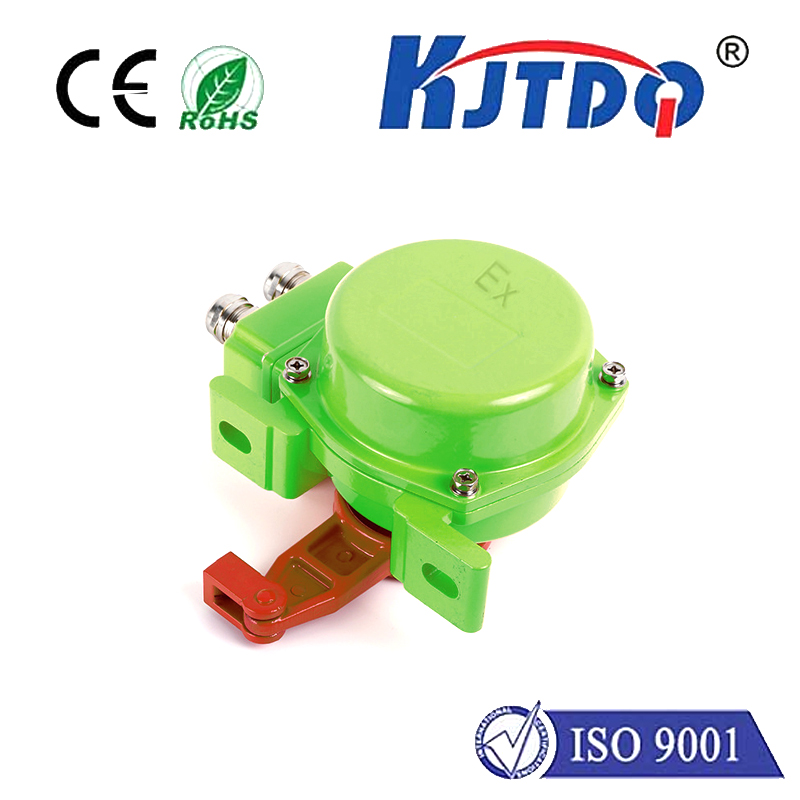
The KJTDQ series elevates this basic functionality through thoughtful engineering and durable construction. These switches are typically housed in rugged metal or high-grade industrial plastic bodies, providing excellent resistance to impact, vibration, and environmental contaminants like dust, oil, and coolants. The internal switching mechanism is designed for a long mechanical life, often rated for millions of operations, which is crucial for high-cycle applications. Many models within the KJTDQ lineup feature a clearly audible click and a tangible tactile feedback upon actuation, allowing operators to confirm operation both audibly and by feel—an important safety and diagnostic feature in noisy plants.
One of the key strengths of the KJTDQ mechanical plunger switch is its versatility in mounting and actuation. They are available with various plunger head shapes (such as roller, ball, or plain) and actuator types to suit different triggering angles and forces. This flexibility ensures they can be seamlessly integrated into diverse machinery layouts. Installation is generally straightforward, with options for standard threaded barrel mounting or bracket mounting, allowing for easy adjustment and alignment during setup and maintenance.
From an electrical standpoint, these switches are compatible with standard control voltages used in industrial control panels. They act as a direct interface between the physical movement on the factory floor and the programmable logic controller (PLC) or relay system. Their simple on/off signal is immune to the electromagnetic interference that can sometimes affect more sophisticated sensor types, guaranteeing consistent performance even in electrically noisy environments. This inherent simplicity also translates to easier troubleshooting; a maintenance technician can quickly diagnose a fault with a basic multimeter.
The application scope for KJTDQ mechanical plunger switches is vast. In the automotive manufacturing sector, they are indispensable for verifying fixture positions in welding robots and confirming part placement in assembly stations. Within packaging machinery, they ensure that products are correctly positioned for sealing, labeling, or boxing. They play a silent but crucial role in material handling, acting as limit switches on conveyor systems to prevent overtravel and potential jams. Their robustness also makes them suitable for harsh environments like metal stamping presses or woodworking equipment, where sawdust and metal shavings are prevalent.
When selecting a mechanical plunger switch for a project, several factors related to the KJTDQ specifications should be considered. The operating force—the amount of pressure required to actuate the plunger—must be appropriate for the application to avoid false triggers or failure to activate. The pretravel and overtravel distances are critical for proper mechanical integration. Environmental sealing, often indicated by an IP (Ingress Protection) rating, is essential for use in washdown areas or outdoor equipment. Finally, the electrical rating, including voltage, current, and contact configuration (normally open or normally closed), must match the control circuit requirements.
In conclusion, while the technology behind a mechanical plunger switch may seem straightforward, its role in ensuring precise, reliable, and safe machine operation cannot be overstated. The KJTDQ series embodies the evolution of this essential component, combining proven mechanical principles with durable modern materials and design. For engineers and system integrators seeking a dependable, easy-to-integrate, and cost-effective solution for position sensing and limit control, the KJTDQ mechanical plunger switch offers a performance-driven answer that keeps production lines running smoothly and safely.