check

check

check

check

check

check
In the rapidly evolving landscape of electronic components, the absence of micro switches has become a notable trend in certain applications, driven by the pursuit of enhanced reliability and simplified design. Micro switches, traditionally valued for their precise actuation and durability, are now being reconsidered in contexts where their mechanical nature may introduce points of failure or complexity. This shift is particularly evident in industries prioritizing minimal maintenance and long-term stability, such as automotive systems, home appliances, and industrial automation.
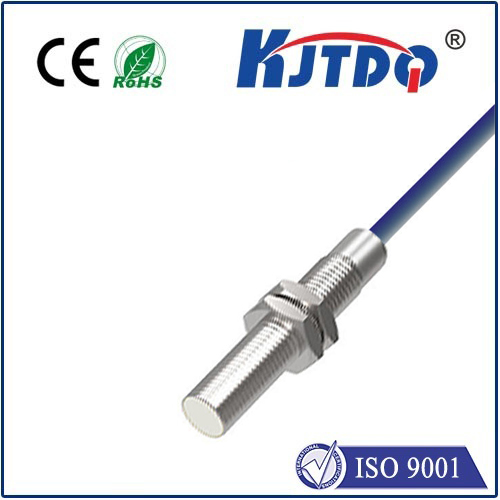
The move away from micro switches often stems from the integration of solid-state alternatives, like Hall effect sensors or capacitive touch interfaces, which offer contactless operation and reduced wear over time. These technologies eliminate physical moving parts, thereby decreasing the risk of mechanical fatigue, corrosion, or contamination that can plague traditional micro switches. For instance, in automotive door locks or seatbelt indicators, non-contact sensors provide smoother, quieter performance while withstanding harsh environmental conditions like dust, moisture, and temperature extremes. This aligns with the growing demand for "no micro switch" solutions that enhance product lifespan and user experience.
Moreover, the design flexibility afforded by omitting micro switches allows engineers to create sleeker, more compact devices. In consumer electronics, such as smart home gadgets or wearable tech, space constraints and aesthetic considerations often favor minimalist approaches. By leveraging digital interfaces or alternative sensing mechanisms, manufacturers can reduce component count, lower assembly costs, and streamline production processes. This not only cuts down on potential failure points but also supports sustainability efforts by minimizing material usage and electronic waste.
However, it's crucial to recognize that no single solution fits all scenarios. Micro switches still hold advantages in applications requiring tactile feedback, high current handling, or cost-effective simplicity—like in basic push-button controls or safety cut-offs. The key is to assess each use case based on factors such as operational environment, expected lifecycle, and user interaction patterns. For projects where durability and low maintenance are paramount, exploring "no micro switch" options can lead to innovative breakthroughs.
Ultimately, the trend toward reducing reliance on micro switches reflects broader advancements in electronics toward smarter, more resilient systems. By embracing alternative technologies, industries can deliver products that are not only more reliable but also better adapted to modern expectations for seamless, maintenance-free operation. As research continues into materials and sensing methods, the future may see even wider adoption of these approaches, reshaping how we think about component selection in electronic design.