check

check

check

check

check

check
In the intricate world of industrial automation and machinery control, precision and reliability are non-negotiable. Among the myriad of components that ensure seamless operation, the stone limit switch stands out as a fundamental yet critical device. Often overlooked, this robust sensor plays a pivotal role in safeguarding equipment and optimizing processes across various industries, from mining and material handling to manufacturing and construction.
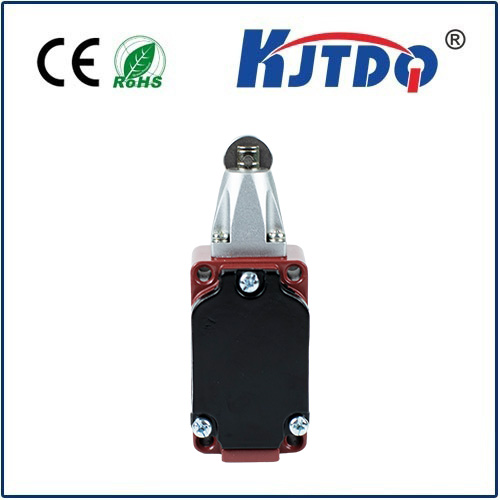
A stone limit switch, at its core, is a type of position sensor. It is designed to detect the presence or absence of an object—typically a stone, metal part, or other solid material—within a specified range. When the target object makes contact with the switch's actuator, it triggers a change in the electrical circuit. This simple action sends a signal to the control system, which can then initiate a predetermined sequence: stopping a conveyor belt, halting a crusher, changing the direction of a motor, or activating an alarm. This function is crucial for preventing equipment damage, avoiding jams, and ensuring the safety of both the machinery and personnel.
The durability of the stone limit switch is one of its most defining characteristics. Unlike standard limit switches that might be used in cleaner environments, these switches are built to withstand harsh conditions. They are commonly housed in rugged, sealed enclosures made from materials like cast iron or heavy-duty plastics, offering resistance to dust, moisture, vibrations, and mechanical impacts. The actuator arm, often a sturdy lever or roller, is engineered to endure repeated contact with abrasive materials like stones and ores without failing. This robust construction ensures longevity and minimal maintenance, even in demanding applications such as quarries, aggregate plants, and heavy machinery.
The operational principle is elegantly straightforward, relying on electromechanical action. Inside the sealed housing, the movement of the actuator arm physically opens or closes a set of electrical contacts. This "hard-wired" physical movement provides a high degree of reliability and a clear, unambiguous signal that is less susceptible to the electrical noise that can sometimes affect purely electronic sensors. This makes stone limit switches exceptionally reliable for critical safety interlocks and basic automation tasks where fail-safe operation is paramount.
Installation and integration of these switches are generally simple. They are typically mounted at strategic points along a production line or on a machine. For instance, on a stone crusher, a limit switch might be positioned to detect when the feed chute is empty or when a jam occurs. On a conveyor system, multiple switches can be used to monitor the position of goods and control the start/stop functions of different belt sections. Their output is usually connected to a Programmable Logic Controller (PLC) or a relay system, forming a vital link in the automated control chain.
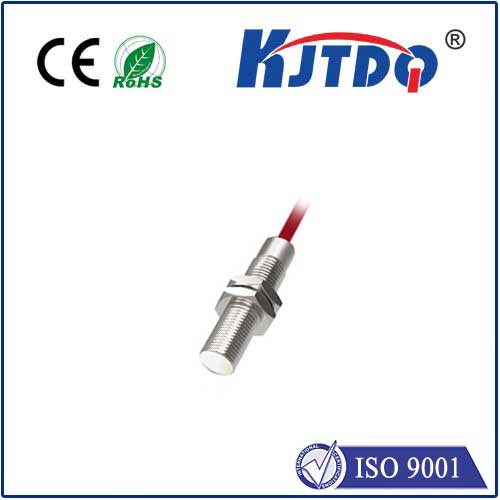
While technology advances with the proliferation of proximity sensors and photoelectric eyes, the stone limit switch remains irreplaceable in many scenarios. Its advantages are clear: it provides direct physical feedback, is highly resistant to environmental extremes, and is often more cost-effective for simple presence detection tasks involving solid objects. It doesn't require a clean environment or precise alignment like some optical sensors, making it ideal for the dirty, rugged realities of handling bulk materials.
In conclusion, the stone limit switch is a testament to the enduring value of simple, robust design in industrial engineering. It is a workhorse component that performs a vital function with unwavering reliability. For engineers and maintenance professionals working with machinery that processes stone, minerals, or other heavy materials, understanding and properly utilizing these switches is key to achieving efficient, safe, and uninterrupted operations. Its role may be discrete, but its impact on productivity and safety is profoundly significant.