check

check

check

check

check

check
In industrial automation and machinery control, precision and reliability are non-negotiable. The KJTDQ HH19ZA150 limit switch stands as a critical component designed to meet these rigorous demands. This device is engineered to detect the presence or absence of an object, or to monitor the position of a machine part, thereby ensuring operational safety and sequence accuracy. Its robust construction allows it to perform consistently in diverse environments, from manufacturing assembly lines to heavy-duty material handling systems.
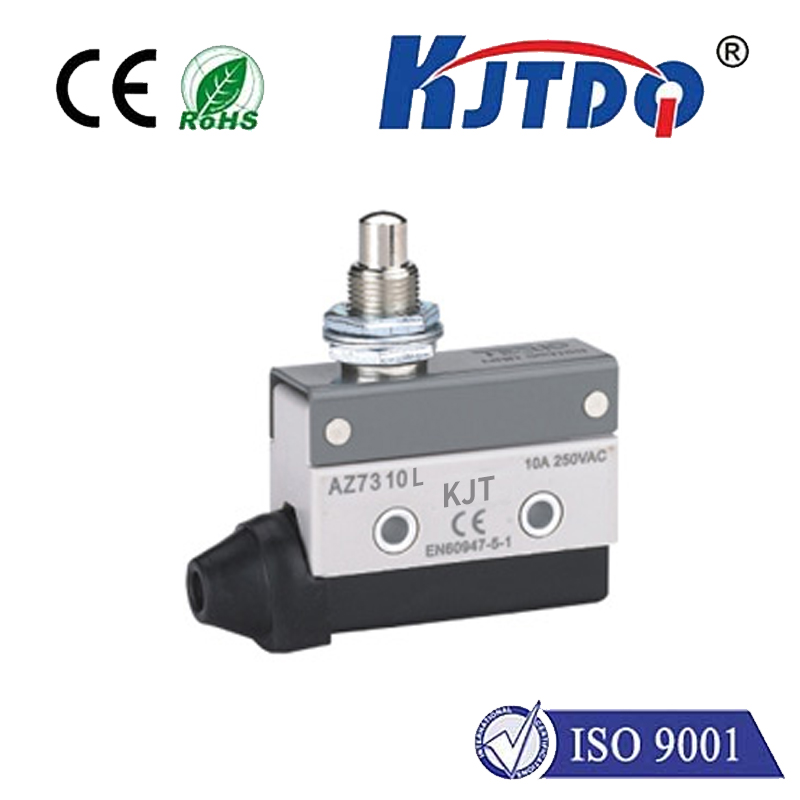
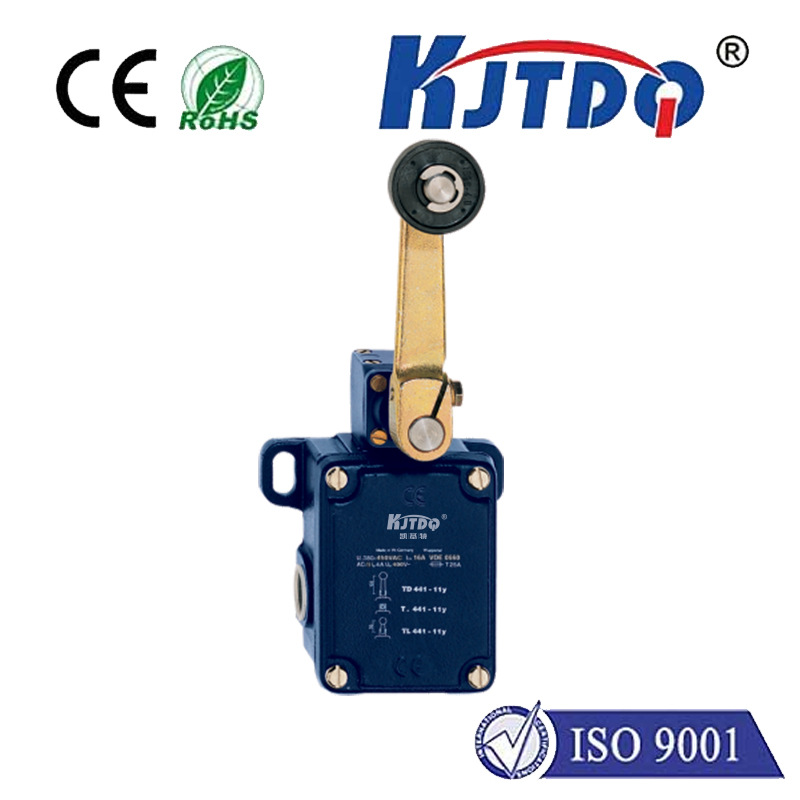
The HH19ZA150 model features a compact yet durable design, typically incorporating a lever actuator that responds to physical contact. When an object triggers the actuator, the internal mechanism changes the state of the electrical contacts—either opening or closing a circuit. This simple yet vital action sends a signal to the control system, which can then initiate, halt, or change a machine's operation. This functionality is fundamental for preventing over-travel, enabling precise positioning, and providing essential interlocks for safety protocols.
One of the key attributes of the KJTDQ HH19ZA150 is its adaptability. It can be configured with various actuator types, such as roller levers, push rods, or whisker styles, to suit specific application needs. The choice of actuator determines the switch's sensitivity and the direction of force required for activation. Furthermore, its housing is often built to withstand common industrial challenges like dust, moisture, vibration, and temperature fluctuations. Many models offer ingress protection ratings, ensuring longevity and reducing maintenance downtime.
Installation and integration of the HH19ZA150 limit switch are straightforward, making it a preferred choice for system integrators and maintenance engineers. It typically connects to programmable logic controllers, relays, or other control devices using standard wiring practices. Proper mounting is crucial; the switch must be aligned correctly to ensure the actuator is engaged at the exact desired point in the machine's cycle. Regular testing and calibration are recommended to maintain peak performance and early fault detection.
Beyond basic limit detection, this switch plays a pivotal role in complex automated processes. For instance, in conveyor systems, it can signal when a product has reached a specific point for sorting or packaging. In automated guided vehicles, it can serve as a homing sensor to define a start position. Its reliability directly impacts overall equipment effectiveness by minimizing unplanned stops and protecting expensive machinery from damage due to mechanical overruns.
Selecting the right limit switch involves considering several factors. The electrical specifications, such as voltage, current rating, and contact configuration, must match the control circuit requirements. The mechanical specifications, including operating force, actuator travel, and repeat accuracy, must align with the physical motion it needs to sense. Environmental conditions dictate the necessary housing material and sealing. The KJTDQ HH19ZA150 is designed with these considerations in mind, offering a balance of performance and durability.
In conclusion, components like the KJTDQ HH19ZA150 limit switch are the unsung heroes of industrial automation. They provide the essential feedback that transforms a collection of moving parts into a coordinated, intelligent, and safe system. By ensuring precise positional control and reliable operation, they contribute significantly to productivity, safety, and the seamless functioning of modern industrial equipment. Their continued evolution, incorporating features like longer life cycles and enhanced environmental resistance, will support the advancement of smarter and more resilient manufacturing ecosystems.