check

check

check

check

check

check
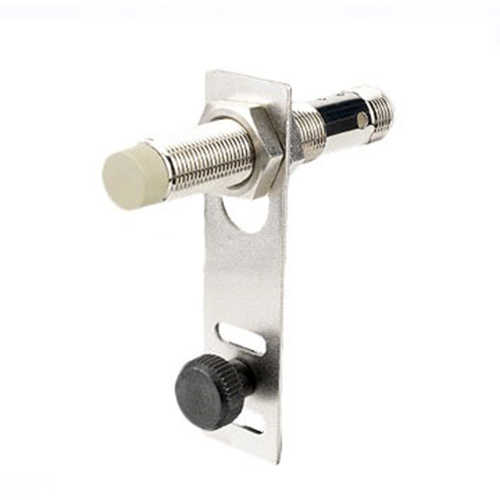
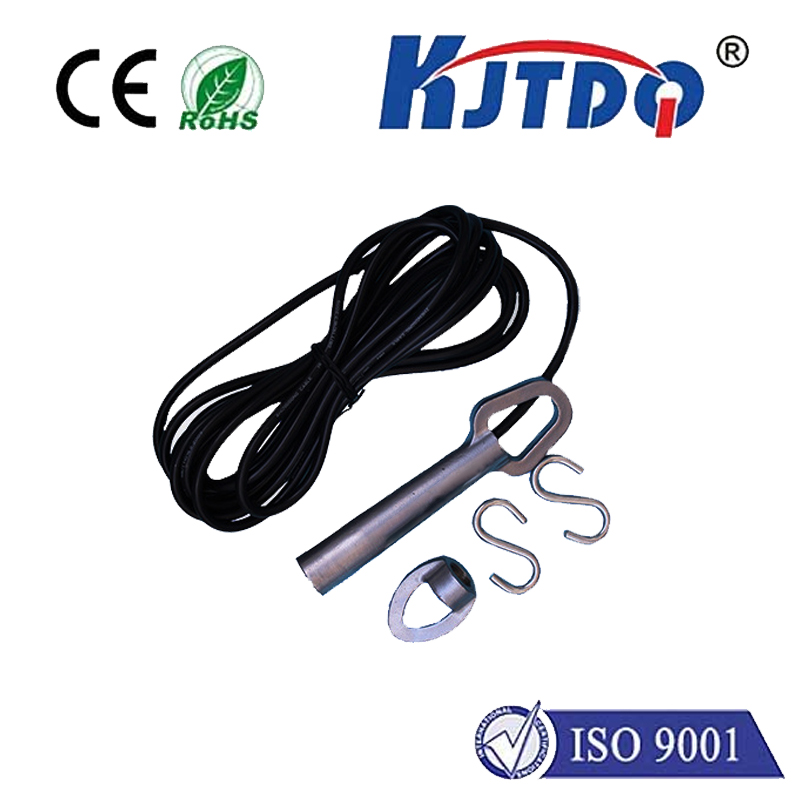
In the dynamic world of industrial automation, precision and reliability are non-negotiable. At the heart of countless motion control systems, from heavy-duty presses to robotic arms, lies a critical yet often understated component: the hydraulic cylinder limit switch. This device is the unsung hero that ensures machinery operates within safe and precise parameters, preventing damage and optimizing performance. Unlike standard mechanical switches, a hydraulic cylinder limit switch is specifically engineered to monitor the linear position of a hydraulic cylinder's piston rod. It provides a definitive electrical signal when the piston reaches a pre-set point in its stroke, triggering a control action such as stopping, reversing, or initiating a subsequent sequence.
The fundamental principle is elegantly straightforward. The switch is mounted externally on the cylinder body. As the piston rod moves, an actuator—often a magnetic collar or a mechanical cam attached to the rod—passes by the switch. This interaction changes the switch's internal state, sending a clean, binary signal (ON/OFF) to the system's Programmable Logic Controller (PLC) or hydraulic valve solenoids. This immediate feedback is crucial for closed-loop control, allowing for real-time adjustments and ensuring repetitive accuracy in high-cycle applications. For instance, in an injection molding machine, these switches precisely control the mold opening and closing positions, directly impacting product quality and cycle time.
The advantages of integrating a high-quality hydraulic cylinder limit switch are manifold. Primarily, they enhance safety by providing hard stops and preventing cylinder over-travel, which can lead to catastrophic seal failure, rod bending, or damage to the load. Secondly, they boost efficiency by enabling precise positioning, eliminating guesswork and manual adjustments. This precision reduces waste, minimizes downtime for recalibration, and increases overall equipment effectiveness (OEE). Furthermore, modern designs offer robust construction, often rated IP67 or higher, making them resistant to water, oil, dust, and vibration—harsh conditions commonplace in industrial environments like steel mills, construction sites, and agricultural machinery.
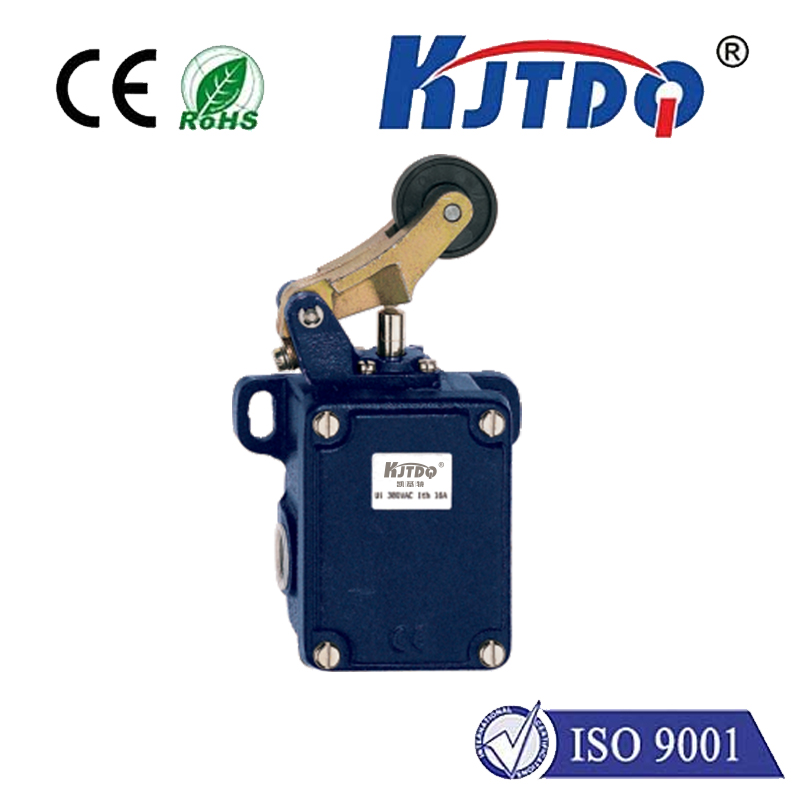
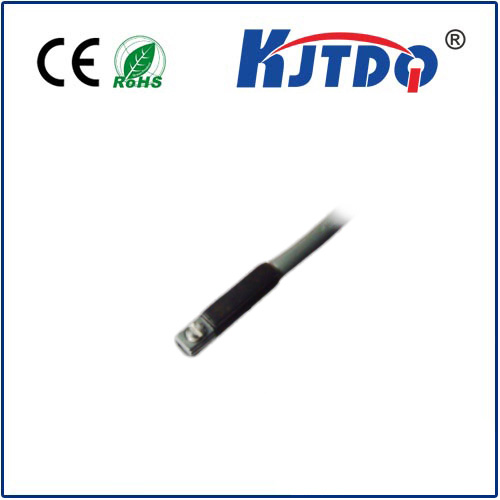
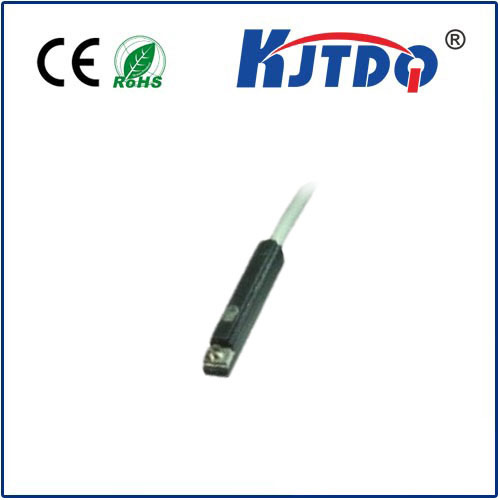
When selecting a hydraulic cylinder limit switch, several key factors demand consideration. The first is the sensing technology. Magnetic reed switches are popular for their non-contact operation, longevity, and resistance to contamination. They work with a permanent magnet actuator on the piston rod. Proximity sensors, another non-contact option, offer similar benefits. Mechanical lever-arm switches provide a cost-effective solution but involve physical contact, which may lead to wear over time. The second factor is environmental rating; the switch must withstand the specific pressures, temperatures, and fluid exposures of its application. Electrical specifications, such as voltage, current rating, and output type (PNP/NPN), must seamlessly integrate with the existing control architecture. Finally, ease of installation and adjustment is vital for maintenance and setup flexibility.
Looking ahead, the role of the hydraulic cylinder limit switch is evolving alongside Industry 4.0 trends. While traditional discrete switches remain essential, there is growing integration with analog position sensors and IoT-enabled devices. These advanced systems don't just signal an endpoint; they provide continuous position feedback, enabling predictive maintenance analytics and more sophisticated motion profiles. However, the fundamental hydraulic cylinder limit switch remains a cornerstone due to its simplicity, cost-effectiveness, and proven reliability. For engineers and maintenance professionals, understanding its function and proper selection is paramount. Regular inspection for physical damage, secure mounting, and clean actuator surfaces are simple yet effective practices to ensure uninterrupted operation and safeguard valuable industrial assets. In essence, this component transforms raw hydraulic power into controlled, intelligent motion, making it indispensable for modern automated systems.