check

check

check

check

check

check
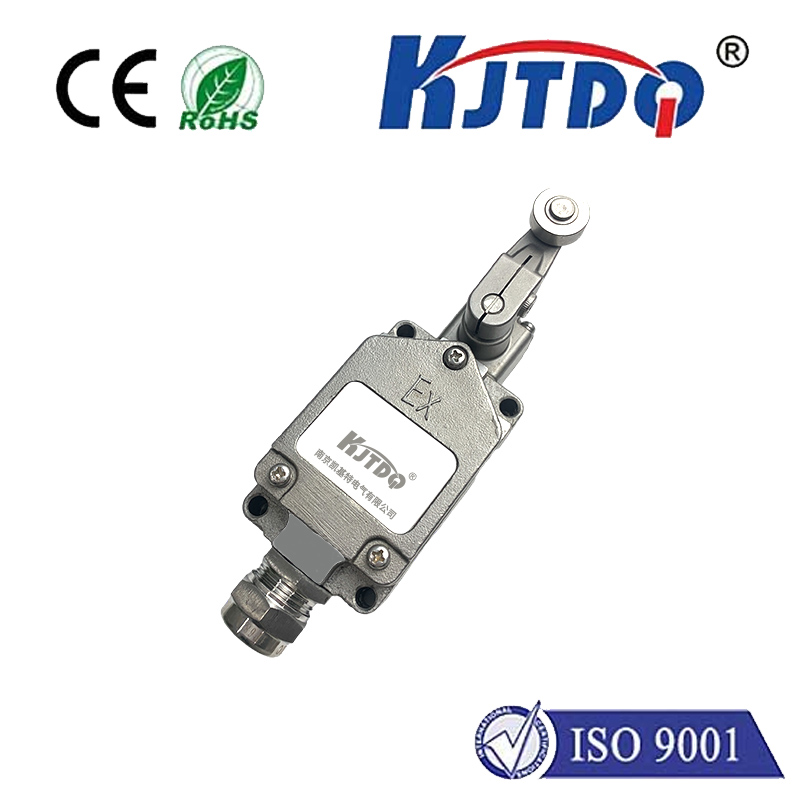
In the realm of industrial automation, where precision and reliability are non-negotiable, the Gemu limit switch stands as a critical component for motion control and position sensing. These robust devices are engineered to detect the presence or absence of an object, or to monitor the position of machinery, thereby triggering a control action within a system. The fundamental operation involves a mechanical actuator, which, when moved by a target, changes the state of electrical contacts inside the switch. This simple yet effective mechanism makes limit switches indispensable in applications ranging from conveyor systems and CNC machines to robotic arms and safety interlocks.
The design and construction of Gemu limit switches prioritize durability and environmental resistance. Housed in sturdy materials such as stainless steel or high-grade plastics, they are built to withstand harsh conditions including dust, moisture, extreme temperatures, and corrosive atmospheres. This resilience ensures consistent performance in demanding industrial settings, minimizing downtime and maintenance costs. Many models feature sealed enclosures with high IP ratings, protecting internal components from ingress and ensuring long-term operational integrity.
One of the key advantages of utilizing a Gemu limit switch is its straightforward integration into existing control systems. These switches typically offer various actuator types—including roller lever, plunger, and whisker styles—to suit different mechanical interactions and spatial constraints. Electrical configurations, such as normally open or normally closed contacts, provide flexibility for diverse circuit designs. This adaptability allows engineers to implement precise limit detection without extensive system overhauls, facilitating efficient machine setup and process optimization.
Safety is another paramount consideration addressed by these devices. In automated machinery, limit switches often serve as critical safety components by halting equipment when a moving part reaches an unsafe position or when a guard door is opened. This function helps prevent accidents, protect equipment from damage, and ensure compliance with industrial safety standards. The reliable switching action of a Gemu limit switch provides a fail-safe mechanism that is both mechanical and electrical, offering a layer of security that purely electronic sensors may not always guarantee.
Furthermore, the application of Gemu limit switches extends to enhancing process accuracy. In packaging lines, for instance, they ensure products are correctly positioned for labeling or sealing. In material handling, they control the travel of cranes and hoists. Their ability to provide a definitive physical signal at a specific location eliminates the drift or interference issues that can affect proximity sensors, delivering repeatable and accurate positioning feedback. This precision is crucial for maintaining product quality and optimizing production throughput.
Maintenance and troubleshooting of these switches are generally uncomplicated. Their mechanical nature allows for visual and tactile inspection, and their electrical output can be easily measured with standard tools. Regular checks for actuator wear, proper alignment, and secure mounting can preempt failures. When replacement is necessary, the modular design of many Gemu limit switches enables quick swap-outs, reducing machine idle time. This serviceability contributes significantly to overall system reliability and cost-effectiveness.
In conclusion, the Gemu limit switch remains a foundational element in automated systems worldwide. Its combination of mechanical simplicity, environmental robustness, and reliable performance makes it a trusted choice for engineers seeking to implement effective motion control and safety measures. As industries continue to advance towards smarter and more interconnected operations, the fundamental role of dependable limit switches like those from Gemu in ensuring precise, safe, and efficient machinery operation is likely to endure, forming a reliable backbone for both conventional and emerging industrial applications.