check

check

check

check

check

check
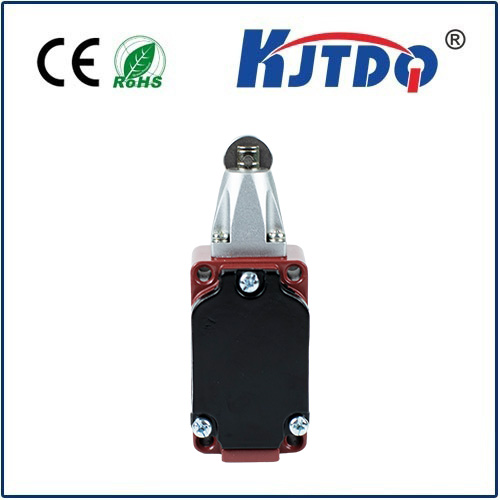
In the dynamic world of construction and heavy lifting, mobile cranes stand as indispensable tools, enabling the movement of massive loads with precision. However, the operational safety and efficiency of these cranes heavily rely on advanced control mechanisms, among which the limit switch plays a pivotal role. Specifically designed for mobile cranes, limit switches serve as critical safety devices that prevent over-travel of crane components, such as the boom, hoist, or trolley, thereby mitigating risks of accidents, equipment damage, and costly downtime.
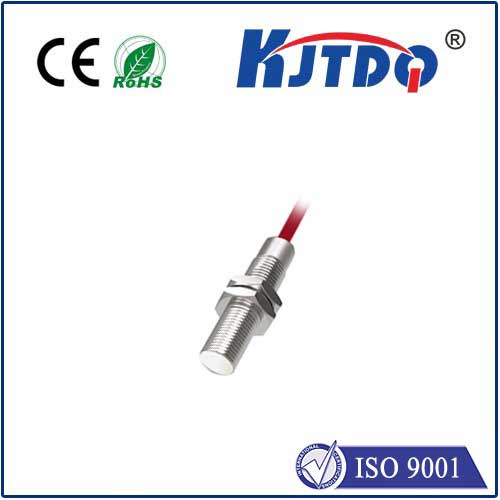
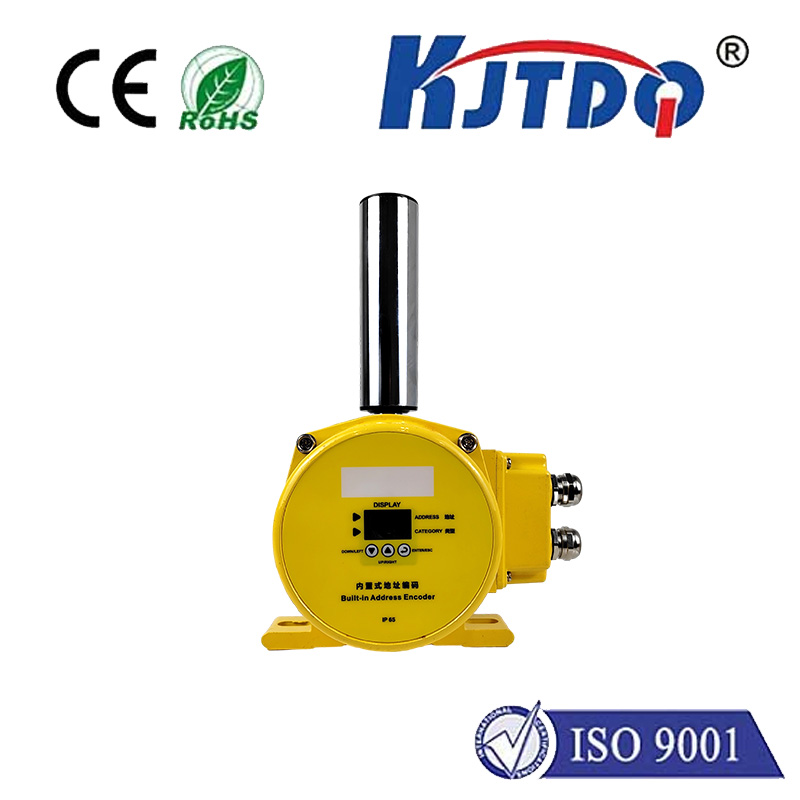
The KJTDQ mobile crane limit switch exemplifies innovation in this domain, integrating robust engineering with user-centric features. These switches are engineered to withstand harsh environmental conditions, including extreme temperatures, moisture, and vibrations commonly encountered on construction sites. By automatically cutting off power or triggering alarms when preset limits are reached, they ensure that crane operations remain within safe parameters. This not only protects the machinery from wear and tear but also safeguards operators and on-site personnel from potential hazards.
One key advantage of the KJTDQ limit switch is its adaptability to various crane models and configurations. Whether installed on telescopic booms, lattice booms, or crawler cranes, these switches offer customizable settings to match specific operational needs. Their installation is streamlined, often requiring minimal modifications to existing crane systems, which reduces setup time and maintenance costs. Additionally, with features like high durability and low maintenance requirements, KJTDQ switches contribute to long-term cost savings by minimizing unplanned repairs and extending equipment lifespan.
Beyond safety, the integration of limit switches enhances operational efficiency. By preventing overextension or over-lowering, they help maintain optimal crane performance, reducing cycle times and improving productivity on job sites. For instance, in logistics yards or port terminals where cranes handle containers repetitively, precise limit control ensures smooth and swift movements, boosting throughput. The KJTDQ models often incorporate feedback mechanisms that provide real-time data to crane operators, enabling proactive adjustments and fostering a culture of preventive maintenance.
Industry standards and regulations, such as those set by OSHA or ISO, increasingly mandate the use of reliable limit switches in crane operations. Compliance with these standards is not just a legal obligation but a moral imperative to uphold workplace safety. KJTDQ limit switches are designed to meet or exceed these stringent requirements, featuring certifications that attest to their quality and reliability. This compliance helps companies avoid fines, legal liabilities, and reputational damage, while demonstrating a commitment to best practices.
In practice, the implementation of KJTDQ mobile crane limit switches has yielded tangible benefits across sectors. From urban construction projects to industrial manufacturing plants, users report fewer incidents of mechanical failures and enhanced control over lifting operations. Testimonials highlight how these switches have averted potential disasters, such as collisions with structures or overload scenarios, by providing fail-safe interventions. As technology evolves, future iterations may include smart sensors and IoT connectivity, allowing for remote monitoring and predictive analytics, further revolutionizing crane safety.
Ultimately, investing in high-quality limit switches like those from KJTDQ is a strategic decision for any organization relying on mobile cranes. It translates into reduced operational risks, lower insurance premiums, and improved project timelines. By prioritizing safety through advanced limit switch solutions, companies can foster a safer work environment, boost employee morale, and achieve sustainable growth in competitive markets.