check

check

check

check

check

check
For any RV owner, the comfort of a warm and functional living space during chilly adventures is non-negotiable. At the heart of this comfort lies the RV furnace, a complex system where precision and reliability are paramount. Among its critical components, the Atwood 8531 IV DCLP limit switch stands out as a small yet indispensable guardian of both safety and performance. This guide delves deep into the function, importance, and maintenance of this specific component, providing essential knowledge for every RV enthusiast.
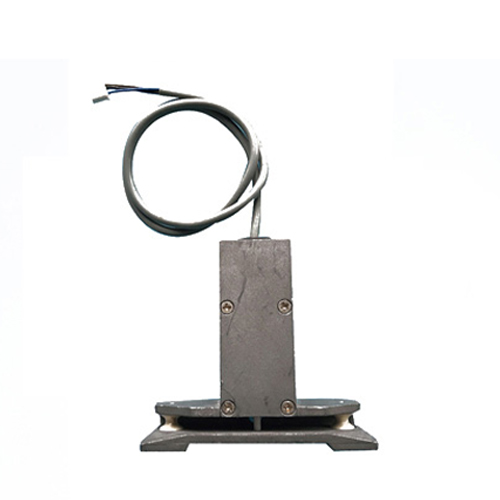
The Atwood 8531 IV DCLP is a dual-function limit switch designed specifically for Atwood RV furnaces. The acronym "DCLP" stands for "Dual Control Limit Switch," which perfectly describes its role. It incorporates two separate safety sensors in one unit: a limit switch and a fan switch. The primary role of the limit switch is to monitor the heat exchanger's temperature. If the temperature rises to an unsafe level—a situation that could occur due to restricted airflow, a dirty filter, or other malfunctions—the limit switch acts immediately. It interrupts the electrical circuit to the gas valve, shutting off the furnace's burner to prevent overheating and potential damage or fire hazard. This is a pure safety function, a critical fail-safe.
Simultaneously, the fan control side of the switch manages the furnace's blower fan. It keeps the fan off when the furnace is initially firing up, allowing the heat exchanger to warm up. Once the exchanger reaches an optimal operating temperature, the fan switch closes, activating the blower to circulate warm air throughout the RV. After the thermostat is satisfied and the burner shuts off, the fan switch keeps the blower running for a predetermined period to expel residual heat from the exchanger, improving efficiency and component longevity.
Why is the specific Atwood 8531 IV model so crucial? Its design and calibration are tailored to the thermal dynamics of Atwood furnaces. Using an incorrect or generic limit switch can lead to improper cycling—causing short cycling (furnace turning on and off too rapidly), insufficient heating, or, more dangerously, a failure to trip during an overheat condition. Symptoms of a failing 8531 IV DCLP switch are often clear: the furnace may fire up but shut off before delivering heat (limit switch tripping prematurely), the blower fan may not turn on or may run continuously, or the furnace may refuse to ignite at all.
Troubleshooting and replacing this switch is a common task for RV owners with basic technical skills. Before assuming the switch is faulty, always check for the most common issues that cause it to trip: ensure all air intake and exhaust vents are completely unobstructed, replace a dirty air filter, and verify that all ductwork is open and unblocked. If these are clear and problems persist, testing the switch with a multimeter for continuity at different temperatures can confirm its failure.
Replacement is straightforward. Always disconnect 12V DC and LP gas supply to the furnace before starting. The switch is typically located on the furnace's main assembly, accessible by removing the exterior access panel. After noting the wiring configuration, carefully disconnect the spade terminals, remove the mounting screws, and install the new, genuine Atwood 8531 IV DCLP limit switch. Reconnect the wires precisely as they were, restore power and gas, and test the furnace operation through a complete cycle.
Investing in an authentic Atwood 8531 IV DCLP limit switch is investing in safety and reliability. This component is not an area for compromise with cheaper alternatives. Its precise calibration ensures your furnace operates efficiently, provides consistent heat, and most importantly, protects your RV and your family from the risks of overheating. Regular inspection of your furnace system, coupled with prompt attention to any operational irregularities, will ensure this small switch continues to perform its mighty duty for countless miles and memories on the open road. Understanding and maintaining it empowers you as an RV owner, turning potential roadside headaches into simple, manageable maintenance tasks.