check

check

check

check

check

check
In the world of industrial automation, precision and reliability are non-negotiable. Among the myriad of components that keep modern machinery running smoothly, the column photoelectric switch sensor stands out for its critical role in non-contact detection. Specifically, the E3F series has become a benchmark in the industry, offering unparalleled performance in diverse applications. This guide delves into the features, benefits, and practical uses of the column photoelectric switch sensor E3F, providing insights for engineers and technicians seeking to optimize their systems.
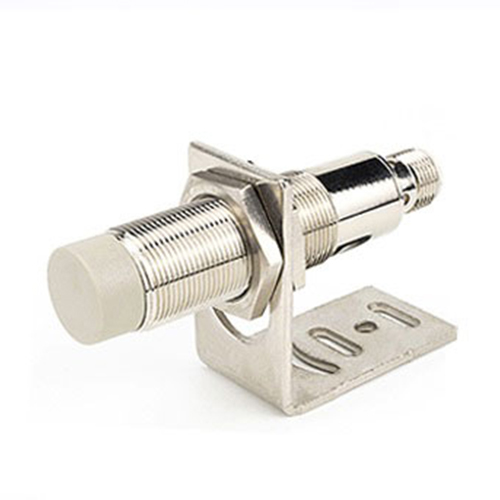
Column photoelectric switch sensors, such as the E3F model, operate on a simple yet effective principle. They emit a beam of light—typically infrared or visible—from a transmitter to a receiver. When an object interrupts this beam, the sensor detects the change and triggers a response, such as activating a machine or signaling a control system. The "column" design refers to the sensor's housing, which is often cylindrical, making it robust and easy to install in tight spaces. This form factor is ideal for environments where space constraints are a concern, without compromising on durability.
The E3F series is renowned for its high precision and versatility. These sensors come in various configurations, including through-beam, retro-reflective, and diffuse reflective types, each suited for different detection needs. Through-beam sensors, for instance, offer the longest sensing distances and are perfect for detecting opaque objects on conveyor belts. Retro-reflective models use a reflector to bounce the light back, making them efficient for clear object detection. Diffuse reflective sensors, on the other hand, rely on the object itself to reflect light, ideal for close-range applications. With sensing ranges that can extend up to several meters, the E3F ensures accurate detection even in challenging conditions.
One of the standout features of the column photoelectric switch sensor E3F is its resilience in harsh environments. Built to withstand dust, moisture, and temperature fluctuations, these sensors are commonly used in manufacturing plants, packaging lines, and automotive assembly units. The housing is typically made from materials like stainless steel or rugged plastics, providing resistance to corrosion and mechanical stress. Additionally, many E3F models feature IP67 or higher ingress protection ratings, meaning they are dust-tight and can withstand temporary immersion in water. This makes them a reliable choice for outdoor or washdown applications.
Installation and maintenance of the E3F sensor are straightforward, thanks to its user-friendly design. Most models include LED indicators for easy status monitoring, allowing technicians to quickly diagnose issues without extensive downtime. The sensors also support various output options, such as NPN or PNP transistors, and can be integrated with PLCs (Programmable Logic Controllers) and other control systems seamlessly. For those dealing with high-speed operations, the E3F offers fast response times, often in the millisecond range, ensuring real-time detection and minimal lag in production cycles.
In practical terms, the column photoelectric switch sensor E3F finds applications across multiple industries. In logistics, it is used to count packages on sorting lines, preventing jams and optimizing throughput. In the food and beverage sector, these sensors ensure proper filling levels by detecting bottles or containers on production lines. Automotive manufacturers rely on them for part positioning and safety interlocks, while in pharmaceuticals, they help maintain sterile conditions by monitoring equipment movements. The adaptability of the E3F series means it can be customized with different lens types or light sources to suit specific needs, such as detecting transparent materials or operating in low-light areas.
When selecting a column photoelectric switch sensor, factors like sensing distance, object material, and environmental conditions must be considered. The E3F series addresses these with a wide range of models, each engineered for optimal performance. For example, sensors with background suppression are available to ignore distant objects, focusing only on the target area. Others come with adjustable sensitivity, allowing fine-tuning for varying object sizes or colors. By consulting technical datasheets and manufacturer guidelines, users can choose the right E3F variant to enhance their system's efficiency.
In conclusion, the column photoelectric switch sensor E3F represents a fusion of innovation and practicality in industrial sensing. Its robust construction, precise detection capabilities, and versatility make it a go-to solution for automation challenges. As industries continue to evolve toward smarter, more connected systems, sensors like the E3F will play a pivotal role in driving productivity and safety. Whether you are upgrading an existing setup or designing a new one, incorporating this sensor can lead to significant improvements in operational reliability.