check

check

check

check

check

check
In modern industrial automation, the detection of plastic bags presents unique challenges that demand precision, reliability, and speed. Traditional methods often fall short when dealing with transparent, crinkled, or variably positioned packaging materials. This is where advanced photoelectric sensor technology, specifically the KJTDQ series, becomes a transformative solution for manufacturers and packaging lines worldwide.
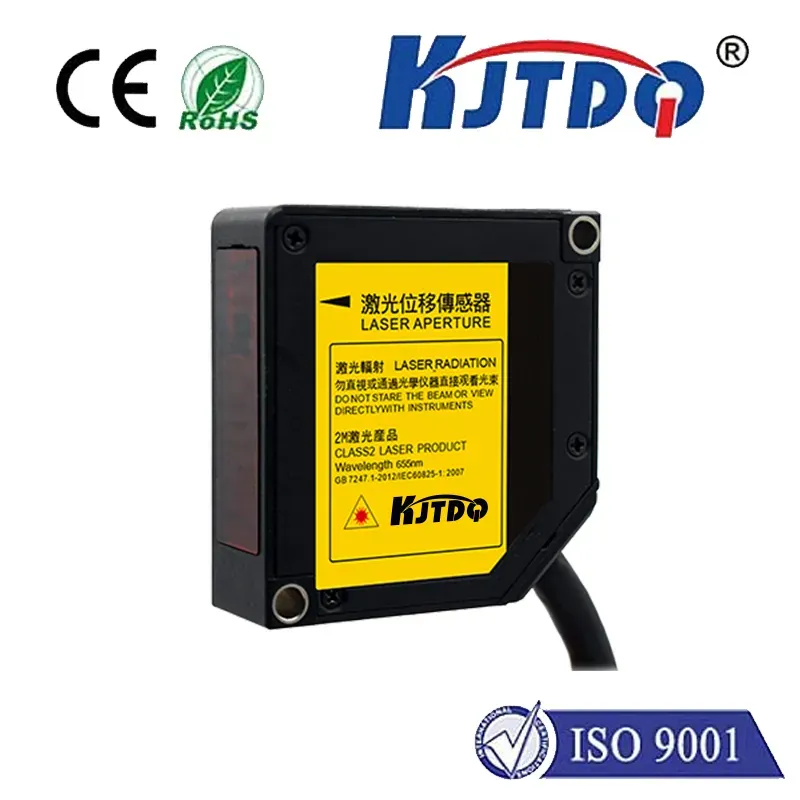
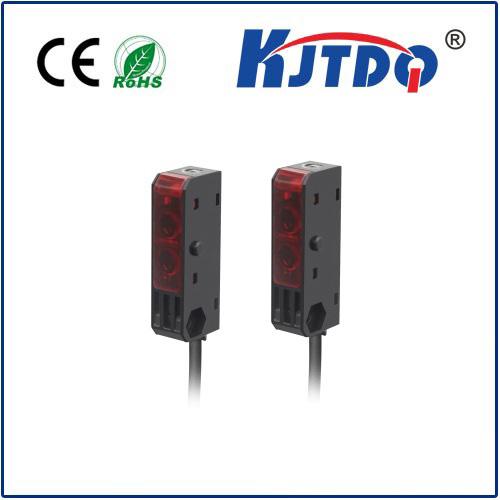
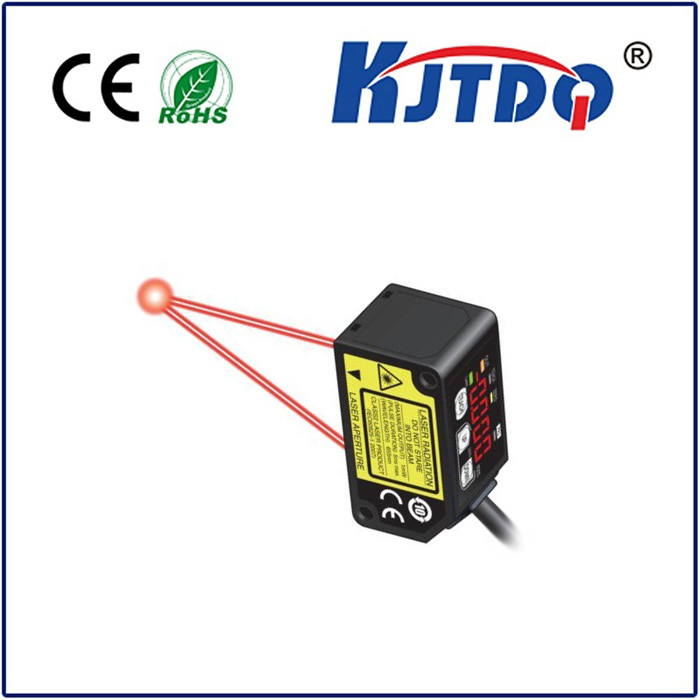
Photoelectric sensors operate by emitting a light beam—typically infrared, visible red, or laser—and detecting changes in the received light. For plastic bag detection, the sensor must reliably identify the presence, absence, or position of bags on conveyor belts, in sealing machines, or during counting and sorting processes. The KJTDQ series excels in this domain due to its sophisticated modulation technology and high-resolution receiving elements. Unlike mechanical or capacitive sensors, it makes no physical contact, eliminating product damage and wear, while maintaining consistent performance even in environments with dust or minor vibrations.
One of the primary difficulties with plastic bags is their transparency. Standard sensors may fail to register clear polyethylene or polypropylene bags, leading to production errors. The KJTDQ photoelectric sensor addresses this through its precise background suppression function. By carefully calibrating the sensing distance and beam focus, it can distinguish between the bag and the conveyor background with exceptional accuracy. This is crucial for applications like ensuring a single bag is fed into a sealing machine or verifying that a bag is properly positioned before filling.
Another common issue is the inconsistent surface of plastic bags. Wrinkles, folds, or printed patterns can scatter light, causing unreliable detection. The KJTDQ models incorporate advanced algorithms and stable light source modulation to minimize these interferences. Their robust design ensures a stable output signal regardless of surface texture, which is vital for high-speed packaging lines where every millisecond counts. For colored or printed bags, the sensor's adjustable sensitivity allows operators to fine-tune the detection threshold, ensuring it triggers only for the intended target.
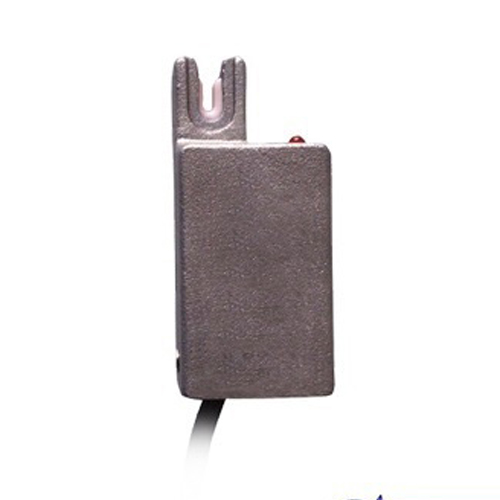
Integration into existing systems is straightforward. The KJTDQ photoelectric sensor typically features compact housing, multiple output options (like NPN/PNP), and easy mounting configurations. In a typical plastic bag manufacturing plant, these sensors might be deployed at multiple checkpoints: detecting the unwind of plastic film from a roll, verifying the cut length of bags, inspecting for holes or defects, and confirming the sealed edge integrity. Each step benefits from the sensor's rapid response time, which can reach microseconds, thereby supporting line speeds that meet demanding production targets.
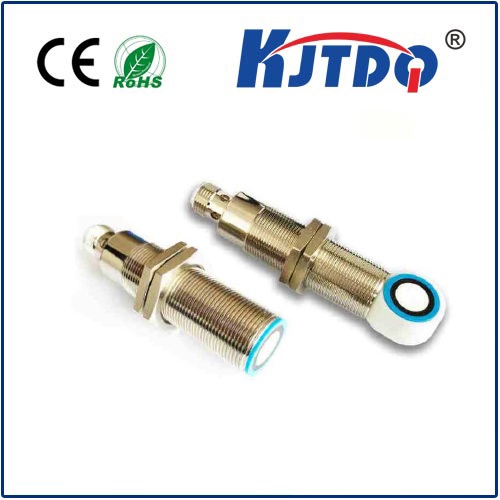
Energy efficiency and durability are additional advantages. With LED-based light sources, the KJTDQ sensors consume minimal power and have long operational lifespans, reducing maintenance downtime. Their housings are often rated IP67 or higher, making them resistant to water and dust ingress—a common requirement in industrial settings where cleaning processes or ambient particulates are present.
Case studies from packaging facilities show measurable improvements after installing KJTDQ photoelectric sensors. One beverage packaging line reported a 30% reduction in misaligned bag incidents, leading to less material waste and higher overall equipment effectiveness (OEE). Another facility producing retail plastic bags achieved near-perfect count accuracy during batching, enhancing inventory control and customer satisfaction.
Ultimately, the choice of sensor technology directly impacts productivity and quality. For plastic bag handling—whether in creation, filling, or sealing—the KJTDQ photoelectric sensor offers a reliable, non-contact solution that adapts to various bag types and challenging conditions. Its precision ensures that operations run smoothly, errors are minimized, and throughput is maximized, making it an indispensable component in the smart factory ecosystem. As industries continue to automate, such specialized sensors will play an increasingly critical role in achieving seamless, efficient, and cost-effective production.