check

check

check

check
check
check
check
check

check
check
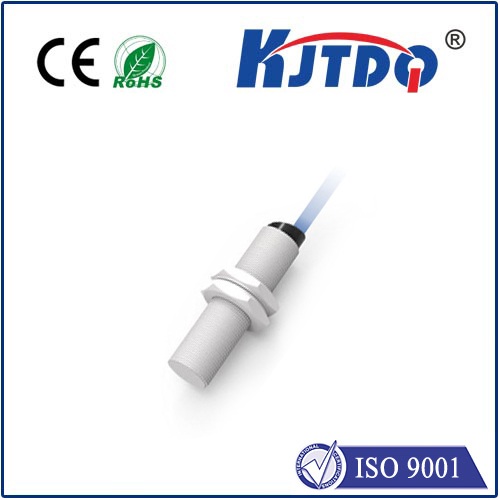
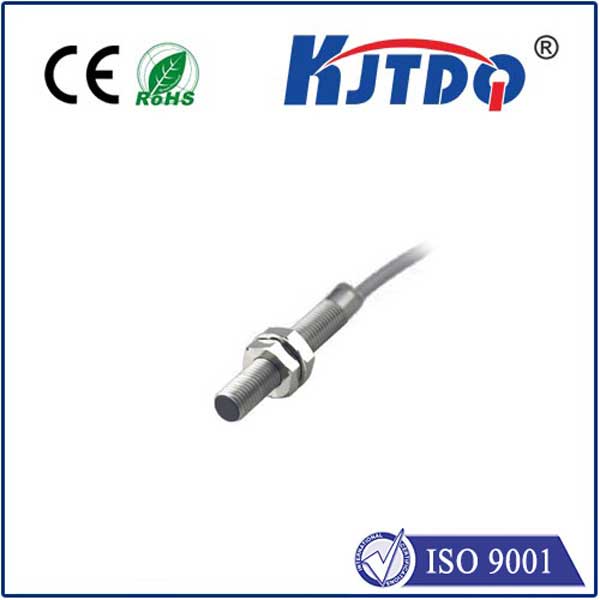
Understanding Flush and Non-Flush Sensors: A Comprehensive Guide In the ever-evolving landscape of technology, sensors have become integral components in various applications, ranging from industrial automation to consumer electronics. Among these sensors, flush and non-flush types stand out for their unique designs and functionalities. This article delves into the differences, advantages, and applications of flush and non-flush sensors, helping you make informed decisions based on your specific needs. What are Flush Sensors? Flush sensors are designed to sit flush with the surface of the object they are monitoring. This design minimizes protrusion, which can be crucial when aesthetic appeal or space constraints are significant factors. These sensors often feature a sleek, flat profile that blends seamlessly with the surrounding surface, making them ideal for applications where the sensor’s visibility might be an issue. One primary advantage of flush sensors is their resistance to damage or contamination. Since they sit flush with the surface, there are no exposed parts that can easily be tampered with or collect dirt and debris. This makes them particularly suitable for harsh environments or applications requiring high hygiene standards. Applications of Flush Sensors