

check

check

check

check

check
check
check
check
check
check
The OFH-A1C3 fiber-optic hot metal detector separates passive optical sensing optics from electronic amplification circuitry, enabling reliable metal detection in extreme heat zones. Utilizing flexible armored fiber-optic light guides, the compact optical head mounts directly inside tight caster pockets and furnace entries. KJT Sensors manufactures the OFH-A1C3 to ensure continuous optical transmission in space-constrained mill locations.
Certain metallurgical sensing points—such as continuous caster mold exits, hot shear blades, and induction furnace charging chutes—generate localized temperatures exceeding 200°C. Electronic components mounted directly in these locations suffer premature semiconductor failure.
The OFH-A1C3 solves this limitation by dividing the sensor into two distinct parts: an entirely passive optical sensing head and a remotely located amplifier module. The sensing head contains only quartz lenses and optical glass fibers, tolerating intense thermal radiation without electrical degradation.
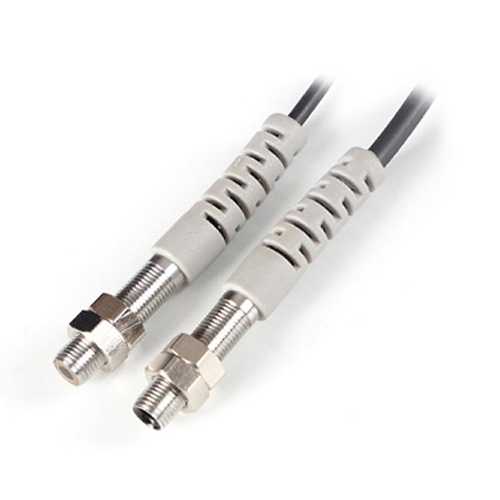
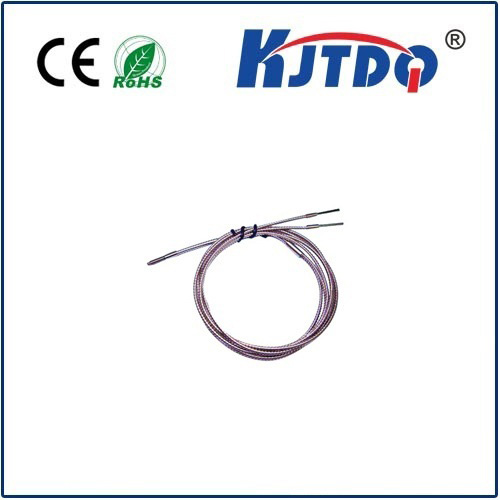
Radiation collected by the front objective lens enters a bundle of high-purity optical fibers sheathed inside flexible stainless steel armor and silicone conduit. This armored cable routes radiant infrared light around machine framework to a cooler location.
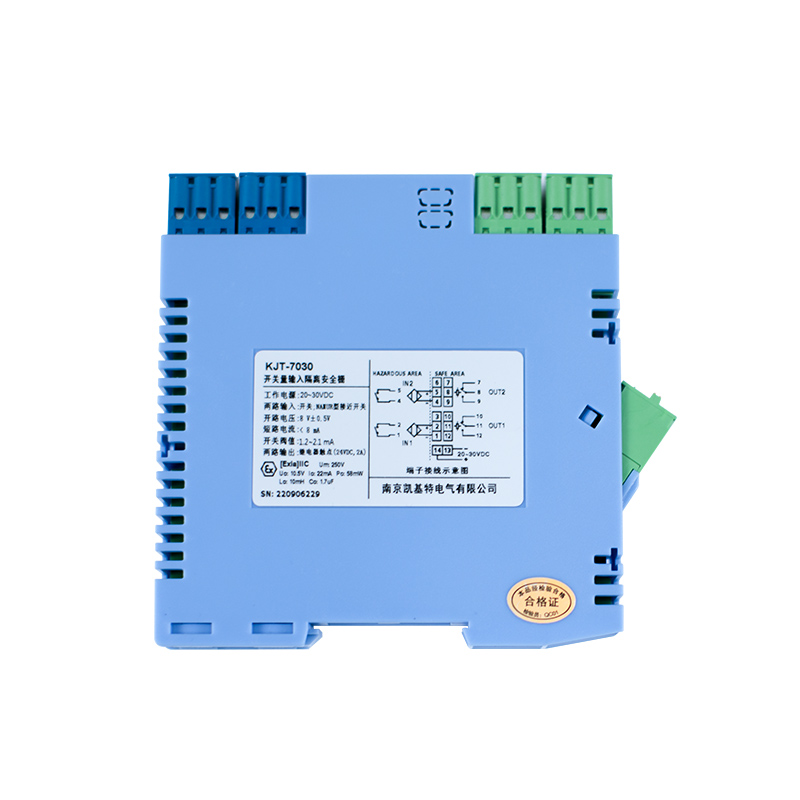
The amplifier unit mounts safely on a DIN rail inside a climate-controlled electrical junction box or remote cabinet up to several meters away, converting the transmitted optical energy into solid-state switching signals under ideal ambient conditions.
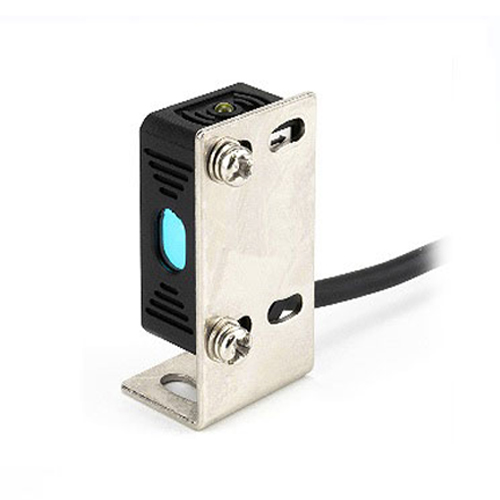
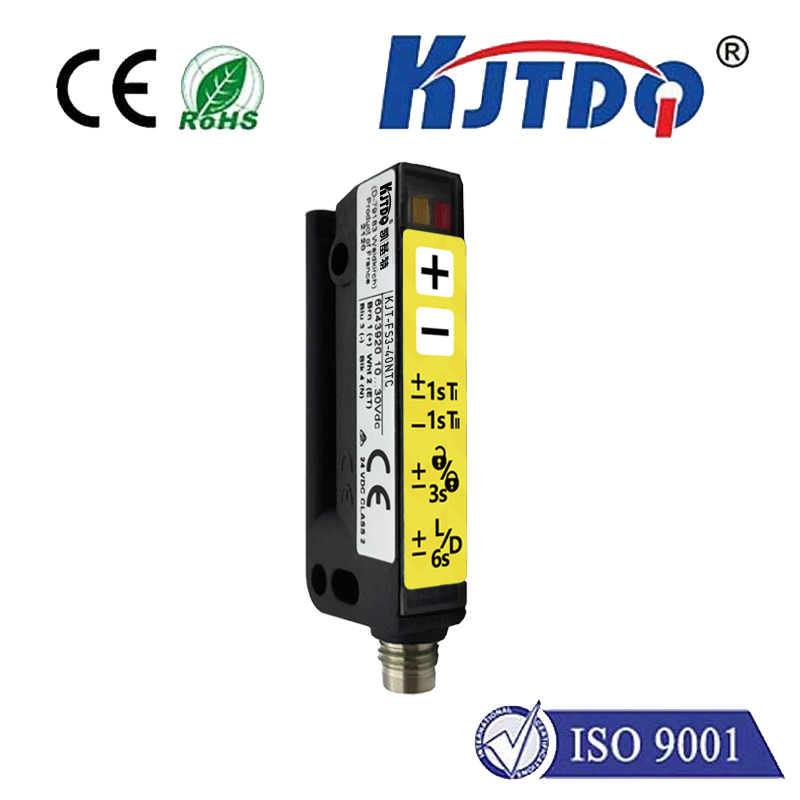
The optical sensing head of the OFH-A1C3 is remarkably compact, featuring cylindrical threaded barrels or slim rectangular profiles that fit into clearances of only a few centimeters.
Tooling engineers can embed the sensing head directly into machine casting pockets, water spray boxes, or between mechanical roller bearings where standard bulky sensor housings would physically collide with moving equipment.
Industrial fiber cables in steel plants face continuous hazards from falling scale, mechanical snagging, and hot water spray. The OFH-A1C3 fiber light guide is protected by interlocking stainless steel spiral armor with an outer protective jacket.
Quick-disconnect optical couplers with precision ferrule alignments allow rapid replacement of the optical head or fiber cable during scheduled shutdowns without disturbing the remote electronic amplifier wiring.
| Technical Parameter | Specification & Feature |
|---|---|
| System Architecture | Separated passive optical head with remote DIN-rail amplifier |
| Sensing Head Rating | Passive optical construction tolerating extreme ambient heat |
| Fiber Conduit | Flexible stainless steel armored cable with protective outer sleeve |
| Amplifier Location | Remote electrical enclosure or standard DIN-rail mounting |
| Sensitivity Control | Multi-turn potentiometer calibration on remote amplifier unit |
| Output Signals | Selectable NPN/PNP transistor outputs and relay contacts |
Can the fiber-optic head survive direct cooling water spray?
Yes, the optical head is hermetically sealed to IP67 standards and contains no electronic components vulnerable to water ingress.
What is the minimum bending radius of the armored fiber cable?
The armored cable is engineered for industrial flexibility, with a generous minimum bending radius that allows routing through tight machinery frames.
Is the fiber cable field-replaceable if damaged by falling debris?
Yes, precision optical quick-connectors allow technicians to detach and replace the fiber light guide without rewiring the remote amplifier.
Does signal attenuation occur over long fiber cable lengths?
High-transmission quartz optical fibers ensure strong infrared signal delivery to the amplifier across standard mill routing lengths.