check

check

check

check
check
check
check
check

check
check
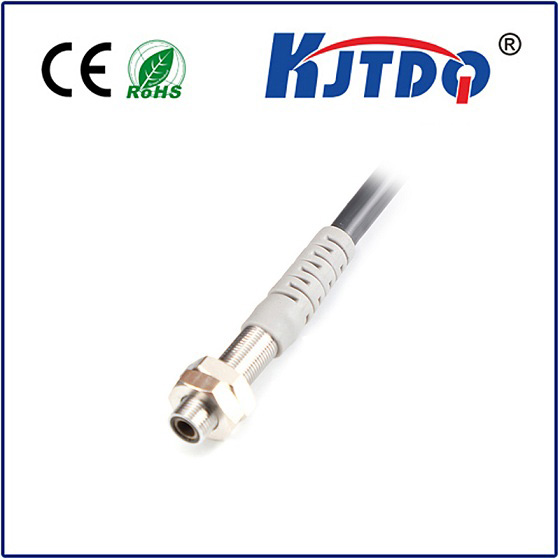
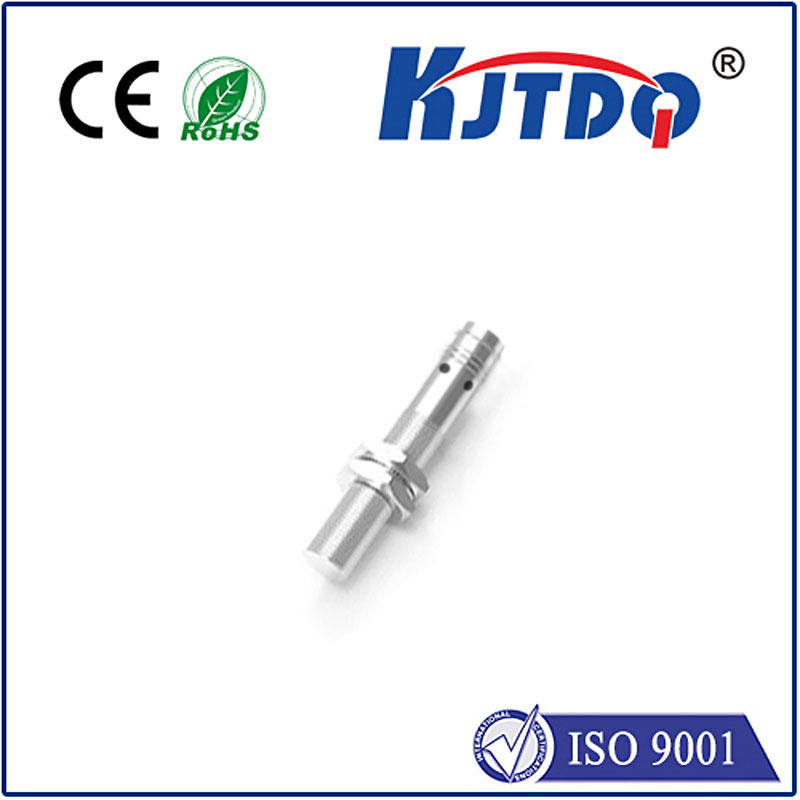
In the intricate world of automation and smart device design, achieving reliable, non-contact detection in confined spaces is a persistent challenge. This is where the specialized capabilities of an 8mm sensing distance proximity sensor become indispensable. Unlike standard sensors with longer ranges, this precise variant is engineered for applications where accuracy at a very close distance is paramount. Its core function is to detect the presence or absence of a target object within a tight, 8-millimeter window without any physical contact, ensuring longevity and hygiene in operation.
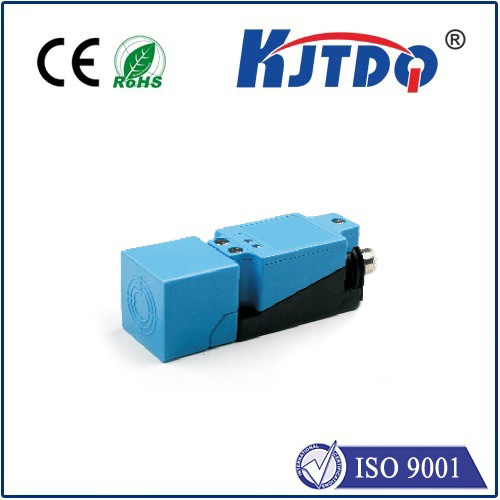
The principle behind this technology is typically based on inductive, capacitive, or photoelectric sensing. Inductive sensors, for instance, generate an electromagnetic field. When a metallic object enters this predefined 8mm field, it causes a change in oscillation, which the sensor detects. This makes them perfect for industrial settings involving metal parts positioning, robotic arm end-effector verification, or counting small metallic components on a conveyor belt. Capacitive variants, on the other hand, can detect both metallic and non-metallic materials like liquids, plastics, or wood by sensing changes in capacitance, ideal for fill-level control in small containers or detecting material presence through thin walls.
The defining advantage of an 8mm sensing range is its exceptional precision and immunity to environmental interference. By limiting the active detection zone to a short distance, it effectively ignores background objects or passing machinery that could trigger a false signal in a longer-range sensor. This focused sensitivity is crucial in densely packed electronic assemblies, precision manufacturing jigs, or inside compact consumer electronics like smartphones and tablets, where components are minute and spaced closely together. For example, in a smartphone, such a sensor can be used to detect when a flip cover is closed within a very precise tolerance, triggering the screen to turn off and save battery life.
Integration of these sensors into systems is streamlined by their often compact form factor. Many models feature built-in amplifiers and output options like NPN, PNP, or analog signals, allowing for direct connection to PLCs (Programmable Logic Controllers) or microcontrollers. Their robust housing, frequently rated with IP67 protection, ensures reliable performance even in environments with dust, moisture, or oil splashes. When selecting an 8mm proximity sensor, engineers must consider not just the sensing distance but also factors like the target material size, required response speed, operating voltage, and temperature range to ensure optimal performance in the specific application.
From automated packaging lines ensuring a product is correctly positioned before sealing, to sophisticated medical devices requiring sterile, touch-free operation, the 8mm sensing distance proximity sensor is a silent workhorse. It provides the critical feedback necessary for quality control, safety interlocks, and process automation. Its ability to deliver consistent, reliable detection in the first few millimeters of space enables smarter, more efficient, and more compact designs across industries. As technology trends continue to push for miniaturization and higher precision, the demand for these specialized short-range sensors is poised to grow, solidifying their role as a fundamental component in modern electromechanical systems.