check

check

check

check
check
check
check
check
check

check
In today's rapidly evolving industrial landscape, the demand for automation solutions that are not only highly reliable but also environmentally responsible is at an all-time high. This is where the RoHS compliant proximity sensor steps into the spotlight, becoming an indispensable component for modern manufacturing and machinery. These sensors, designed to detect the presence or absence of an object without physical contact, are now engineered to meet stringent environmental standards, offering a perfect synergy of performance and sustainability.
The term "RoHS compliant" refers to adherence to the Restriction of Hazardous Substances directive. This critical regulation restricts the use of specific hazardous materials—such as lead, mercury, cadmium, and certain flame retardants—in electrical and electronic equipment. For a proximity sensor to earn this designation, its entire construction, from internal circuitry to external housing, must be free of these banned substances. This compliance is not merely a legal checkbox; it represents a fundamental commitment to reducing environmental impact and safeguarding human health throughout the product's lifecycle, from production to disposal.
Choosing a RoHS compliant proximity sensor delivers a multitude of tangible benefits. Firstly, it significantly mitigates environmental pollution. By eliminating toxic materials, these sensors prevent harmful substances from leaching into soil and groundwater when electronic waste reaches landfills. Secondly, they enhance workplace safety. During manufacturing, assembly, and eventual recycling, the risk of exposure to dangerous chemicals for workers is drastically reduced. Thirdly, and crucially for businesses, it ensures global market access. Regions like the European Union, North America, and many parts of Asia enforce strict RoHS or similar regulations. Utilizing compliant components streamlines the certification process for final products, avoiding costly delays and potential market entry barriers.
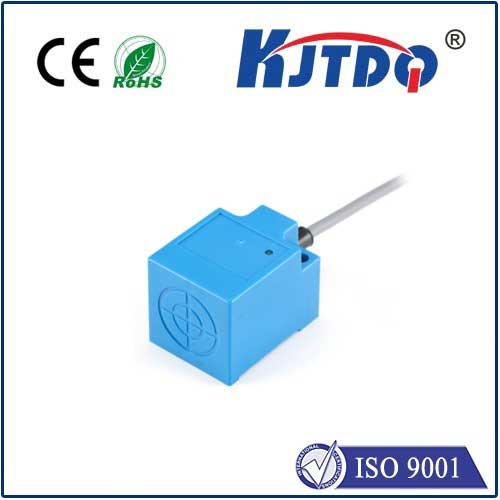
Beyond their green credentials, modern RoHS compliant proximity sensors do not compromise on technical performance. Manufacturers have innovated with alternative, safer materials to deliver sensors that excel in critical operational parameters. Expect robust performance in terms of sensing range, repeat accuracy, response speed, and resilience against environmental factors like temperature fluctuations, moisture, and industrial vibrations. Whether it's an inductive sensor for detecting metals, a capacitive sensor for non-metals, or an ultrasonic sensor for longer ranges, RoHS compliance is now a standard feature across all major technology types.
The applications for these eco-conscious sensors are vast and growing. They are pivotal in automated assembly lines for precise part positioning, in packaging machinery for accurate counting and filling, and in material handling systems for object detection and collision avoidance. Industries such as automotive, food and beverage, pharmaceuticals, and consumer electronics increasingly mandate the use of RoHS compliant components to meet their own corporate sustainability goals and regulatory requirements. Integrating these sensors is a proactive step toward building a cleaner, safer, and more responsible production ecosystem.
When selecting a RoHS compliant proximity sensor for your application, several factors warrant careful consideration. Always verify the supplier's documentation, including a formal Declaration of Conformity or test reports from accredited laboratories, to confirm compliance. Assess the sensor's technical specifications—such as its operating voltage, output type (PNP/NPN), housing material (often stainless steel or PBT plastic), and IP rating for ingress protection—to ensure it matches your operational needs. Partnering with a reputable manufacturer known for quality and adherence to international standards is paramount for long-term reliability.
In conclusion, the RoHS compliant proximity sensor is far more than a regulatory necessity; it is a strategic asset. It represents a conscious choice to invest in technology that protects our planet while delivering the unwavering reliability required for efficient automation. As industries worldwide continue to prioritize sustainability, adopting components like these sensors is a clear demonstration of forward-thinking leadership and operational excellence. By making the switch, companies not only future-proof their operations against tightening regulations but also contribute positively to a greener industrial future, proving that peak performance and environmental stewardship can indeed go hand in hand.