check

check

check

check
check
check
check
check
check

check
In demanding industrial settings, the longevity and reliability of equipment are paramount. Traditional sensors often fail prematurely when exposed to corrosive elements like chemicals, saltwater, or extreme humidity, leading to costly downtime and maintenance. This is where the corrosion resistant proximity sensor steps in as a critical engineering advancement. Engineered specifically to withstand aggressive environments, these sensors ensure continuous, accurate operation where others cannot.
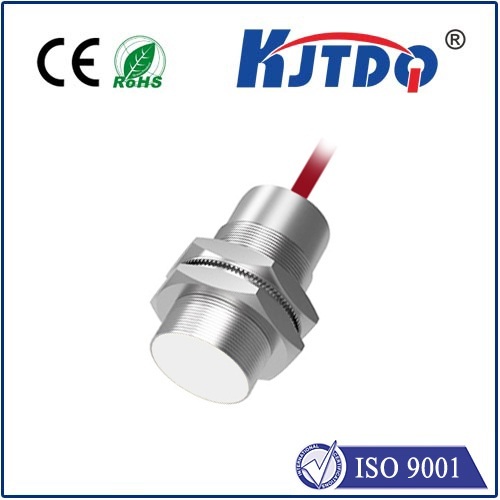
The core innovation lies in the materials and construction. A high-performance corrosion resistant proximity sensor typically features a housing made from stainless steel grades like 316L or specialized plastics such as PPS (Polyphenylene Sulfide). These materials offer exceptional resistance to a wide range of corrosive agents, including acids, alkalis, and chlorides. Furthermore, the sensing face is often sealed with a chemically inert epoxy resin or similar compound, providing an impenetrable barrier that protects the internal electronics from contamination and moisture ingress. This robust build allows the sensor to perform flawlessly in industries such as chemical processing, marine and offshore applications, food and beverage production, and wastewater treatment plants.
Beyond mere survival, these sensors deliver precise and stable detection. Utilizing inductive, capacitive, or ultrasonic technologies, they can detect the presence or absence of metallic or non-metallic objects without physical contact. This non-contact nature is crucial in corrosive settings, as it eliminates mechanical wear and prevents the sensor itself from becoming a contamination source. For instance, in a food processing line where caustic cleaning agents are used daily, a corrosion resistant sensor maintains its calibration and hygiene integrity, ensuring product safety and line efficiency.
The benefits translate directly to operational cost savings and enhanced safety. By drastically reducing the frequency of sensor replacement, facilities lower their spare parts inventory and labor costs associated with maintenance. More importantly, the reliability of these sensors contributes to overall plant safety by providing consistent monitoring of machine positions, valve states, or object presence in hazardous areas. Preventing failures in critical control loops avoids potential spills, equipment damage, or unsafe operating conditions.
When selecting a corrosion resistant proximity sensor for an application, several technical specifications require careful consideration. The IP (Ingress Protection) rating, particularly against liquids, is vital; look for ratings of IP67, IP68, or IP69K for high-pressure washdown environments. The temperature range must suit the operational extremes, and the output type (PNP/NPN, analog, IO-Link) should integrate seamlessly with the existing control system. Consulting with a specialist supplier who understands the specific chemical exposures is always recommended to ensure optimal sensor selection and placement.
Implementation is straightforward, often designed as direct replacements for standard sensors. However, proper installation is key to maximizing their lifespan. This includes using compatible mounting hardware, ensuring correct sealing of cable glands, and following guidelines for cleaning to avoid damaging the protective housing. Regular visual inspections for any signs of coating degradation, while infrequent, are a good practice in preventative maintenance routines.
In conclusion, the corrosion resistant proximity sensor is not merely an accessory but a fundamental component for modern industrial automation in challenging conditions. It represents a shift from reactive maintenance to proactive asset management. By investing in this durable technology, engineers and plant managers secure a higher level of process reliability, reduce total cost of ownership, and build a more resilient operation capable of thriving in the most corrosive atmospheres. The initial investment is quickly justified by years of uninterrupted service and peace of mind.