check

check

check

check
check
check
check
check
check

check
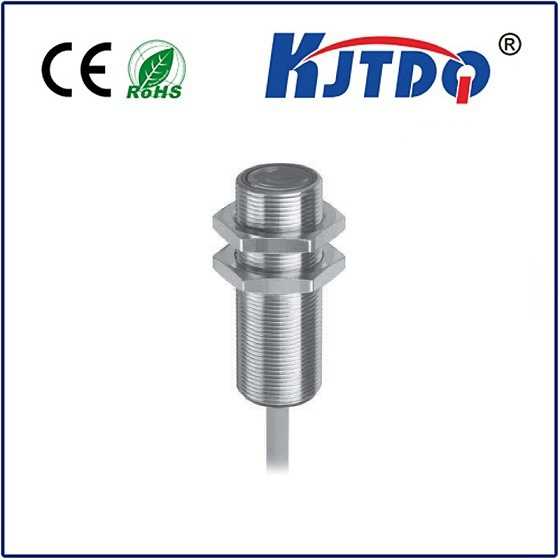
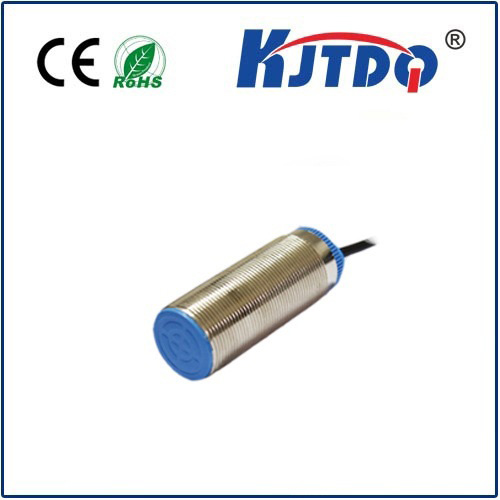
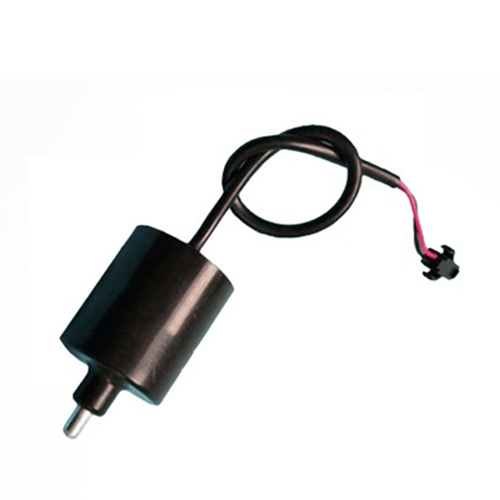
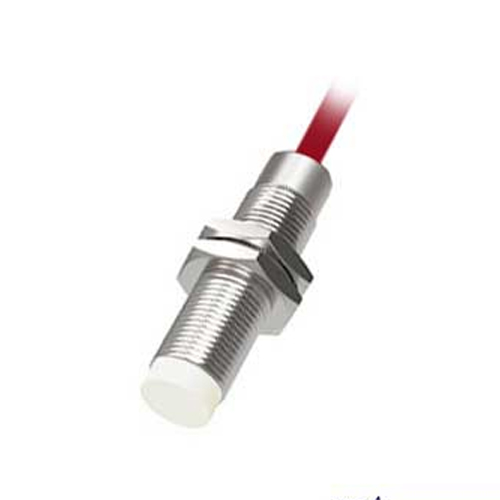
In industrial automation, logistics, and outdoor applications, maintaining reliable sensor performance in low-temperature environments is a persistent challenge. Conventional proximity sensors often experience signal drift, reduced sensing ranges, or complete failure when exposed to sub-zero conditions. The KJTDQ Low Temperature Operation Proximity Sensor is engineered specifically to overcome these limitations, providing consistent and accurate non-contact detection even in the most frigid operational settings.
The core of its resilience lies in a meticulously designed internal architecture. Key electronic components are selected from industrial-grade materials with wide temperature tolerances. The oscillator circuit, critical for generating the electromagnetic field in inductive models or the infrared beam in photoelectric versions, is stabilized using temperature-compensated algorithms. This ensures that the switching point remains constant, preventing false triggers or missed detections that can disrupt automated processes. Furthermore, the housing is constructed from specialized polymers or stainless-steel alloys that resist embrittlement and seal out moisture, which can condense and freeze internally, damaging standard sensors.
Applications for this robust sensor are vast and critical. In cold storage warehouses and frozen food processing lines, KJTDQ sensors reliably count packages, control door mechanisms, and monitor conveyor positions where temperatures can plummet to -30°C or lower. In outdoor automated guided vehicle (AGV) systems or renewable energy installations like wind turbines in arctic regions, these sensors provide vital feedback for position control and safety monitoring. The manufacturing of industrial gases or certain chemicals also requires precise automation in cryogenic environments, where dependable sensor input is non-negotiable for safety and efficiency.
Beyond mere survival in the cold, the KJTDQ sensor is built for longevity and ease of integration. It features a wide operating voltage range to account for potential battery voltage drops in cold weather and offers multiple output configurations (NPN, PNP, analog) to interface seamlessly with existing PLCs and control systems. Its design prioritizes minimal maintenance, as accessing and replacing sensors in hard-to-reach, cold locations is both difficult and costly. By investing in a sensor designed for the extremes, facilities significantly reduce downtime, prevent product loss due to sensor failure, and enhance overall system reliability.
Ultimately, the choice of a proximity sensor for low-temperature duty is a strategic decision impacting operational continuity. The KJTDQ Low Temperature Operation Proximity Sensor delivers not just a specification but a promise of unwavering performance, ensuring that automation systems function as intended, regardless of how low the mercury falls. It transforms environmental challenges from a point of vulnerability into a managed variable, empowering industries to operate confidently in any climate.