check

check

check

check
check
check
check
check
check

check
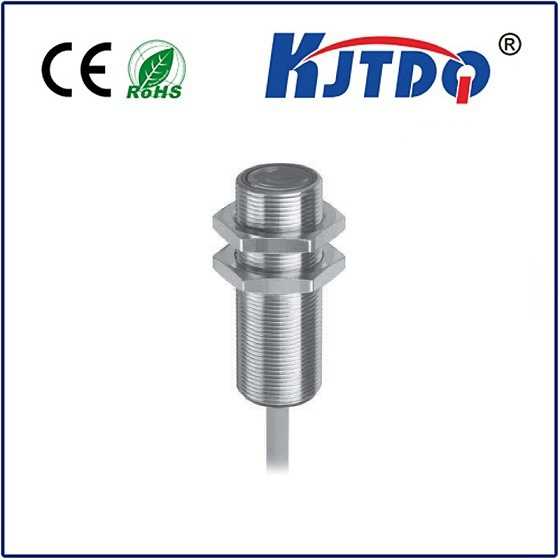
In the world of industrial automation, precision and reliability are non-negotiable. At the heart of countless assembly lines, packaging systems, and robotic cells, a small but mighty component works tirelessly to ensure seamless operation: the M12 threaded proximity sensor. This compact device has become an industry standard for object detection, and understanding its capabilities is crucial for optimizing any automated process.
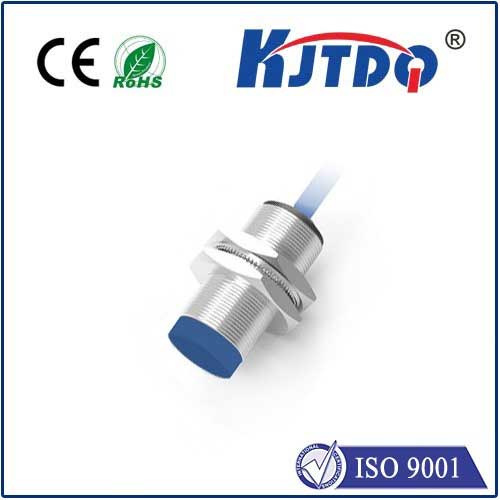
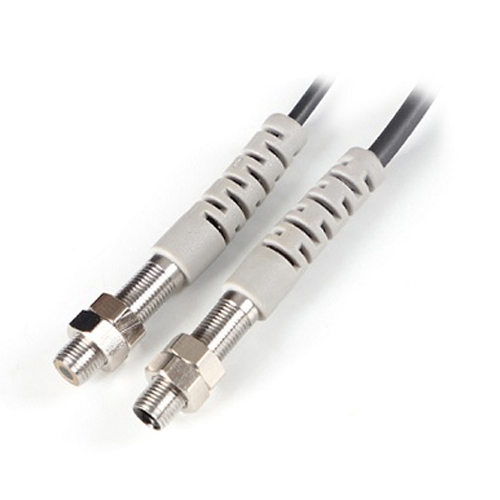
Unlike traditional mechanical switches, an M12 proximity sensor operates without physical contact. It generates an electromagnetic field. When a metallic or, depending on the type, non-metallic target enters this field, the sensor detects the change and sends an electrical signal. This contactless nature is its primary advantage, leading to virtually wear-free operation, high switching frequencies, and exceptional longevity. The "M12" designation refers to its standardized 12mm threaded cylindrical housing, which allows for quick, secure, and standardized installation into matching mounting holes, a key feature for maintenance and scalability.
The applications for M12 threaded sensors are vast and varied. They are indispensable for precise position sensing, such as verifying if a cylinder is fully extended or retracted. On conveyor systems, they count products, detect presence for sorting, or ensure proper positioning for machining. In robotics, they provide end-of-arm tooling feedback or safe area monitoring. Their robust construction, typically featuring IP67 or higher ingress protection ratings, makes them resistant to dust, coolants, and water jets, allowing them to thrive in harsh factory environments.
Choosing the right M12 sensor involves several key specifications. First is the sensing distance, a critical parameter that must be selected based on the application to ensure reliable detection without false triggers. Next is the output type: PNP (sourcing) or NPN (sinking), which must be compatible with the connected controller's input card. The operating voltage, commonly 10-30V DC, is another essential factor. Furthermore, the sensing technology itself varies. Inductive sensors detect metals like steel, aluminum, and copper. Capacitive sensors can detect both metals and non-metals, including liquids, plastics, and wood, making them versatile for different material handling tasks. Finally, the housing material, often nickel-plated brass or stainless steel, is chosen based on the need for chemical resistance or mechanical strength.
The benefits of integrating M12 threaded proximity sensors into a system are clear. Their standardized design simplifies inventory management and replacement. The threaded barrel enables easy adjustment of sensing range during installation and provides a vibration-resistant hold. Their small size allows for installation in space-constrained locations. Most importantly, they enhance system reliability by providing consistent, accurate feedback, which is the foundation for preventing jams, reducing downtime, and maintaining high product quality.
For engineers and maintenance technicians, proper installation and wiring are straightforward but vital. Ensuring the correct voltage is supplied and the load (like a PLC input) is correctly connected in series is fundamental. Adequate clearance around the sensing face must be maintained to avoid interference from surrounding metal. Regular checks for accumulated debris on the sensor face and verification of the switching signal under operational conditions form part of a simple yet effective preventive maintenance routine.
In conclusion, the M12 threaded proximity sensor is far more than just a simple switch. It is a sophisticated, reliable, and standardized solution for non-contact detection that forms the sensory backbone of modern industrial automation. From ensuring a bottle is correctly capped to confirming a robotic weld gun is in position, its role is pivotal. Selecting the appropriate sensor type for the specific material, environment, and electrical requirement is the key to unlocking its full potential, driving efficiency, and building a more resilient and productive automated system.