check

check

check

check
check
check
check
check
check

check
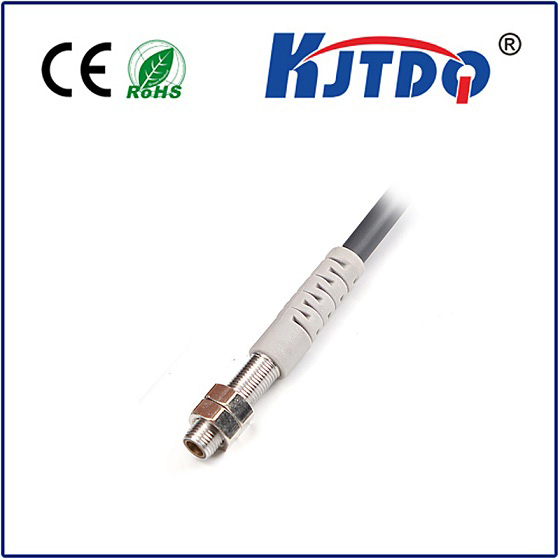
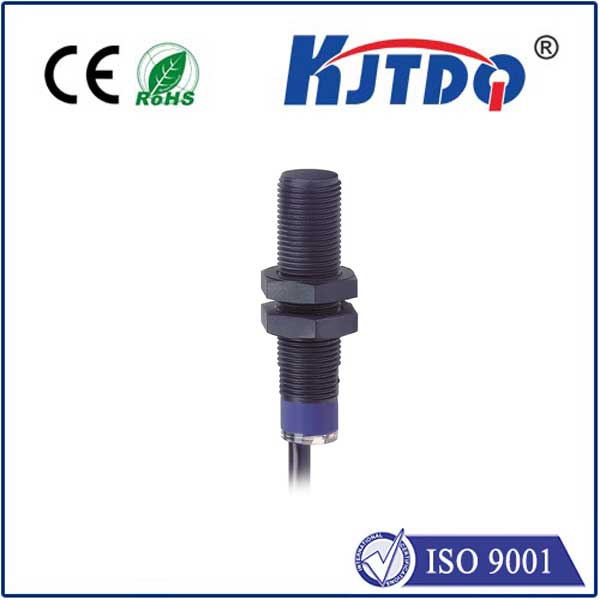
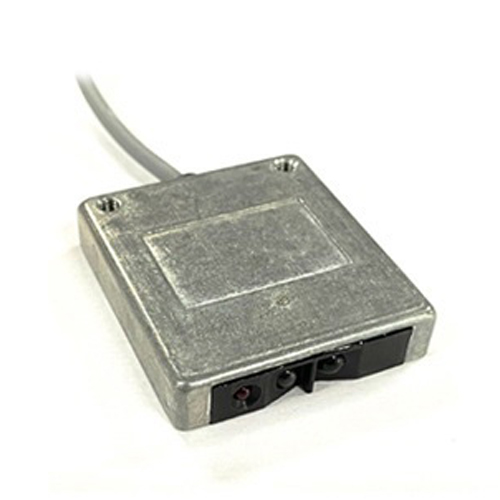
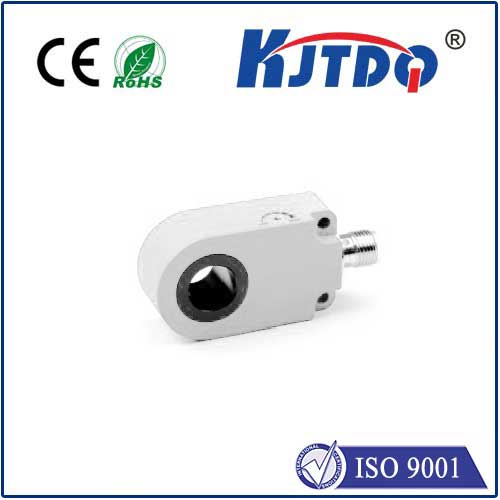
In industrial and manufacturing settings where machinery operates under intense heat, maintaining reliable performance is a constant challenge. Standard sensors often fail when exposed to elevated temperatures, leading to unplanned downtime, safety risks, and costly production losses. This is where the high temperature rated proximity sensor becomes an indispensable component. Engineered specifically to withstand harsh thermal conditions, these sensors provide continuous, accurate detection where others cannot.
The core technology behind a high temperature proximity sensor involves advanced materials and innovative design. Key components, such as the sensing face, housing, and internal electronics, are constructed from specialized alloys, ceramics, and high-temperature plastics. These materials are selected for their ability to resist thermal expansion, maintain structural integrity, and prevent insulation breakdown. Furthermore, the internal circuitry is often potted with high-temperature epoxy or other compounds to shield sensitive components from heat, vibration, and contaminants. This robust construction allows the sensor to operate reliably in ambient temperatures that can exceed 150°C or even 200°C, depending on the model and design.
The applications for these rugged sensors are vast and critical. They are commonly found in metal processing plants, monitoring the position of hot billets, molten metal flows, or casting molds. In the automotive industry, they are integrated into welding robots and paint-drying ovens. Glass manufacturing, ceramic kilns, and plastic injection molding machines also rely on them for precise object detection and positioning. In every case, the sensor's ability to function accurately near extreme heat sources prevents jams, ensures proper sequencing, and safeguards both equipment and personnel.
Selecting the right high temperature rated sensor requires careful consideration of several factors. The maximum ambient temperature is the primary specification, but one must also account for the target object's temperature and the potential for radiant heat. The sensing distance may be slightly reduced at higher temperatures, so this derating should be factored into the design. The type of output—whether PNP, NPN, or analog—and the electrical connection style must be compatible with the existing control system. Environmental factors like exposure to coolants, oils, or metallic dust also influence the choice of housing material and ingress protection (IP) rating.
Beyond basic detection, modern high-temperature proximity sensors offer features that enhance system intelligence and diagnostics. Some models include built-in temperature monitoring, providing feedback to the control system if conditions approach the sensor's limits. LED indicators with high-temperature lenses offer visual status confirmation even in hot zones. Their stable performance reduces false triggers and signal drift, contributing to overall process consistency and quality control.
Installation and maintenance practices are crucial for maximizing the lifespan of these sensors. Proper mounting, with adequate clearance from the hottest surfaces, allows for heat dissipation. Using high-temperature rated cables and connectors is essential to prevent failures at the wiring junction. Regular inspection for physical damage or buildup of process material helps maintain optimal performance. While these sensors are built for durability, understanding their limitations and operating within specified parameters ensures long-term reliability.
The integration of a high temperature rated proximity sensor like the KJTDQ series into a thermal-intensive process represents a strategic investment in operational resilience. It replaces a frequent point of failure with a component designed for endurance. This translates directly into increased machine availability, higher throughput, and reduced maintenance costs. By delivering unwavering detection capabilities where heat is a constant factor, these sensors form a silent yet vital backbone for modern industrial automation, enabling processes to push the boundaries of productivity and safety.