check

check

check

check

check

check
In the rapidly evolving landscape of industrial automation and smart electronics, the role of a dedicated Proximity Sensor Factory is more critical than ever. These specialized manufacturing hubs are the powerhouses behind the tiny, yet indispensable, components that enable devices to "sense" their environment without physical contact. A state-of-the-art Proximity Sensor Factory, such as the one represented by KJTDQ, operates at the intersection of precision engineering, advanced materials science, and rigorous quality control.
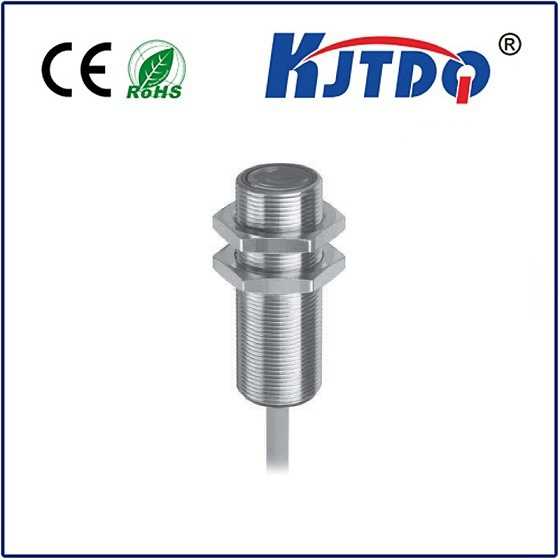
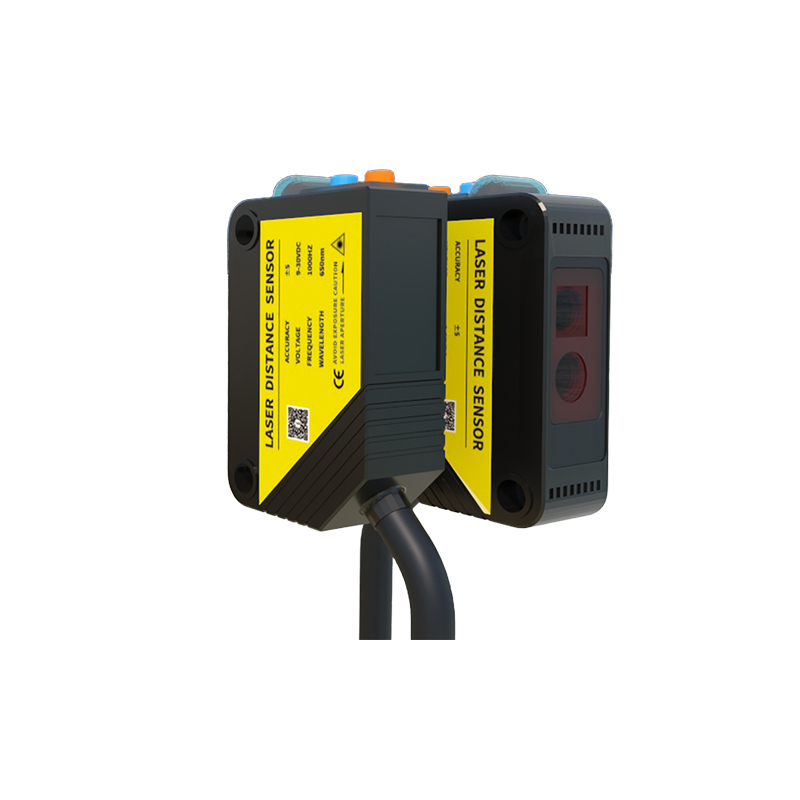
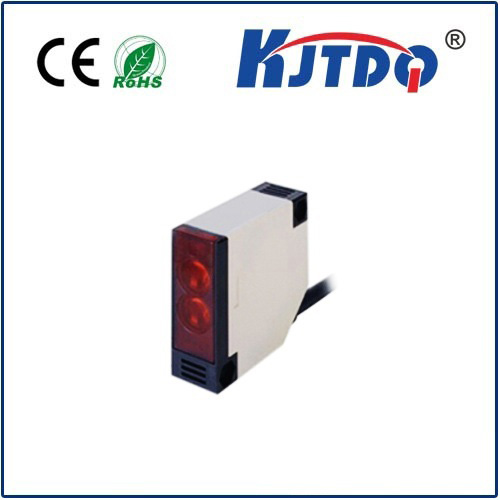
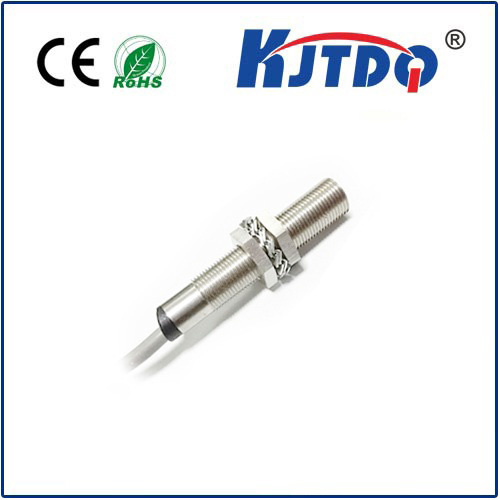
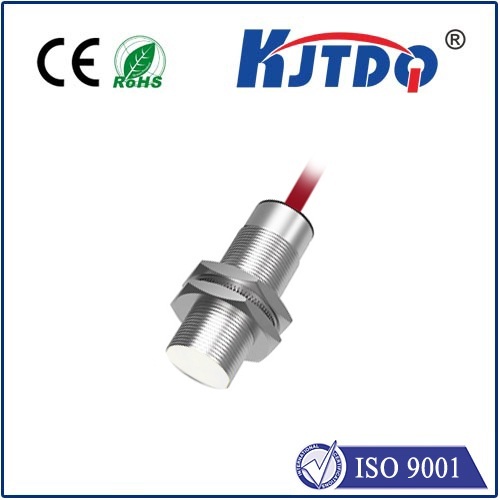
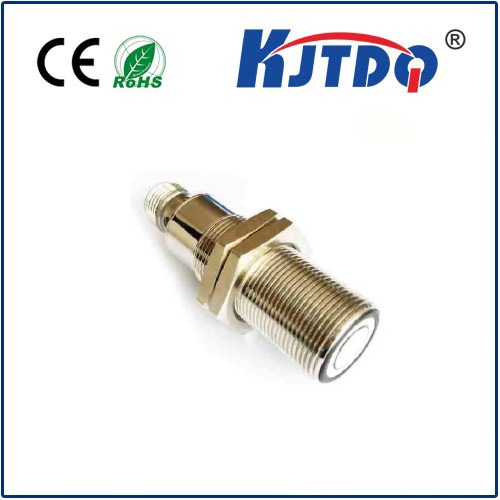
The core mission of a modern Proximity Sensor Factory is to produce reliable, accurate, and durable sensors. These sensors come in various types, primarily inductive, capacitive, and photoelectric, each suited for specific applications. Inductive sensors detect metallic objects, capacitive sensors can sense both metallic and non-metallic materials, and photoelectric sensors use light beams. Inside a factory like KJTDQ, the production process begins with the meticulous design of sensor circuitry and housing. High-grade materials are selected to ensure stability under varying industrial conditions, including extreme temperatures, humidity, and exposure to chemicals.
Manufacturing lines in a leading Proximity Sensor Factory are highly automated. Surface-mount technology (SMT) lines precisely place microscopic electronic components onto printed circuit boards (PCBs). This stage requires a dust-free environment and exact calibration to guarantee the sensor's sensitivity and response time. Following assembly, each sensor undergoes a series of stringent tests. These tests simulate real-world scenarios to check parameters such as sensing range, repeat accuracy, and resistance to electrical noise. KJTDQ's factory implements a zero-defect philosophy, where statistical process control (SPC) is used to monitor every batch, ensuring consistency that clients can depend on.
The applications for sensors produced in a top-tier Proximity Sensor Factory are vast and growing. In the automotive industry, they are integral to assembly robots, ensuring precise part placement, and in vehicles themselves for features like automatic parking assist and collision avoidance. In consumer electronics, they enable the touchless screen control and battery-saving features in smartphones and tablets. Furthermore, in packaging, material handling, and food & beverage industries, these sensors provide critical object detection for conveyor systems, level monitoring, and safety guarding on machinery.
Innovation is the lifeblood of a competitive Proximity Sensor Factory. KJTDQ invests significantly in research and development to push the boundaries of what's possible. This includes developing sensors with longer detection ranges, miniaturizing designs for compact devices, enhancing energy efficiency for IoT applications, and integrating smart features like IO-Link communication for Industry 4.0 readiness. This forward-thinking approach allows the factory to not only meet current market demands but also anticipate future trends.
Choosing the right Proximity Sensor Factory is a strategic decision for OEMs and system integrators. Beyond product specifications, factors like manufacturing scalability, custom design capability, technical support, and global supply chain logistics are paramount. A factory like KJTDQ distinguishes itself by offering comprehensive solutions—from collaborative product development to just-in-time delivery—building long-term partnerships based on reliability and innovation.
Ultimately, a Proximity Sensor Factory is more than just a production facility; it is an innovation center that empowers smarter automation and enhances product functionality across countless sectors. By maintaining an unwavering commitment to quality, precision, and technological advancement, factories like KJTDQ are silently shaping a more efficient, safe, and interconnected industrial world, one sensor at a time.