check

check

check

check

check

check
In the bustling heart of a modern factory, where robotic arms dance with precision and assembly lines hum with relentless efficiency, there exists a silent, unseen workforce. These are the industrial proximity sensors, the critical components that form the nervous system of automated production. Far from being mere switches, these sophisticated devices are the cornerstone of safety, precision, and intelligence in industrial environments. The KJTDQ series represents the pinnacle of this technology, engineered to deliver unparalleled reliability in the most demanding applications.
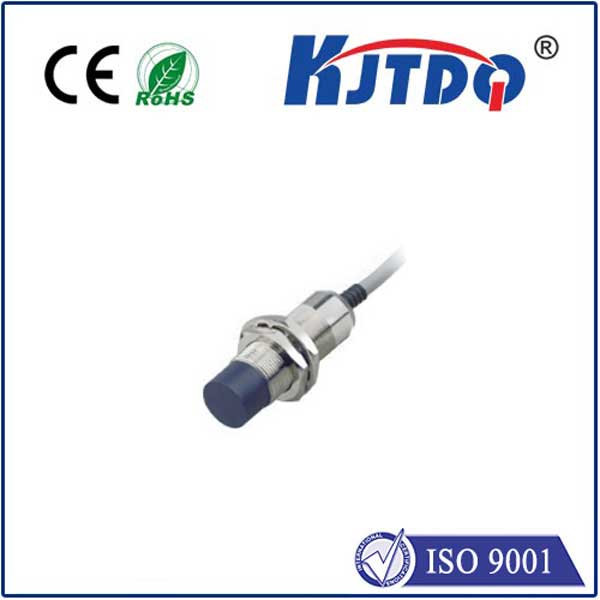
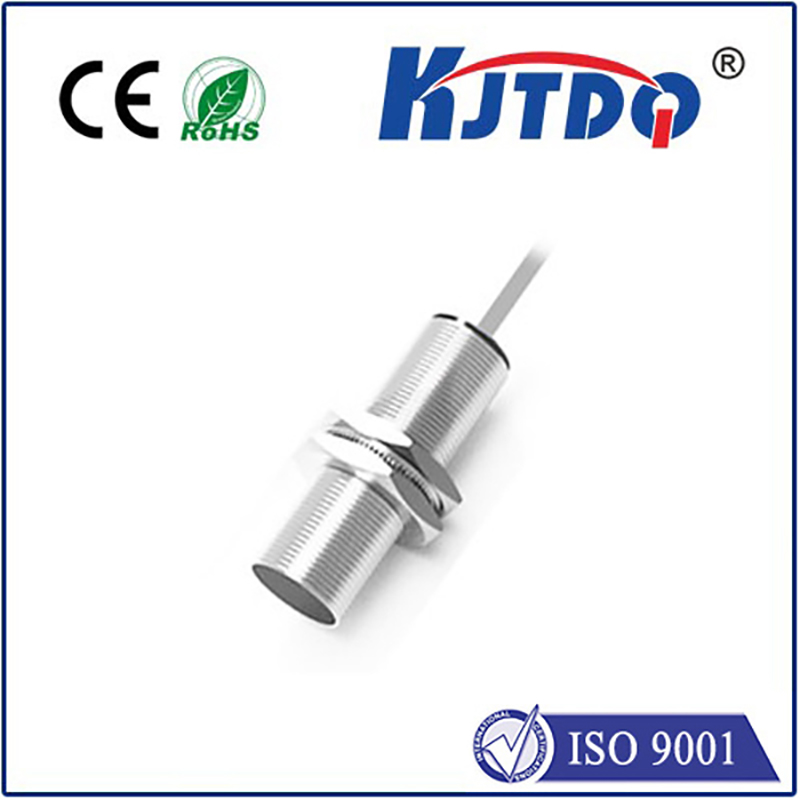
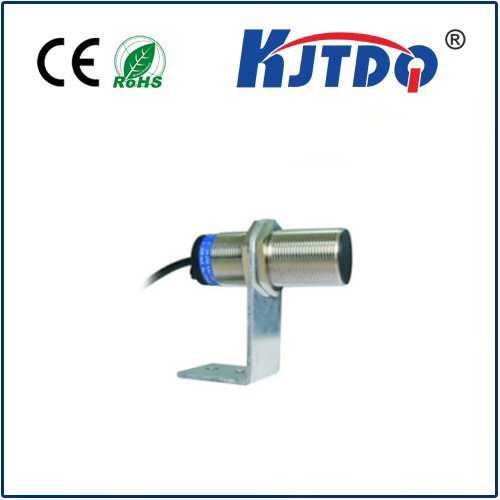
At its core, an industrial proximity sensor is a non-contact device designed to detect the presence or absence of an object within its sensing range without any physical touch. This fundamental principle eliminates mechanical wear and tear, ensuring a long operational life and consistent performance. The technology primarily falls into three categories: inductive, capacitive, and photoelectric. Inductive sensors, like many in the KJTDQ line, are masters of detecting metallic objects. They generate an electromagnetic field, and when a metal target enters this field, it causes a change that the sensor detects, triggering an output signal. This makes them indispensable in metal machining, automotive welding, and conveyor systems for part counting and positioning.
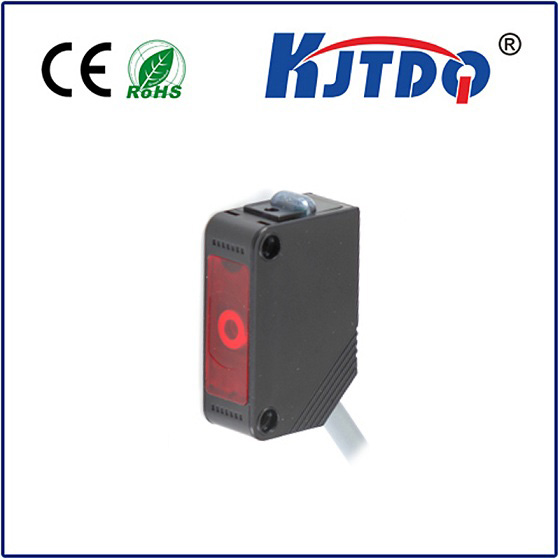
Capacitive sensors, on the other hand, have a broader palate. They can detect virtually any material—metals, plastics, glass, liquids, and even granular substances—by sensing changes in capacitance. This versatility is crucial in industries like food and beverage, packaging, and wood processing, where non-metallic object detection is paramount. Photoelectric sensors use a beam of light, typically infrared or laser, to detect objects. They offer the longest sensing ranges and are perfect for clear object detection or applications requiring precise positioning over a distance.
The introduction of the KJTDQ series brings these technologies to a new level of robustness. Manufacturing floors are hostile environments, rife with challenges like extreme temperatures, pervasive dust, oil mist, coolant splashes, and intense electromagnetic interference. A standard sensor would falter, but the KJTDQ is built to endure. Housed in rugged, often stainless-steel or nickel-plated brass bodies with IP67 or higher ingress protection ratings, these sensors are virtually impervious to harsh conditions. Their solid-state design means no moving parts to jam or break, guaranteeing millions of reliable operation cycles.
The real-world applications are vast and transformative. In automotive assembly, KJTDQ inductive sensors ensure robotic welders are perfectly positioned before each spark flies, guaranteeing structural integrity. On packaging lines, capacitive sensors verify the correct fill level in bottles before capping, preventing waste and ensuring product quality. In material handling, photoelectric sensors monitor the height of stacks on pallets, automating logistics with flawless accuracy. Perhaps most critically, they serve as fundamental safety devices, forming part of machine guarding systems to ensure a robot halts instantly if a human operator enters a dangerous zone, protecting lives.
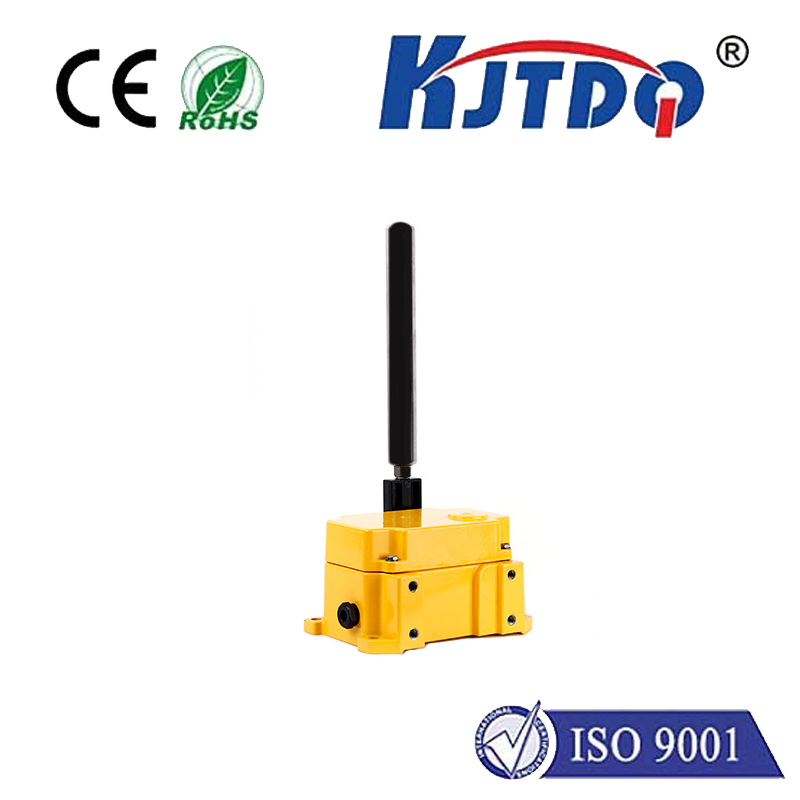
The evolution towards Industry 4.0 and the Industrial Internet of Things (IIoT) has further elevated the role of the smart proximity sensor. Modern versions, including advanced KJTDQ models, come equipped with IO-Link communication. This simple, point-to-point serial connection transforms a basic sensor into an intelligent data point. It no longer just sends an "on/off" signal; it can communicate its health status, operating temperature, signal strength, and even warn of potential failures before they occur. This predictive maintenance capability is revolutionary, reducing unplanned downtime and optimizing overall equipment effectiveness (OEE). Factory managers can now monitor the pulse of thousands of sensors from a central dashboard, making data-driven decisions to enhance productivity.
Selecting the right sensor is a precise science. Engineers must consider the target material, the required sensing distance, the environmental conditions, the output type needed (e.g., NPN, PNP, analog), and the mounting constraints. The KJTDQ portfolio is designed to meet this complex matrix of requirements, offering a wide array of form factors, sensing ranges, and output configurations. Consulting with a technical specialist is always recommended to match the exact sensor to the application, ensuring optimal performance and cost-efficiency.
In conclusion, the humble industrial proximity sensor is anything but simple. It is a marvel of engineering that enables the speed, safety, and intelligence of contemporary manufacturing. As factories become smarter and more connected, the demand for robust, reliable, and intelligent sensing solutions like the KJTDQ series will only intensify. They are the unseen guardians, working tirelessly in the background to ensure that the wheels of industry turn smoothly, efficiently, and safely, proving that the smallest components often bear the greatest responsibility.