check

check

check

check

check

check
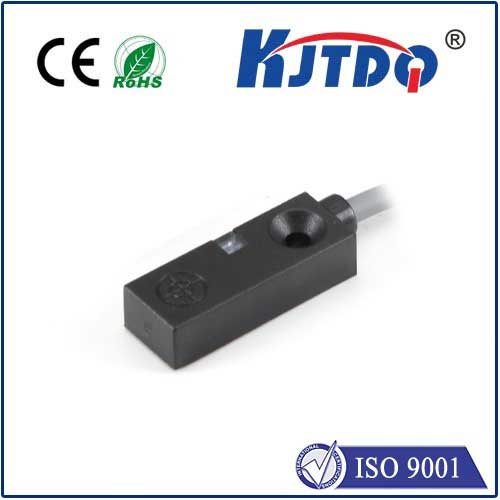
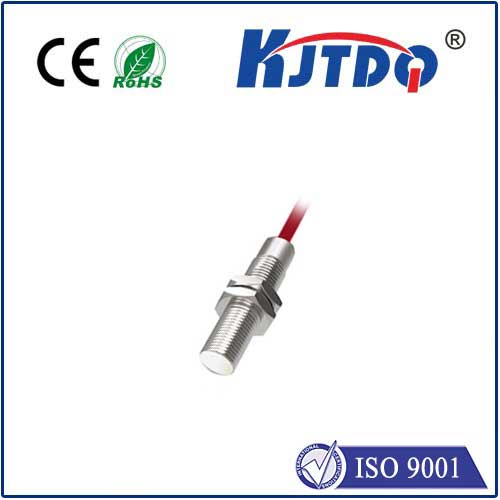
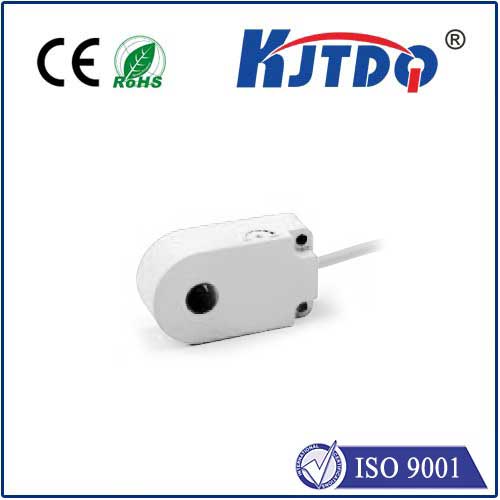
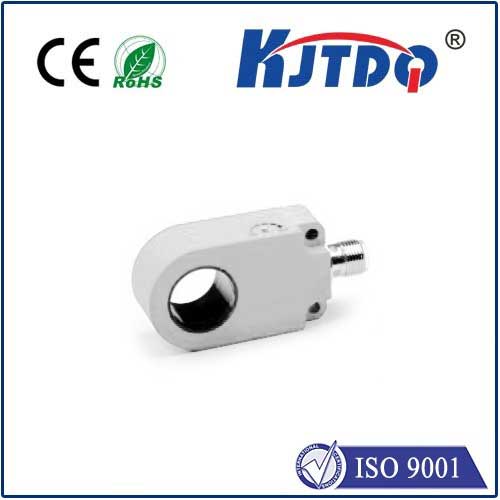
In modern manufacturing environments, assembly line efficiency is paramount to maintaining competitive advantage and meeting production demands. One critical component that plays a significant role in optimizing these processes is the proximity sensor. Specifically designed for assembly line applications, proximity sensors detect the presence or absence of objects without physical contact, ensuring seamless operations and reducing downtime. The integration of advanced proximity sensor technology, such as KJTDQ, brings a new level of precision and reliability to industrial settings.
Proximity sensors are essential in automating assembly lines, where they monitor the position of components, control robotic arms, and verify the correct placement of parts. By using electromagnetic fields or infrared beams, these sensors can identify metallic or non-metallic objects with high accuracy. This capability minimizes errors, prevents jams, and enhances overall workflow. For instance, in automotive manufacturing, proximity sensors ensure that each part is correctly aligned before welding or assembly, reducing defects and improving product quality.
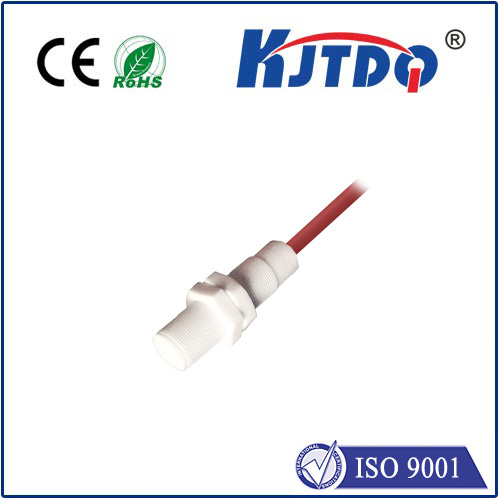
The KJTDQ proximity sensor stands out due to its robust design and advanced features. Engineered to withstand harsh industrial conditions, including dust, moisture, and temperature fluctuations, it offers long-term durability. Its high sensitivity allows for detection of small objects at varying distances, making it versatile for different assembly line configurations. Additionally, the KJTDQ sensor incorporates smart technology that enables real-time data transmission to control systems, facilitating predictive maintenance and reducing unexpected breakdowns.
Implementing proximity sensors like KJTDQ on assembly lines leads to substantial cost savings. By automating detection processes, companies can reduce labor costs and minimize material waste. The sensors' rapid response time ensures that production cycles are optimized, leading to higher throughput. Moreover, their non-contact nature reduces wear and tear on machinery, extending equipment lifespan and lowering maintenance expenses. In industries where precision is critical, such as electronics or pharmaceuticals, the accuracy of KJTDQ sensors ensures compliance with stringent quality standards.
Another advantage of using proximity sensors in assembly lines is enhanced safety. By detecting the presence of workers or obstacles, these sensors can trigger emergency stops or alerts, preventing accidents. The KJTDQ model includes fail-safe mechanisms that ensure reliable operation even in power fluctuations or signal interference. This focus on safety not only protects employees but also helps companies avoid costly legal liabilities and production halts.
As Industry 4.0 continues to evolve, the role of proximity sensors in smart factories becomes increasingly important. The KJTDQ sensor integrates with IoT platforms, allowing for remote monitoring and data analytics. This connectivity enables manufacturers to analyze production trends, identify bottlenecks, and make informed decisions to improve efficiency. By leveraging such technology, companies can transition towards fully automated and adaptive assembly lines that respond dynamically to changing demands.
In conclusion, the adoption of proximity sensors, particularly the KJTDQ variant, is a strategic move for any manufacturing operation seeking to enhance assembly line performance. Their ability to provide accurate, non-contact detection improves productivity, reduces costs, and ensures safety. As technology advances, these sensors will continue to be integral to the future of industrial automation, driving innovation and competitiveness in global markets.