check

check

check

check

check

check
In the intricate dance of modern industrial automation, countless components work in silent harmony. Among these unsung heroes, the analog proximity sensor stands out as a critical yet often overlooked sentinel. Unlike its digital counterpart that simply shouts "on" or "off," the analog proximity sensor whispers a continuous stream of data, providing a nuanced picture of the world around it. This capability makes it the unseen guardian, enabling precision, safety, and efficiency in applications ranging from robotic arms to complex assembly lines.
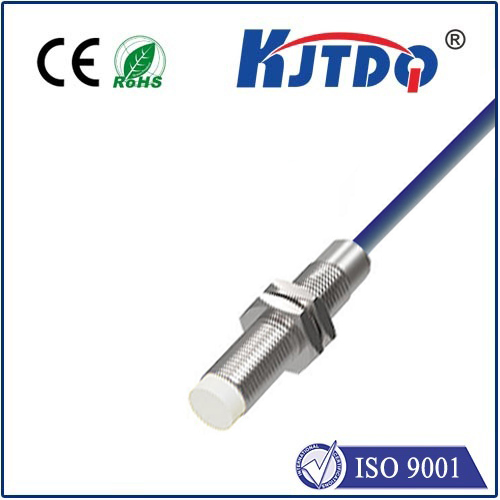
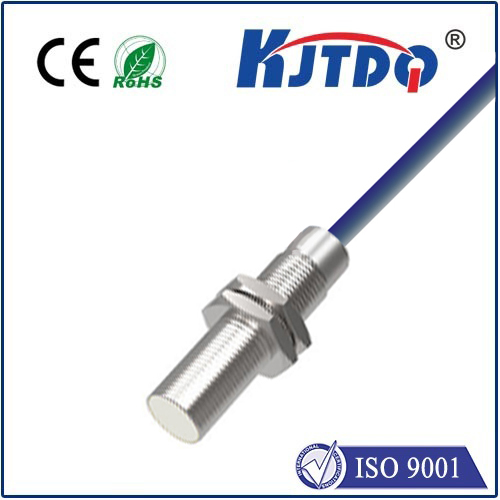
At its core, an analog proximity sensor detects the presence or absence of a target object without physical contact. It operates by emitting an electromagnetic field or a beam of electromagnetic radiation, often infrared light. When an object enters this field, it causes a change in the signal's return or oscillation. The key differentiator of an analog sensor is its output: instead of a abrupt switch, it produces a continuous voltage or current signal that is directly proportional to the distance to the target. As the object moves closer, the output signal increases or decreases in a smooth, linear fashion. This analog output, typically ranging from 0-10V or 4-20mA, provides a rich data stream about not just *if* an object is there, but *exactly how far away* it is.
This continuous feedback loop unlocks a world of possibilities beyond simple detection. Consider a robotic welding arm. A digital sensor might tell the arm that a metal sheet is in position. An analog proximity sensor, however, can precisely measure the gap between the welding torch and the sheet's surface in real-time. The control system can then dynamically adjust the torch height to maintain the perfect welding distance throughout the operation, ensuring consistent, high-quality welds even on uneven surfaces. Similarly, in packaging machinery, analog sensors can monitor the fill level of containers by measuring the distance to the material's surface, allowing for precise volumetric control and reducing waste.
The benefits of implementing analog proximity sensors are manifold. The most prominent is enhanced precision and control. The ability to measure exact distance enables processes like tension control in web handling, precise positioning in CNC machines, and thickness monitoring in rolling mills. Secondly, they contribute significantly to predictive maintenance. By monitoring the gradual wear of a machine component (like a gear tooth or a bearing), the changing distance signal can alert operators to impending failure long before a catastrophic breakdown occurs, minimizing downtime. Furthermore, their non-contact nature ensures reduced wear and tear, as there is no physical interaction with the target, leading to longer sensor and equipment lifespan.
When selecting an analog proximity sensor for a specific application, several factors demand careful consideration. The sensing range must be appropriate for the operational distance. The target material is crucial; inductive sensors excel with metals, while capacitive sensors can detect non-metals like plastics, liquids, and grains. Environmental conditions such as temperature extremes, humidity, dust, or chemical exposure dictate the required housing material and ingress protection (IP) rating. Finally, the output signal type (voltage or current) must be compatible with the existing programmable logic controller (PLC) or data acquisition system.
Looking ahead, the role of the analog proximity sensor is evolving within the framework of Industry 4.0 and the Industrial Internet of Things (IIoT). While providing a continuous analog signal to local controllers remains its primary function, modern sensors are increasingly equipped with digital communication interfaces like IO-Link. This hybrid capability allows the sensor to transmit its precise analog measurement data digitally to higher-level systems for analytics and integration while maintaining robust, real-time analog control at the machine level. This fusion ensures that the analog proximity sensor will continue to be a fundamental building block in smarter, more responsive, and more efficient automated systems.
In conclusion, the analog proximity sensor is far more than a simple switch. It is a sophisticated measurement device that provides the essential continuous feedback necessary for advanced process control. Its ability to deliver precise, real-time distance data makes it indispensable in applications demanding accuracy, reliability, and intelligence. As automation grows more complex, the silent, steady data stream from these analog guardians will remain a cornerstone of innovation and operational excellence.