check

check

check

check

check

check
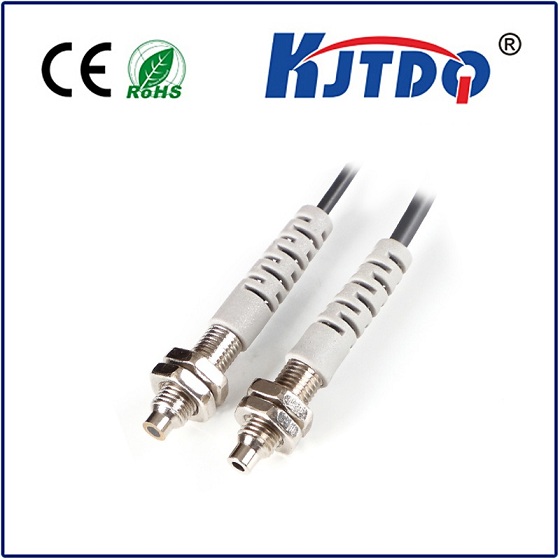
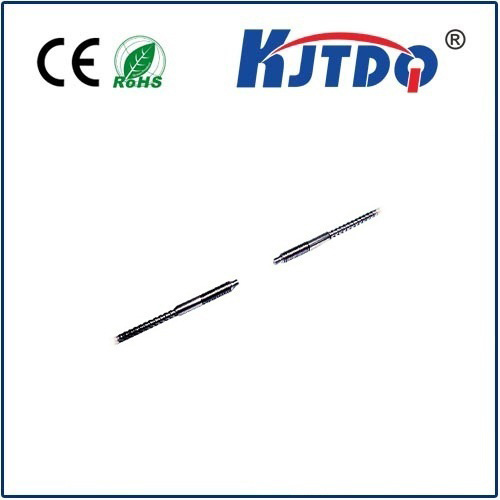
In the complex world of industrial automation and machinery design, space is often a critical constraint. Engineers and system integrators frequently encounter scenarios where reliable object detection is required, but the mounting space is severely limited—deep within a machine housing, inside a narrow bore, or behind other components. This is where the specialized Long Body Proximity Sensor, often designated with model identifiers like KJTDQ, becomes an indispensable tool. Unlike standard proximity sensors, these devices feature an elongated cylindrical housing, allowing their sensitive sensing face to be positioned precisely where needed, even if the electronics and connection point must be situated inches away.
The core technology behind these sensors remains robust. Most long-body inductive proximity sensors generate an electromagnetic field at the active face. When a metallic target enters this field, it causes a change in oscillation, which the sensor detects, triggering a solid-state output signal. The "long body" design simply extends the distance between this sensing face and the sensor's body, which contains the oscillator, demodulator, and output circuitry. This mechanical ingenuity solves a myriad of installation headaches. For instance, in CNC machining centers, these sensors can be threaded deep into a tool holder to monitor tool presence or breakage without interfering with the machining path. In automated assembly lines, they can reach into tight cavities to verify the correct insertion of a metal pin or component.
Choosing the right Long Body Proximity Sensor involves several key specifications beyond just the extended length. Sensing range, while typically shorter than stubby sensors due to the elongated design, must be sufficient for the application. The housing material, often stainless steel or nickel-plated brass, must withstand the environmental conditions, including coolants, oils, and metal chips. Factor in the electrical requirements: DC or AC operating voltage, normally open or normally closed output configuration (PNP or NCP for DC models), and whether a pre-wired connector or a quick-disconnect system is needed. The KJTDQ series, for example, is renowned for its consistent performance in challenging environments, offering high switching frequencies and excellent immunity to electromagnetic interference, which is crucial in plants with heavy motor and drive usage.
The benefits of implementing a long-body design are substantial. It enhances machine safety and reliability by enabling detection in previously inaccessible locations, preventing jams and collisions. It simplifies mechanical design, as there is no need to create complex brackets or modify existing structures to accommodate a standard sensor. Maintenance is also streamlined; the sensor can often be removed and replaced without major disassembly of the surrounding machine elements. This leads to reduced downtime and lower total cost of ownership.
From automotive manufacturing, where they verify piston placement deep within an engine block, to packaging machinery checking for metal seals on bottles, the applications are vast. In woodworking, they can detect saw blade position; in material handling, they ensure the correct depth of a retrieval arm. The versatility of the long-body proximity sensor makes it a silent, reliable workhorse on the factory floor.
When integrating a sensor like the KJTDQ, proper installation is paramount. Ensure the sensor is mounted securely to avoid vibration-induced failures. Respect the specified flush or non-flush mounting guidelines, as they affect the effective sensing range. Always provide adequate electrical protection against surges and short circuits. By following these best practices and selecting a sensor designed for durability and precision, engineers can achieve unparalleled reliability in their deepest and most challenging sensing tasks, ensuring smooth, uninterrupted production flow.