check

check

check

check

check

check
In the rapidly evolving world of robotics, precision and safety are non-negotiable. At the heart of achieving these critical goals lies a seemingly simple yet profoundly impactful component: the proximity sensor. This technology serves as the robotic system's essential sense of touch, enabling machines to perceive their immediate environment without physical contact. For engineers, integrators, and decision-makers in automation, understanding the pivotal role of proximity sensors is key to unlocking higher levels of efficiency and operational security.
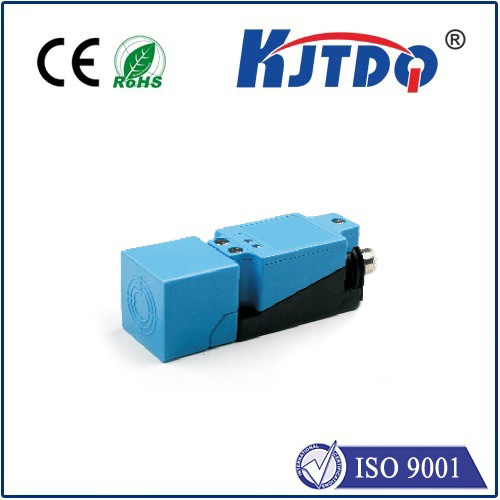
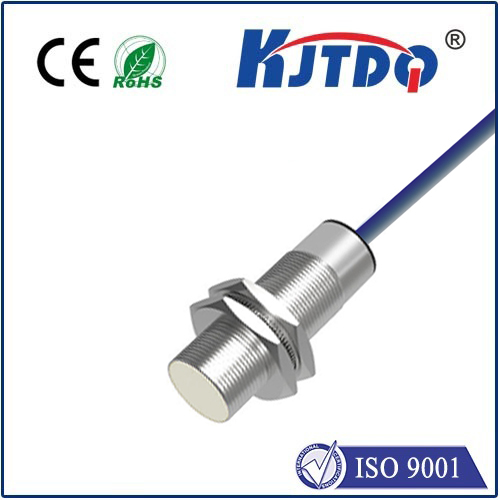
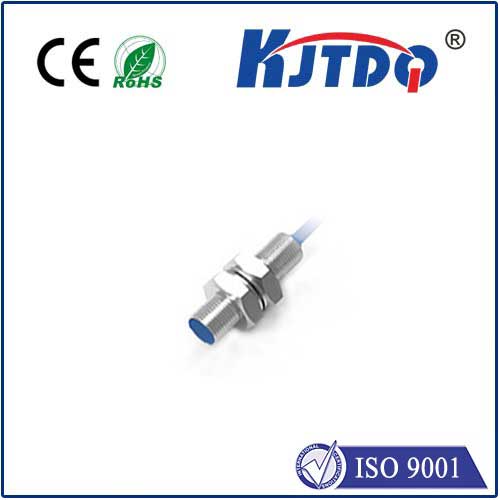
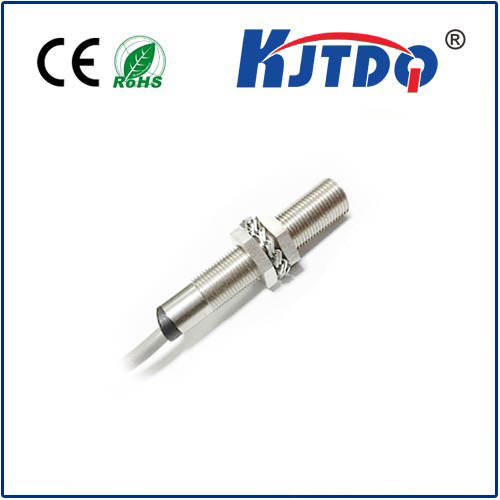
Proximity sensors for robotics are primarily designed to detect the presence or absence of an object within a predefined range. They operate on various principles, including inductive, capacitive, ultrasonic, and optical (infrared) sensing. Inductive sensors are champions in metallic object detection, making them indispensable in manufacturing arms working with metal parts. Capacitive sensors, on the other hand, can detect a wider range of materials, including liquids and plastics, which is crucial for packaging or material handling robots. Ultrasonic sensors use sound waves to measure distance to objects, excelling in challenging environments with dust or vapor, while optical sensors provide high-speed, precise detection for alignment and counting tasks.
The integration of these sensors directly translates to enhanced robotic intelligence and capability. In a collaborative robot (cobot) cell, for instance, capacitive and optical proximity sensors create a dynamic safety zone. They can slow down the robot's arm when a human worker approaches and trigger a full stop upon imminent contact, thereby preventing accidents and fostering a safe human-robot collaboration environment. This application is transforming factory floors, making automation more flexible and adaptive.
Beyond safety, the impact on precision and repeatability is substantial. In precision assembly tasks, such as inserting a microchip onto a circuit board, an inductive proximity sensor ensures the end-effector is precisely positioned before the delicate placement operation begins. This non-contact verification eliminates errors caused by mechanical misalignment or part tolerance variations, drastically reducing scrap rates and improving product quality. Similarly, in automated guided vehicles (AGVs), ultrasonic sensors provide reliable obstacle detection for navigation, ensuring smooth and collision-free material transport across warehouses.
The selection of the right proximity sensor is a nuanced decision. Key parameters include sensing range, response time, environmental robustness (against oils, coolants, or temperature swings), and output type (digital or analog). A sensor with an excessively long range in a cramped workspace might cause false triggers, while one with a slow response time could fail in high-speed pick-and-place applications. Modern sensors now offer advanced features like IO-Link communication, which provides detailed diagnostic data, predictive maintenance alerts, and remote parameter configuration, minimizing downtime and simplifying integration.
Looking forward, the synergy between proximity sensing and emerging technologies like artificial intelligence and machine vision is set to create even smarter robotic systems. Sensors will not only detect presence but also begin to classify objects or assess surface conditions, feeding richer contextual data to the robot's control system. This evolution will enable robots to perform more complex, dexterous tasks in unstructured environments, from logistics to advanced healthcare assistance.
For any organization implementing or upgrading robotic automation, prioritizing high-quality, appropriately specified proximity sensors is a strategic investment. They are the silent guardians that ensure operations are not just faster, but also smarter, safer, and more reliable. By providing robots with this fundamental spatial awareness, we build the foundation for more autonomous, efficient, and collaborative future of work across all industries.