check

check

check

check

check

check
In the heart of modern manufacturing facilities, a silent revolution is underway. It's not driven by massive robotic arms alone, but by a network of sophisticated, intelligent devices that serve as the nervous system of industrial operations: industrial automation sensors. These components are fundamental to the shift towards Industry 4.0 and smart manufacturing, providing the critical data that fuels decision-making, enhances precision, and drives unprecedented levels of efficiency.
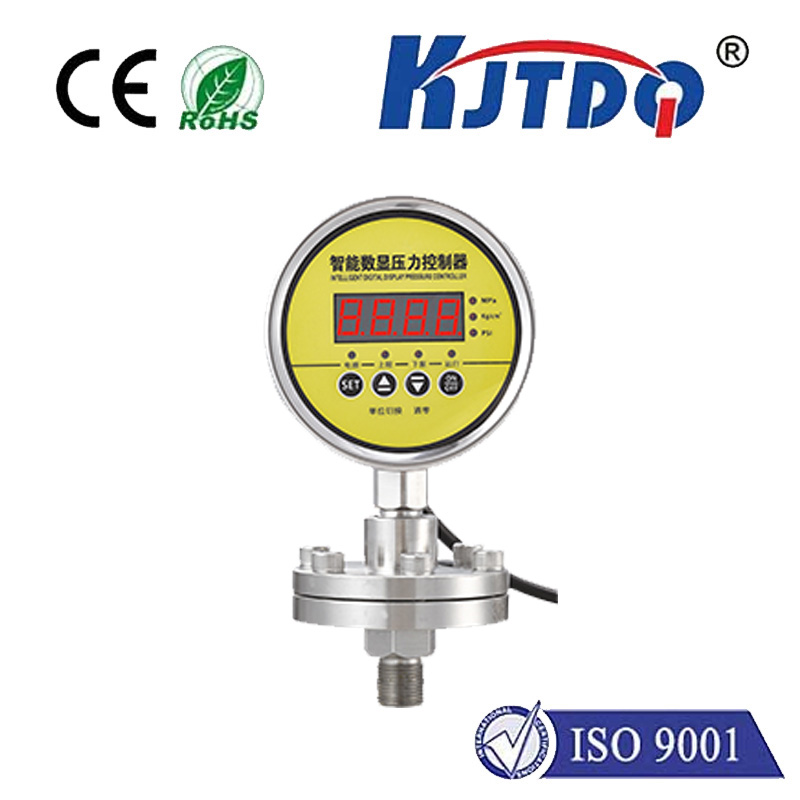
At its core, an industrial automation sensor is a device that detects and measures physical properties—such as temperature, pressure, proximity, position, flow, or vibration—and converts this information into an electrical signal. This signal is then transmitted to a control system, typically a Programmable Logic Controller (PLC) or a supervisory control and data acquisition (SCADA) system. This seamless flow of real-time data is what enables automated processes to function with minimal human intervention. For instance, a photoelectric sensor can detect the presence of an object on a conveyor belt, triggering the next step in the assembly line. A temperature sensor in a chemical reactor can ensure the process stays within safe and optimal parameters, preventing costly deviations or hazardous conditions.
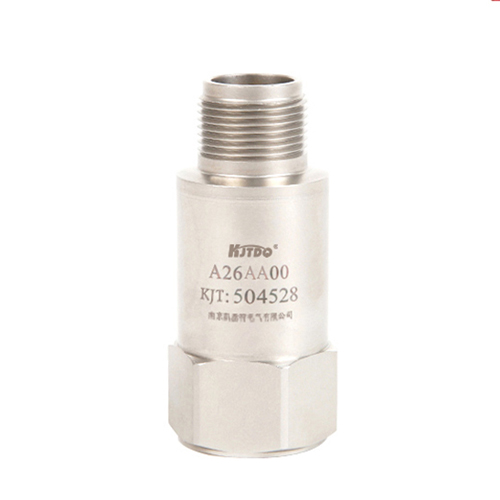
The benefits of deploying a robust sensor network are substantial and multifaceted. Primarily, they lead to a dramatic increase in operational efficiency. By automating monitoring and control, sensors eliminate human error in repetitive tasks, accelerate production cycles, and enable 24/7 operation. This results in higher throughput and optimized resource utilization. Secondly, they are paramount for ensuring consistent, high-quality output. Sensors provide precise, repeatable measurements that manual checks cannot match, guaranteeing every product meets stringent specifications. Furthermore, they play a crucial role in predictive maintenance. Vibration and acoustic emission sensors can monitor the health of critical machinery like motors and pumps, identifying anomalies that signal impending failure. This allows maintenance to be scheduled proactively, avoiding unplanned downtime, which is one of the most significant cost drivers in manufacturing.
Safety is another domain where these sensors prove indispensable. Safety light curtains, area scanners, and pressure-sensitive mats create safe working environments by immediately halting machinery when a human presence is detected in a danger zone. This protects personnel and helps companies comply with rigorous occupational health and safety regulations. From a strategic business perspective, the data harvested from sensors is a goldmine. When analyzed, this data provides deep insights into production trends, bottlenecks, and energy consumption patterns, empowering managers to make data-driven decisions that improve overall equipment effectiveness (OEE) and reduce total cost of ownership.
The landscape of industrial sensors is continuously evolving. Today's sensors are becoming smarter, more connected, and more integrated. The rise of Industrial Internet of Things (IIoT) has given birth to intelligent sensors with built-in microprocessors. These devices can perform initial data processing at the edge—filtering, analyzing, and transmitting only relevant information—which reduces network load and enables faster local responses. Wireless sensor technology is eliminating the cost and complexity of extensive cabling, allowing for more flexible and scalable deployments. Furthermore, advancements in miniaturization and materials science are leading to sensors that can operate in increasingly harsh environments, withstanding extreme temperatures, corrosive chemicals, and high-pressure conditions.
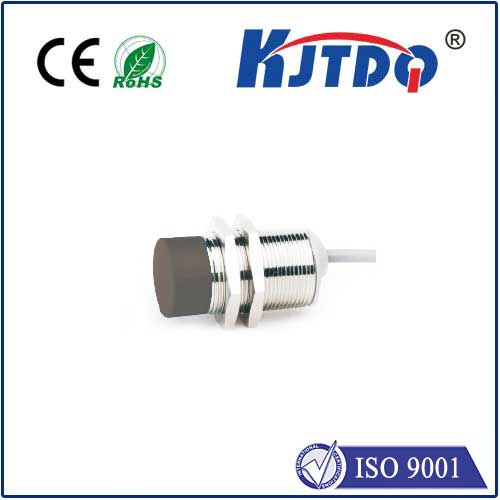
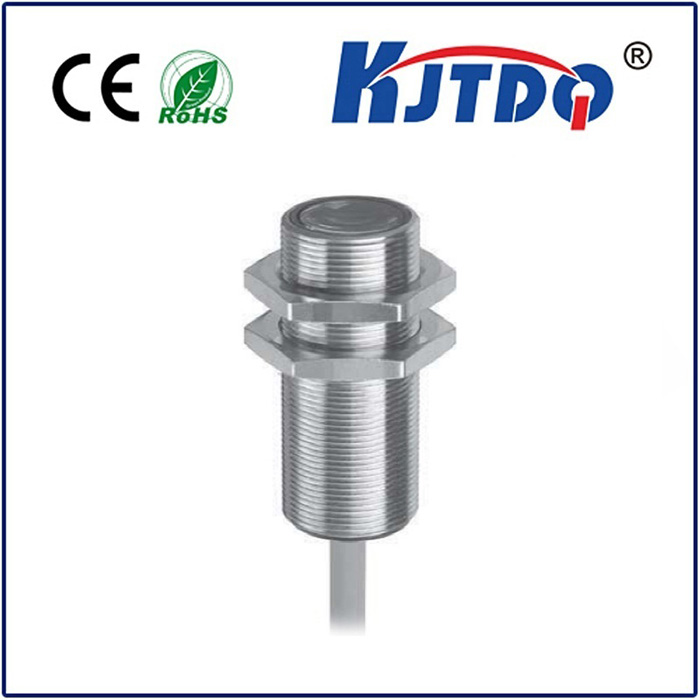
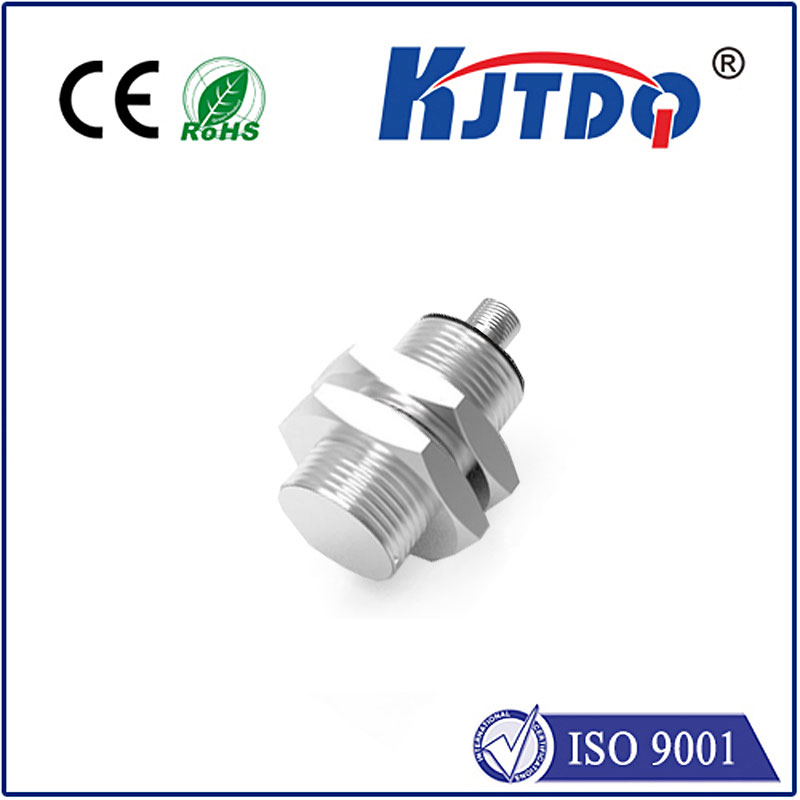
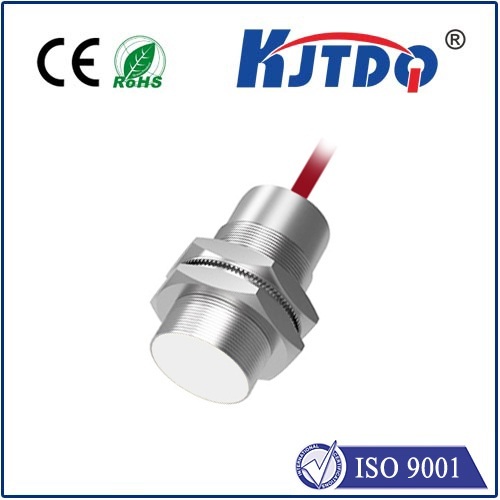
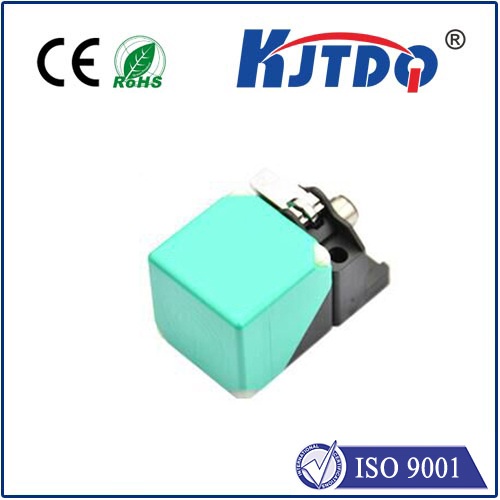
Selecting the right sensor for a specific application requires careful consideration. Engineers must evaluate the measured variable, required accuracy and range, environmental conditions, output signal type, and compatibility with existing control architecture. Common types include proximity sensors (inductive, capacitive), vision sensors, ultrasonic sensors, and laser sensors, each with unique advantages. The integration of these sensors into a cohesive system is equally important. A sensor is only as good as the data it provides and the system that acts upon it. Proper calibration, installation, and network integration are essential to unlock its full potential.
In conclusion, industrial automation sensors are far more than simple detection tools; they are the foundational enablers of intelligent, agile, and competitive manufacturing. They transform raw physical phenomena into actionable intelligence, creating a responsive and self-optimizing production environment. As technology advances, these sensors will become even more integral, driving further innovations in autonomy and efficiency. For any organization on the path to digital transformation, investing in a sophisticated sensor ecosystem is not merely an operational upgrade—it is a strategic imperative to thrive in the future of manufacturing.