check

check

check

check

check

check
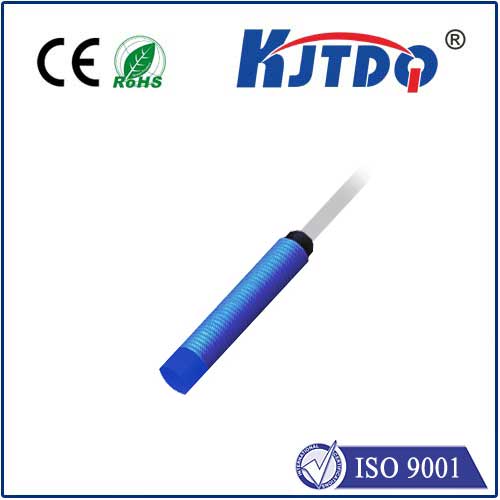
In the heart of modern industrial automation, where reliability is non-negotiable and downtime is the ultimate enemy, the choice of sensing technology becomes a critical business decision. The BES 516-300-S203 High Pressure proximity sensor stands as a testament to engineering excellence, specifically designed to thrive where others falter. This inductive sensor is not merely a component; it is a robust sentinel for hydraulic systems, heavy machinery, and high-pressure applications that demand unwavering performance under extreme physical stress.
The defining characteristic of the BES 516-300-S203 is its exceptional resilience to high-pressure environments. Traditional proximity sensors can suffer from housing deformation or failure when subjected to intense external pressures, leading to inaccurate readings or catastrophic malfunction. The BES 516-300-S203 is engineered with a reinforced stainless-steel housing and a specially designed pressure-resistant front face. This robust construction allows it to operate reliably in applications such as injection molding machines, die-casting equipment, and hydraulic presses, where it is directly exposed to pressures that would compromise standard sensors. Its ability to maintain precise switching characteristics under these conditions ensures consistent process control and safeguards valuable machinery.
Beyond its pressure resistance, this sensor delivers the hallmark precision and reliability expected from high-end inductive technology. With a switching distance of 3mm, it provides accurate and repeatable detection of metallic targets, including steel, aluminum, and brass. The S203 designation indicates a flush-mountable design, allowing for easy installation in metal environments without the need for a safety margin. This feature is crucial for space-constrained installations and enhances its versatility across various mounting scenarios. The sensor incorporates advanced protection circuits, making it immune to short-circuit, reverse polarity, and electromagnetic interference (EMI), which are common culprits of sensor failure in electrically noisy industrial settings.
Operational efficiency is further amplified by the sensor's user-friendly features. It is equipped with a clear LED status indicator, providing instant visual confirmation of its operational state and output switching. This simple feature is invaluable for quick diagnostics and maintenance, reducing troubleshooting time on the factory floor. The BES 516-300-S203 is typically available with a PNP normally open (NO) output configuration, a common standard that ensures easy integration into existing control systems, PLCs, and relay modules without requiring complex interface adaptations.
The practical applications for this sensor are vast and critical. It is the ideal choice for position detection of pistons in hydraulic cylinders, monitoring valve positions in high-pressure fluid systems, and ensuring tool safety in metal-forming presses. In the automotive manufacturing sector, it reliably detects components in high-pressure stamping and casting lines. Within the plastics industry, it performs flawlessly on the clamping units of injection molding machines. Its durability also makes it suitable for harsh environments like offshore platforms or mining equipment, where it must contend with both high pressure and general rugged conditions.
Selecting the BES 516-300-S203 is an investment in long-term operational stability. Its rugged design translates to a significantly extended service life, reducing the frequency of replacements and associated maintenance costs. By providing a fail-safe detection solution in critical high-pressure points, it prevents machine damage, minimizes unplanned production stops, and enhances overall plant safety. For engineers and plant managers seeking a sensor that combines brute-force durability with sophisticated sensing technology, the BES 516-300-S203 High Pressure proximity sensor offers a definitive answer. It is a cornerstone component for building resilient, efficient, and safe automated systems that are built to last.