check

check

check

check

check

check
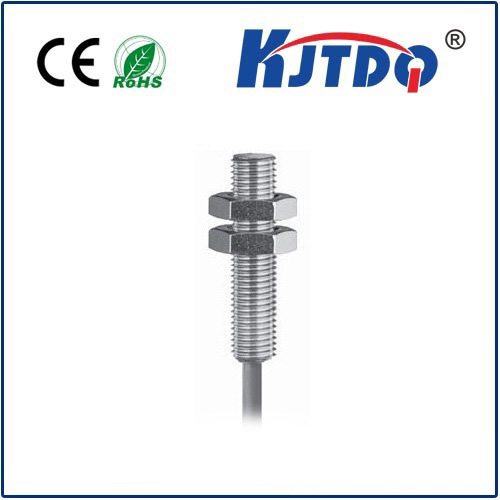
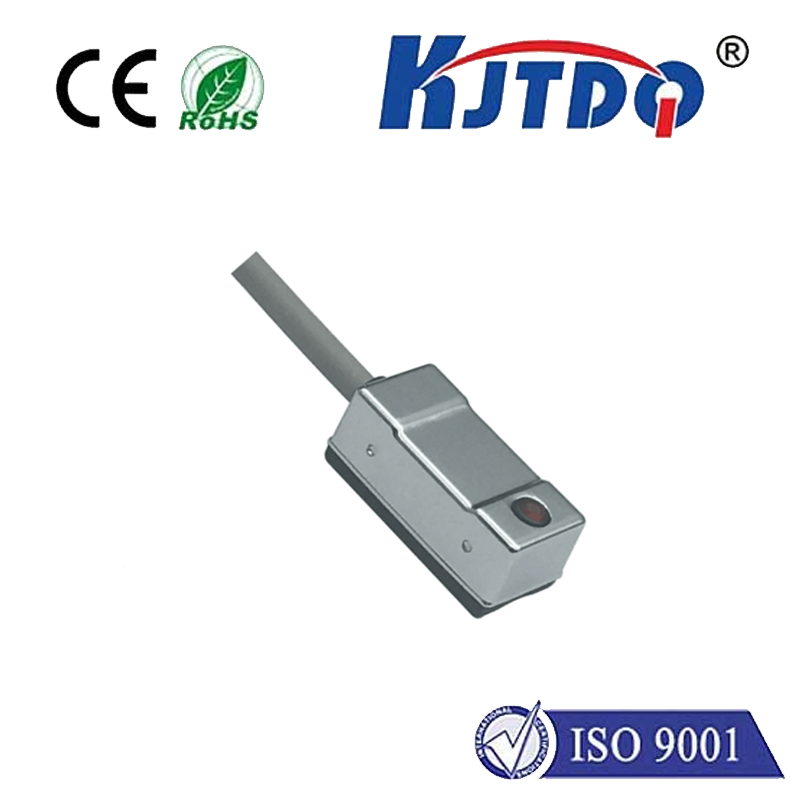
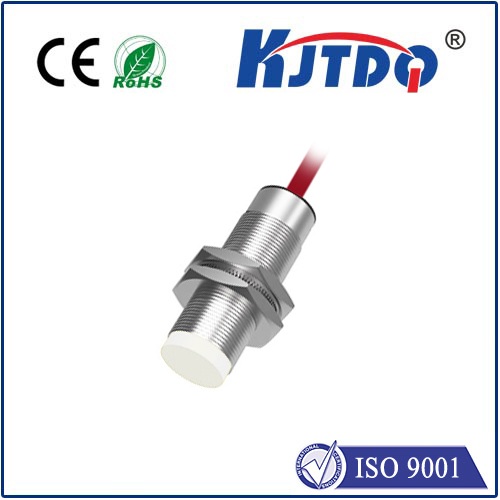
In the world of industrial automation and process control, reliability is not just a feature—it's an absolute necessity. Equipment failure in high-pressure systems can lead to catastrophic downtime, safety hazards, and significant financial loss. This is where the QZ-F-PKH15T and PKH10T High Pressure Proximity Sensors from KJTDQ step into the spotlight, engineered specifically to deliver unwavering performance under the most extreme conditions. Unlike standard sensors that may falter, these robust devices are built to thrive, offering a critical layer of intelligence and protection for machinery and personnel.
The core challenge in high-pressure applications, such as hydraulic systems, injection molding machines, die-casting equipment, and heavy-duty press lines, is the constant exposure to intense physical forces and potential fluid ingress. Standard inductive or capacitive proximity sensors often lack the structural integrity to withstand sustained high pressure, leading to premature failure, signal drift, or complete malfunction. The QZ-F-PKH series is designed from the ground up to conquer this challenge. Its hallmark is an exceptionally rugged stainless steel housing, hermetically sealed to resist the ingress of oil, coolant, and other aggressive media commonly found in industrial settings. This robust construction ensures that the sensor's internal electronics remain completely isolated from the external environment, guaranteeing long-term stability and accuracy.
Precision detection is paramount. The QZ-F-PKH15T and PKH10T sensors provide highly accurate, non-contact detection of metallic targets. This capability is crucial for monitoring piston positions in hydraulic cylinders, confirming mold closures, or detecting the presence of machine parts without physical wear and tear. The non-contact nature of the technology eliminates mechanical failure points associated with limit switches, leading to dramatically reduced maintenance requirements and extended service intervals. Operators can trust the consistent signal output, which is vital for precise cycle control and preventing costly machine crashes or production errors.
Durability is engineered into every component. These sensors are rated for continuous operation under high pressure, often in ranges significantly exceeding those of conventional models. They are built to resist shock, vibration, and the mechanical stresses inherent in heavy industrial operations. Furthermore, they typically feature high-temperature tolerance, allowing them to function reliably in hot environments near engines, furnaces, or processing units. This resilience translates directly into lower total cost of ownership. By reducing unplanned stoppages and the frequency of sensor replacements, the QZ-F-PKH sensors contribute to smoother production flow and higher overall equipment effectiveness (OEE).
Installation and integration are straightforward, designed with the technician in mind. Many models in this series come with versatile mounting options, such as robust threaded barrels, allowing for secure installation directly into high-pressure blocks or manifolds. The electrical connections are designed for industrial environments, often featuring sealed connectors or cable glands to protect the wiring from moisture and debris. Compatibility with standard PLC (Programmable Logic Controller) inputs makes them easy to integrate into existing control systems without requiring complex adapters or programming overhead.
Safety and efficiency go hand in hand. By providing reliable feedback on machine state and component position, these sensors are integral to automated safety interlocks. They can prevent a machine from cycling if a guard is open or a component is out of position, protecting both the equipment and the workforce. This proactive monitoring enhances overall plant safety protocols. From automotive manufacturing lines to metal forming presses and offshore drilling equipment, the applications for the KJTDQ QZ-F-PKH high-pressure proximity sensors are vast and varied.
Selecting the right sensor is critical. The difference between the PKH15T and PKH10T models often lies in specific technical specifications such as sensing distance, pressure rating, output type (e.g., PNP or NPN), or connection style. Consulting the detailed technical datasheets or speaking with an application engineer is recommended to match the sensor precisely to the operational pressure, temperature, target material, and electrical requirements of the specific application.
In conclusion, for engineers and maintenance managers seeking to eliminate a common point of failure in high-pressure systems, the KJTDQ QZ-F-PKH15T and PKH10T High Pressure Proximity Sensors present a formidable solution. They represent a strategic investment in operational resilience, moving beyond being a simple component to becoming a cornerstone of reliable and safe industrial automation. By ensuring accurate detection where it matters most, they empower industries to push the boundaries of productivity without compromising on equipment integrity or personnel safety.