check

check

check

check
check
check
check
check

check

check
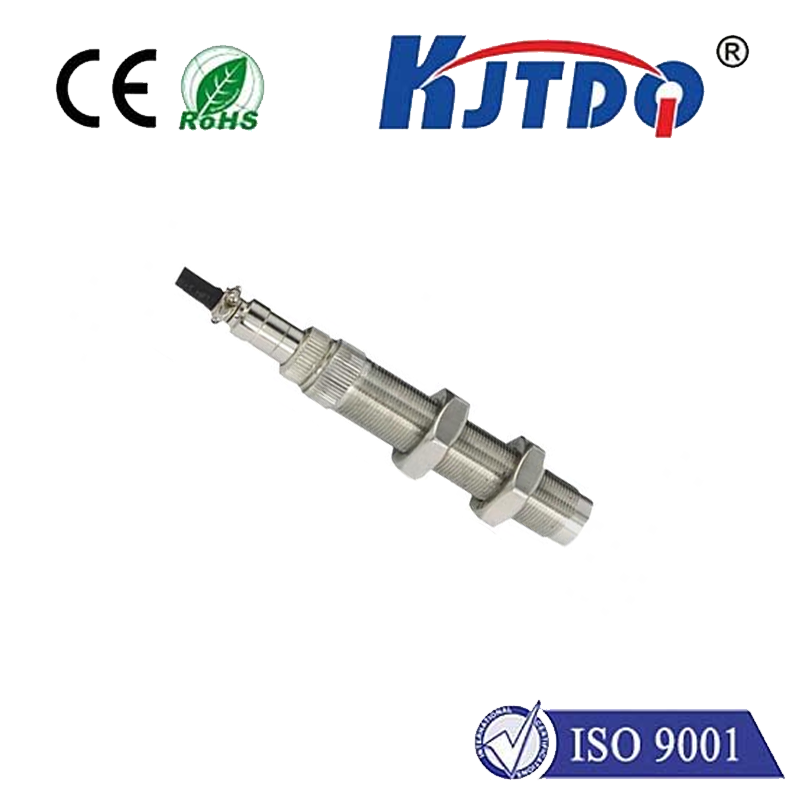
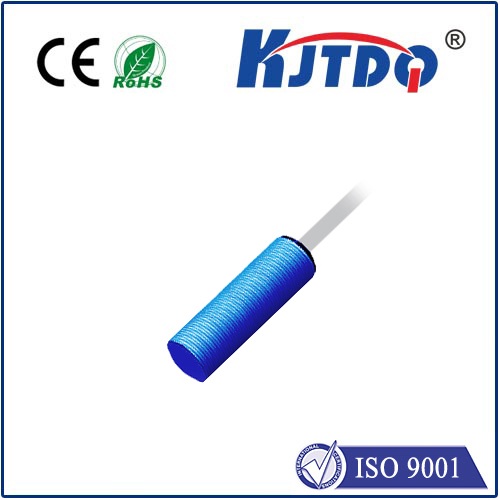
In the heart of modern industrial automation, where machinery operates under extreme pressures and in unforgiving conditions, the reliability of every component is paramount. Sensor failure in such environments is not merely an inconvenience; it can lead to costly downtime, compromised safety, and significant production losses. This is where specialized components like the KNYT1.8-M12-PAH-93 High Pressure Proximity Sensor prove their indispensable value. Engineered to thrive where standard sensors falter, this device represents a critical advancement in sensing technology for high-pressure applications.
The defining challenge in many hydraulic systems, die-casting machines, plastic injection molding equipment, and heavy-duty press lines is the intense ambient pressure. Conventional inductive proximity sensors, while excellent for general purposes, can suffer from housing deformation or seal failure when subjected to external pressures exceeding their design limits. The KNYT1.8-M12-PAH-93 is specifically constructed to counteract these forces. Its robust stainless steel housing is not just for physical protection; it is meticulously designed to withstand substantial external pressure, ensuring the internal electronics remain completely isolated and functional. The “PAH” designation often correlates with this high-pressure resistance capability, making it a preferred choice for engineers specifying equipment for challenging installations.
Beyond its pressure resilience, the sensor boasts a precise sensing distance of 1.8 mm. This short-range, non-contact detection is ideal for applications requiring exact positioning or presence verification of metal targets in confined spaces. The M12 connector is a global industry standard, offering quick, secure, and reliable connectivity that simplifies installation and maintenance procedures, reducing wiring errors and field service time. Its compact form factor allows for integration into machinery where space is at a premium, a common scenario in densely packed automated cells.
The operational benefits of deploying the KNYT1.8-M12-PAH-93 are substantial. First and foremost is enhanced system reliability. By eliminating a common point of failure, it increases the overall mean time between failures (MTBF) for the machinery. This reliability translates directly into improved operational efficiency and reduced total cost of ownership, as unplanned stoppages are minimized. Furthermore, its durability ensures consistent performance, providing stable and repeatable signal output that control systems depend on for precise cycle timing and process control. In processes involving high-pressure fluids or gases, this sensor’s robustness also contributes to enhanced workplace safety by providing a dependable monitoring point that is less likely to leak or fail catastrophically.
Real-world applications are diverse and demanding. In hydraulic power units, it can be used to monitor piston position or valve actuation directly within high-pressure zones. Within the mold of an injection molding machine, it can reliably detect the end-of-fill position despite the immense clamping forces and internal pressures. On automated press lines, it ensures tooling is correctly positioned before a high-tonnage stamping cycle begins. In each case, the sensor performs a critical function in an environment characterized by vibration, potential fluid ingress, and significant mechanical stress.
Selecting the right sensor for high-pressure environments requires careful consideration. Key specifications to verify include the maximum external pressure rating, the housing material and its IP (Ingress Protection) rating for dust and liquid resistance, the operating temperature range, and the output type (e.g., PNP or NPN) to ensure compatibility with the existing control system. The KNYT1.8-M12-PAH-93 is designed to meet stringent requirements across these parameters, offering a blend of precision, resilience, and industry-standard interfacing.
For maintenance and engineering teams, the advantages are practical. The sensor’s standardized design allows for easy replacement if necessary, and its proven durability means fewer change-outs and less inventory to manage. When integrating such a sensor, following manufacturer guidelines for installation—particularly regarding mounting, torque specifications, and cable strain relief—is crucial to achieving its full performance potential and rated lifespan.
In conclusion, the KNYT1.8-M12-PAH-93 is far more than just another proximity sensor. It is a purpose-built industrial component that addresses a specific and severe operational challenge. By providing unwavering detection capability in high-pressure environments, it safeguards productivity, protects capital equipment, and supports the seamless operation of complex automated systems. For any application where pressure is a constant factor, specifying a sensor of this caliber is not an upgrade—it is an essential requirement for robust and reliable automation.