check

check

check

check

check

check
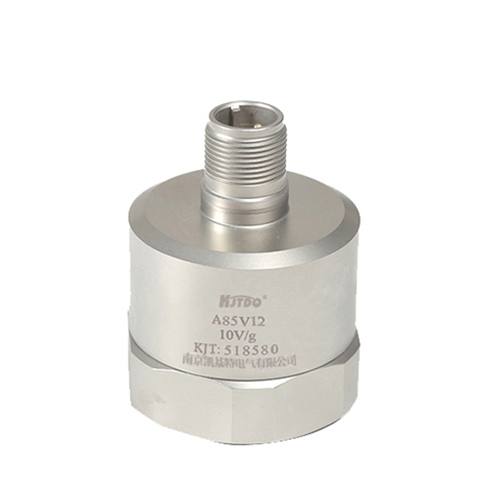
In the world of industrial automation and process control, reliability is not just a feature—it's an absolute necessity. Equipment must perform flawlessly under extreme conditions, from intense vibrations and temperature fluctuations to exposure to corrosive substances and high-pressure washdowns. This is where the BHS0032 BES 516-300-S262-S4-D High Pressure Proximity Sensor steps in, engineered to be the cornerstone of resilience in your most critical applications.
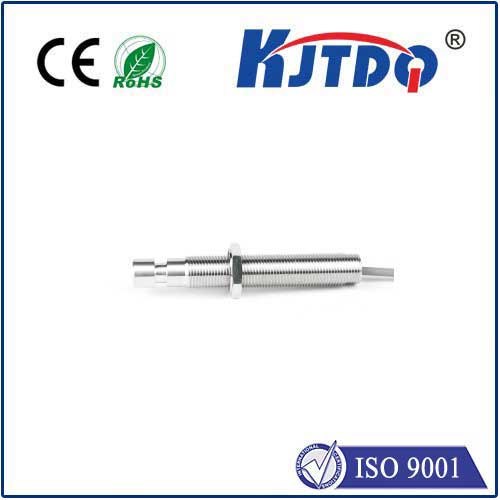
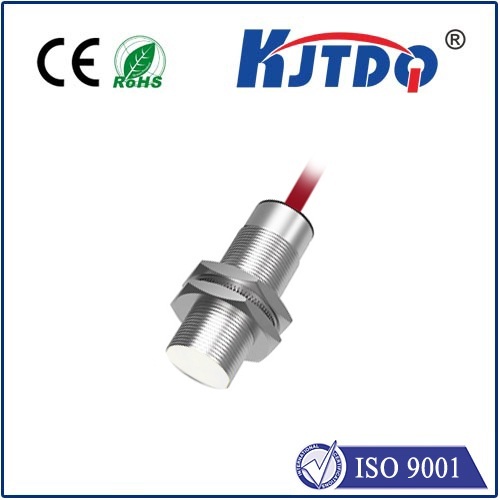
The BHS0032 sensor is specifically designed to operate in environments where standard inductive sensors would fail. Its defining characteristic is its robust housing, capable of withstanding pressures up to 500 bar. This makes it an indispensable component in hydraulic systems, high-pressure testing rigs, die-casting machines, and offshore drilling equipment. The sensor doesn't merely survive these conditions; it delivers consistent, precise detection of metallic targets without compromise. The heart of its operation is a fully encapsulated, pressure-resistant sensing face. This design ensures that the internal electronics, including the oscillator, evaluator, and output switching circuit, are completely isolated from external mechanical stress and media ingress. The result is an exceptionally long service life and minimal downtime, even when subjected to the punishing forces found in heavy machinery and fluid power systems.
Beyond its pressure rating, the BES 516-300-S262-S4-D variant offers a specific set of technical specifications tailored for industrial integration. The "S262" designation typically refers to a particular housing style and connection type—in this case, a sturdy M30 housing with a 4-pin M12 connector, providing secure electrical connectivity. The "S4" often indicates a normally open (NO) switching function, while "D" signifies a DC (P-N-P) output. This sensor provides a sensing range suitable for its housing size, ensuring reliable detection of pistons, cylinders, valve positions, or other machine parts. Its switching frequency is optimized for fast-moving processes, and it features comprehensive protection against short-circuit, overload, and reverse polarity, safeguarding both the sensor and the control system.
The practical benefits for engineers and plant managers are substantial. First and foremost is enhanced system safety. Accurate position feedback in high-pressure hydraulic circuits is critical for preventing machine failures and potential hazards. The sensor's durability translates directly into reduced maintenance costs and inventory needs, as there is less frequent need for replacement compared to standard sensors. Its high ingress protection (IP) rating, often IP67 or higher, allows it to be used in wet and dusty environments common in food and beverage processing, mining, and automotive manufacturing. Installation is straightforward due to its standardized form factor, and its LED status indicator provides immediate visual confirmation of operation and switching state, simplifying troubleshooting.
When selecting a proximity sensor for a high-pressure application, the BHS0032 model presents a compelling case. It bridges the gap between the need for sensitive electronic detection and the harsh realities of industrial physics. Its construction follows stringent quality standards, ensuring batch-to-batch consistency and reliability. For original equipment manufacturers (OEMs) building machinery for the oil and gas, metal forming, or plastic injection molding industries, integrating this sensor means building a reputation for machine robustness. For end-users in facility maintenance, it means achieving higher overall equipment effectiveness (OEE) through fewer unplanned stops.
In conclusion, the KJTDQ BHS0032 BES 516-300-S262-S4-D is more than just a component; it is a strategic investment in operational continuity. It addresses the core challenge of obtaining reliable data from the most aggressive points in a production line or mobile hydraulic system. By choosing a sensor engineered for high-pressure endurance, businesses secure not only their processes but also their productivity and safety benchmarks, ensuring that detection remains the most reliable link in the chain of automation.