check

check

check

check

check

check
In the world of CNC machining, precision and safety are paramount. One critical component that safeguards both the machine and the operator is the limit switch. When using GRBL, the popular open-source firmware for controlling CNC machines, understanding the "GRBL limit switch status" is not just a technical detail—it's a fundamental aspect of reliable operation. This status acts as the machine's nervous system, providing real-time feedback on its physical boundaries.
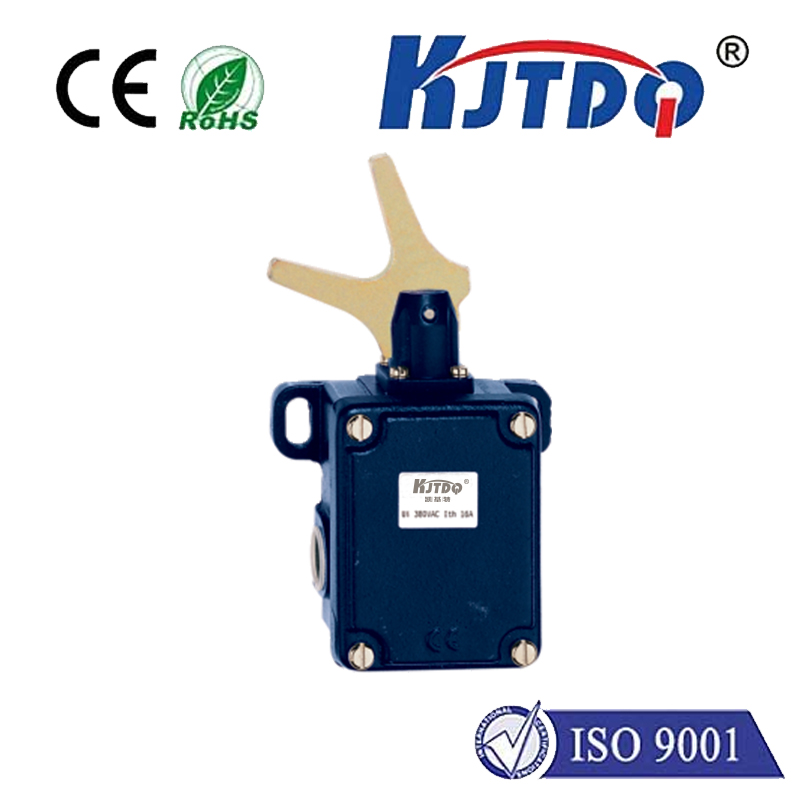
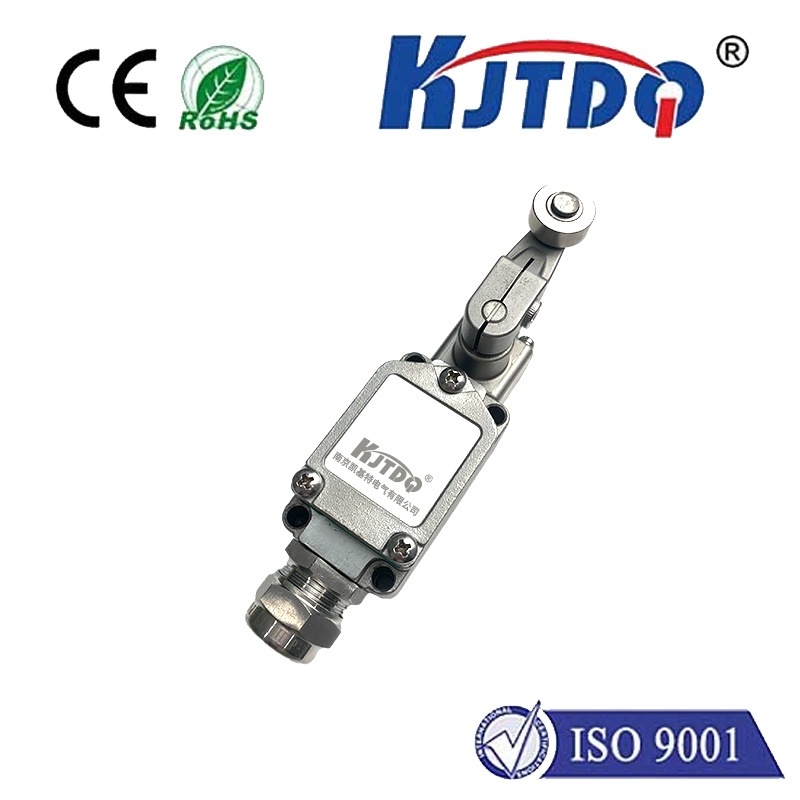
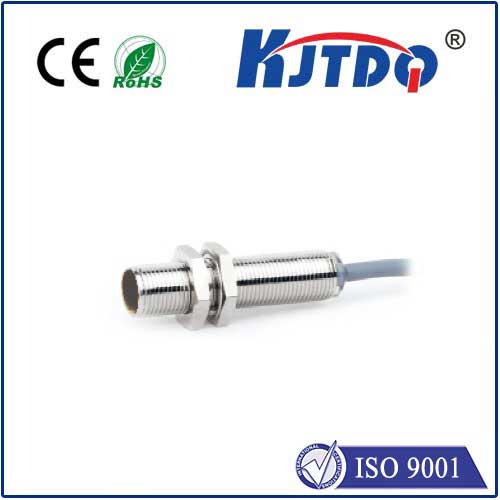
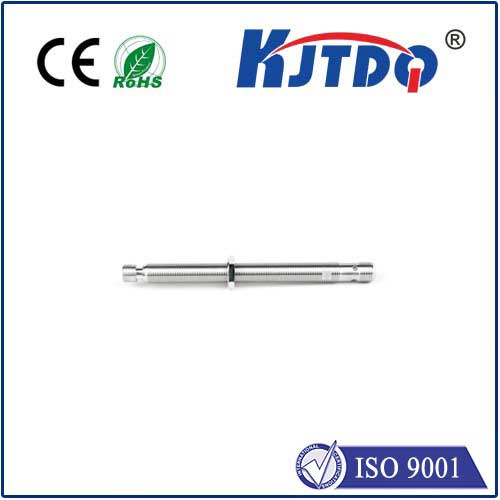
A limit switch is a simple electromechanical device positioned at the extremities of a machine's travel on each axis (X, Y, and Z). Its primary function is to detect when the machine's moving parts, like the spindle or gantry, reach a predefined physical limit. When triggered, it sends an electrical signal to the GRBL controller. GRBL's firmware is continuously monitoring the state of these switches. The "limit switch status" refers to the current condition reported by GRBL: whether the switches are in their normal (open) state or have been activated (closed/triggered).
Why is monitoring this status so crucial? First and foremost, it prevents catastrophic collisions. Without functional limit switches, a machine could drive its stepper motors beyond their mechanical range, leading to damaged lead screws, bent rails, or a crashed spindle. Secondly, it enables accurate homing sequences. The homing routine involves moving each axis until its limit switch is triggered, establishing a known, repeatable reference point (machine zero). If GRBL reports an incorrect or unexpected limit status during homing, the process will fail, and the machine's coordinate system will be unreliable.
A common point of confusion arises from the different states GRBL reports. Typically, you might check the status via a controller interface like Universal G-code Sender (UGS) or CNCjs. A normal, untriggered state is often indicated as "ok" or a specific pin status like "Pin:AL". When a limit switch is triggered, GRBL will immediately enter an "ALARM" state, specifically a "Hard limit" alarm. The machine will stop all motion, and you will see a status message like[MSG:Reset to continue]. This is GRBL's failsafe mechanism in action. It is vital not to ignore this alarm. Simply resetting GRBL without physically moving the machine off the limit switch will cause it to re-trigger immediately.
Troubleshooting issues with the limit switch status is a common task. If GRBL shows a persistent limit trigger alarm even when the machine is nowhere near the limits, you likely have a wiring problem. This could be a short circuit, a broken wire, or a faulty switch. Check all connections from the switch to the controller board. Another frequent issue is noise or electrical interference, which can cause false triggering. Using shielded cables, adding ferrite beads, or implementing a pull-up resistor circuit as recommended in the GRBL wiring diagrams can dramatically improve signal integrity. Always ensure your switches are properly aligned and making solid contact when activated.
For advanced users, GRBL offers configuration settings ($ commands) related to limit switches. The homing cycle is enabled with$22=1. The homing direction and pull-off distance are also configurable, allowing you to fine-tune the homing routine for your specific machine geometry. Understanding these settings allows you to optimize the interaction between the physical switches and GRBL's software logic.
In conclusion, the GRBL limit switch status is a vital diagnostic and safety tool. It is the direct communication line between the physical constraints of your CNC machine and the intelligent GRBL controller. Regularly verifying that your limit switches are functioning correctly—by manually triggering them and observing the status change in your control software—should be part of your standard machine maintenance. By paying close attention to this status, you ensure not only the longevity of your valuable equipment but also the consistent accuracy of every part you produce. A machine that reliably knows its limits is a machine you can trust.