check

check

check

check

check

check
In the realm of industrial automation, precision control and operational safety are paramount. The Fuji Limit Switch stands as a critical component in achieving these goals, serving as a reliable sentinel for machinery and processes. This device, often overlooked in the grand scheme of automation systems, plays an indispensable role in monitoring the position or movement of equipment, ensuring that operations halt or proceed only within predefined safe parameters.
A limit switch is essentially an electromechanical device that consists of an actuator mechanically linked to a set of contacts. When an object, often called the target, makes physical contact with the actuator, it triggers the switch to change the state of its electrical contacts. This action can either complete or interrupt an electrical circuit, sending a signal to a control system like a PLC (Programmable Logic Controller). The Fuji brand, renowned for its quality and durability in electrical components, manufactures limit switches that are engineered for robustness and longevity even in harsh industrial environments characterized by dust, moisture, vibration, and extreme temperatures.
The applications of Fuji Limit Switches are vast and varied. In conveyor systems, they detect the presence or absence of items, ensuring smooth material handling and preventing jams. In automated assembly lines, they verify the correct positioning of parts before a subsequent operation, such as welding or painting, commences. On machine tools, they define the precise travel limits of moving parts like tool heads or tables, preventing over-travel that could cause catastrophic damage. Elevators and hoists rely on them for safe positioning at floor levels. Essentially, wherever there is a need to monitor a physical position or limit mechanical motion, a reliable limit switch like those from Fuji is deployed.
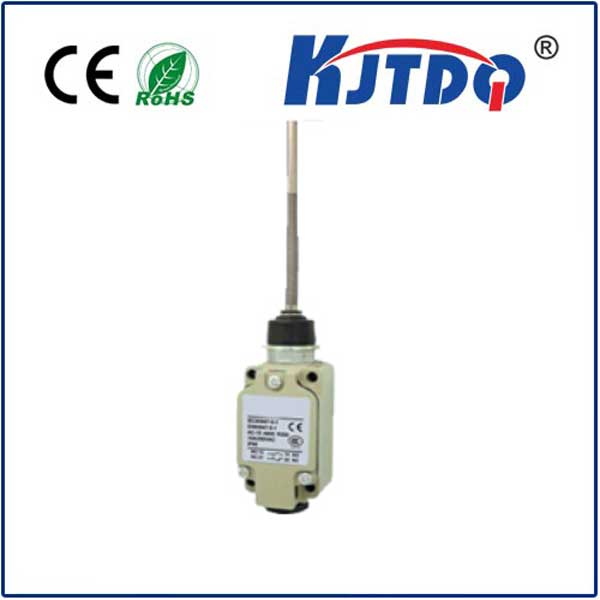
What sets Fuji Limit Switches apart is their design philosophy focused on reliability and adaptability. They are available in various housing materials, such as durable metal or corrosion-resistant plastic, to suit different environmental conditions. The actuators come in multiple forms—lever arms, roller levers, push plungers, and whisker types—allowing for optimal interaction with the target object. The electrical contacts are designed for high repeatability and a long mechanical life, often rated for millions of cycles. This ensures minimal downtime and maintenance, a crucial factor for continuous production facilities.
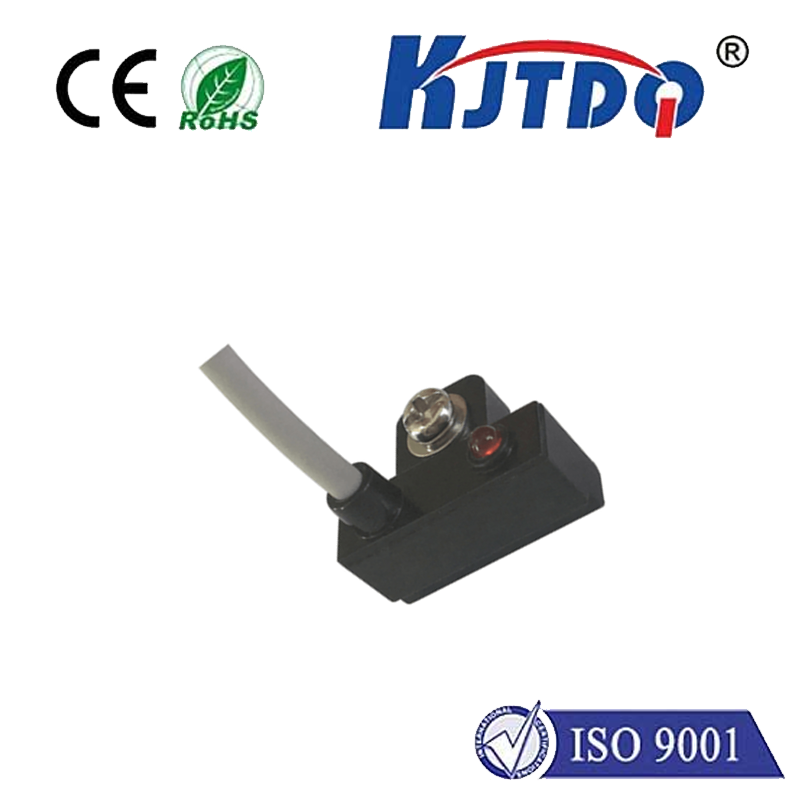
Furthermore, modern Fuji Limit Switches often incorporate enhanced features. Sealed models offer high ingress protection (IP) ratings, making them suitable for washdown areas in food processing or outdoor applications. Some variants include LED indicators for quick visual status confirmation, aiding in troubleshooting. Their compatibility with various voltage standards and easy mounting options facilitate integration into both new and existing control panels and machinery.
The integration of a Fuji Limit Switch into a control system is straightforward, yet its impact is profound. By providing a simple, direct, and fail-safe method of converting mechanical motion into an electrical control signal, it forms a fundamental layer of safety interlocking. It helps prevent equipment damage, protects products from defects, and, most importantly, safeguards personnel by ensuring machines operate only within their intended safe zones. In an era where automation is advancing rapidly, the foundational role of dependable components like limit switches cannot be overstated. They are the unsung heroes that provide the basic feedback necessary for intelligent, safe, and efficient automated operations.
Choosing the right limit switch requires consideration of factors like the operating environment, the type of actuator needed, the required electrical specifications, and the physical size constraints. Fuji's range provides solutions across this spectrum, backed by a reputation for quality that engineers and maintenance professionals have trusted for decades. Regular inspection and testing of these switches are part of standard preventive maintenance routines, ensuring they continue to perform their critical function reliably over time.
In conclusion, while the technology in automation grows increasingly complex with sensors, vision systems, and IoT connectivity, the electromechanical limit switch remains a cornerstone of machine safety and control. The Fuji Limit Switch exemplifies this enduring principle, offering a blend of simple mechanical action, electrical reliability, and rugged construction. It is a key component that quietly but assuredly contributes to the precision, efficiency, and safety of countless automated processes worldwide, from manufacturing plants to material handling facilities, ensuring that movements are controlled and limits are respected.