check

check

check

check

check

check
In industries where flammable gases, vapors, or combustible dusts are present, every component must be meticulously chosen to prevent catastrophic incidents. Among these critical components, micro switches play a surprisingly vital role in control and safety systems. Specifically, ATEX micro switches are engineered to operate reliably in these high-risk zones, ensuring both operational continuity and, most importantly, personnel safety. This guide delves into the world of these specialized switches, explaining their importance, how they work, and key considerations for selection.
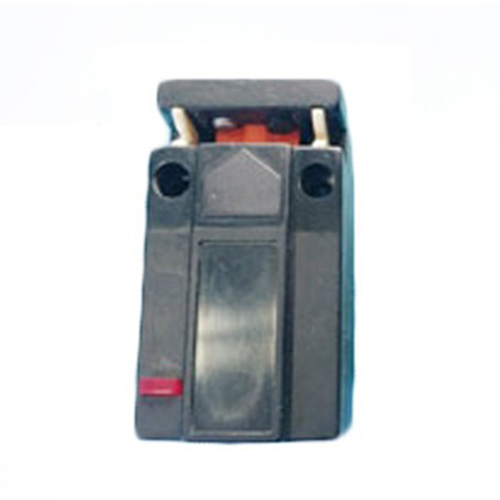
The term "ATEX" originates from the French "ATmosphères EXplosibles." It refers to two European Union directives that govern equipment and protective systems intended for use in potentially explosive atmospheres. An ATEX certification is not a mere suggestion; it is a legal requirement for equipment used within the EU and is a globally recognized benchmark for safety. An ATEX micro switch, therefore, is a micro switch that has been designed, tested, and certified to prevent it from becoming an ignition source. A standard micro switch, with its internal spring mechanism and electrical contacts arcing during operation, could easily spark and ignite a surrounding hazardous atmosphere. ATEX micro switches eliminate this risk through robust containment and design.
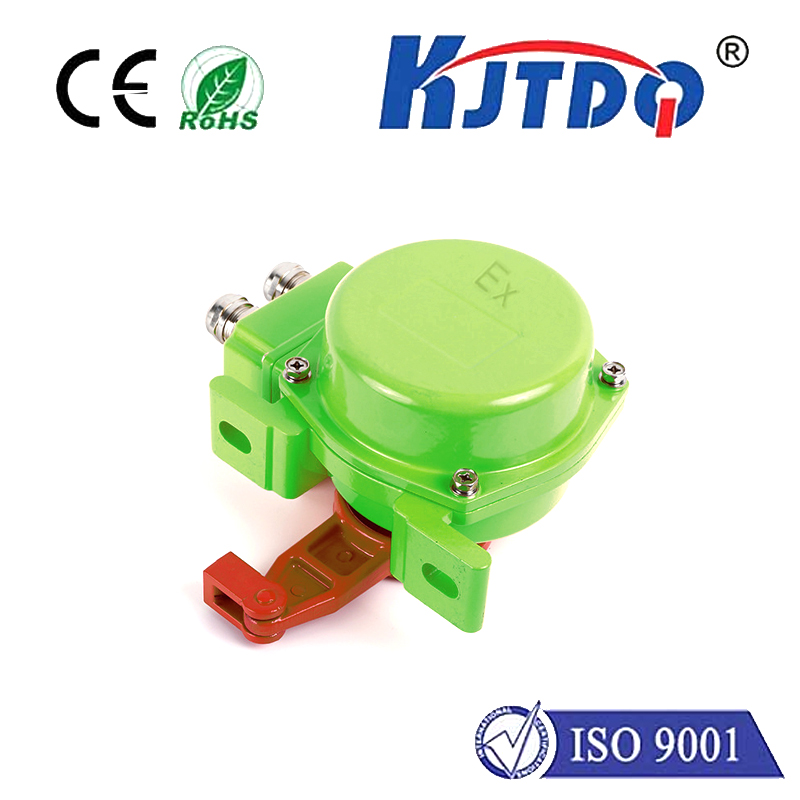
The engineering behind these switches focuses on several key principles. The primary method is containment. The switch enclosure is constructed from durable, often metallic, materials that can withstand an internal explosion without rupturing. This means that if a spark occurs inside the switch due to contact operation, the flame and pressure are completely contained within the sealed housing, preventing any propagation to the external hazardous environment. Additionally, the design ensures that the surface temperature of the switch remains below the ignition temperature of the specific gas or dust group it is certified for. This is achieved through careful material selection and thermal management.
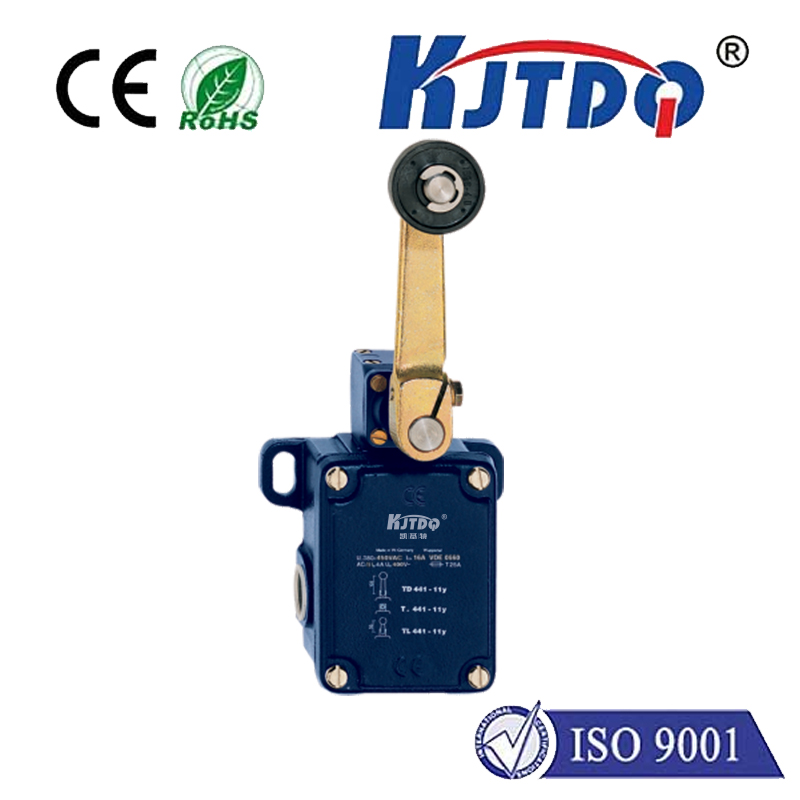
Another critical aspect is the prevention of dust ingress. For environments with combustible dust (designated as Zone 20, 21, or 22), switches must have a high Ingress Protection (IP) rating, such as IP66 or IP67, ensuring that fine particles cannot enter the enclosure and cause malfunctions or internal heating. The actuation mechanism—the lever, roller, or button—is also designed to be robust and reliable under harsh conditions, resisting corrosion from chemicals or moisture commonly found in industrial settings like oil and gas platforms, chemical processing plants, grain silos, and pharmaceutical manufacturing facilities.
Selecting the right ATEX micro switch requires careful attention to its certification label. This label specifies crucial parameters: the Equipment Group (I for mining, II for surface industries), the Equipment Category (1 for constant hazard, 2 for likely hazard, 3 for occasional hazard), and the specific Gas (G) or Dust (D) atmosphere it is approved for, along with temperature class. For instance, a marking of "II 2G Ex db IIC T6 Gb" indicates a switch for surface industries, in Zone 1 hazardous gas areas, with an explosion-proof enclosure, suitable for hydrogen gas atmospheres, and with a very low surface temperature. Matching these specifications precisely to the documented zone classification of your installation site is non-negotiable for compliance and safety.
Beyond certification, practical application factors are paramount. Consider the electrical rating (voltage and current), the mechanical life expectancy (number of operations), the type of actuator needed for the application, and the physical size for installation constraints. Leading manufacturers offer a range of options, from compact designs for limited spaces to heavy-duty versions with long levers for precise positioning control on machinery.
The benefits of using properly certified ATEX micro switches extend far beyond regulatory compliance. They provide unparalleled peace of mind, knowing that a simple limit switch on a valve, a door interlock on a control panel, or a position sensor on a conveyor will not compromise the entire facility's safety. They enhance system reliability, reducing unplanned downtime caused by switch failure in tough conditions. This reliability translates directly into operational efficiency and cost savings by preventing production halts and avoiding the immense costs associated with safety incidents.
In conclusion, ATEX micro switches are not just another component; they are a fundamental pillar of intrinsic safety in hazardous area engineering. Their specialized design and rigorous certification process make them indispensable for any application where explosive atmospheres are a risk. Specifying and installing the correct ATEX micro switch is a critical decision that safeguards assets, protects human lives, and ensures the smooth, continuous operation of vital industrial processes. Always consult with certified safety engineers and reputable suppliers to ensure your selections meet the exact demands of your hazardous environment.