check

check

check

check

check

check
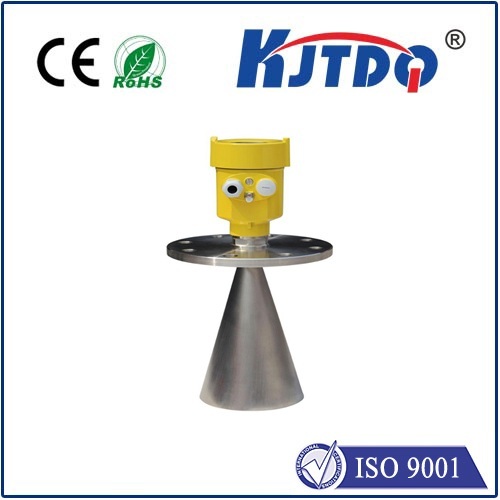
In industrial automation and process control, the level limit switch plays a crucial role in ensuring operational safety, preventing overflow or dry running, and maintaining consistent production quality. This device, often referred to as a level sensor or level control switch, is designed to detect the presence or absence of materials—such as liquids, powders, or granular substances—at predetermined points within tanks, silos, or other containers. By providing reliable high-level or low-level alerts, it helps automate processes, reduce manual intervention, and minimize the risk of equipment damage or hazardous incidents.
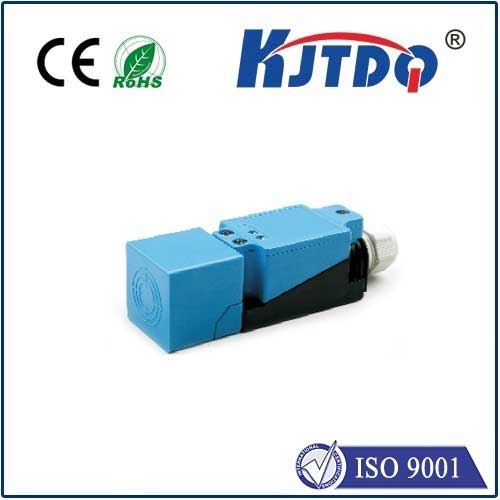
The working principle of a level limit switch varies based on its type. Common technologies include float-based switches, which use a buoyant mechanism to trigger an electrical contact when the liquid level rises or falls; capacitive switches, which detect changes in capacitance caused by material proximity; and ultrasonic switches, which emit sound waves to measure distance to the material surface. Each type offers distinct advantages depending on the application environment—for instance, float switches are cost-effective for simple liquid control, while capacitive switches excel in handling corrosive or adhesive substances without direct contact.
Industries such as chemical processing, water treatment, food and beverage, and pharmaceuticals rely heavily on level limit switches to maintain precise control over storage and production vessels. In a chemical plant, for example, a high-level switch can prevent dangerous overfilling of reactive liquids, while a low-level switch can alert operators to refill raw materials before a process is disrupted. This not only safeguards infrastructure but also enhances efficiency by enabling continuous, uninterrupted operations.
When selecting a level limit switch, factors like material compatibility, temperature and pressure ranges, installation requirements, and output signals must be considered. Modern switches often feature robust housings made from stainless steel or plastics resistant to harsh conditions, along with options for analog or digital outputs to integrate with PLCs (Programmable Logic Controllers) or SCADA (Supervisory Control and Data Acquisition) systems. Regular maintenance, including calibration and inspection for wear or contamination, ensures long-term reliability and accuracy.
Beyond basic functionality, advanced level limit switches incorporate smart features such as self-diagnostics, adjustable sensitivity, and fail-safe mechanisms. These innovations contribute to Industry 4.0 initiatives, where real-time data from sensors optimizes predictive maintenance and resource management. By investing in high-quality level limit switches, companies can achieve greater operational transparency, reduce downtime, and comply with stringent safety regulations.
In summary, the level limit switch is a fundamental component in industrial automation, bridging the gap between manual monitoring and fully automated control systems. Its ability to provide timely, accurate level detection makes it indispensable for preventing spills, conserving materials, and protecting both equipment and personnel. As technology evolves, these devices continue to advance, offering more precise and adaptable solutions for diverse industrial challenges.