check

check

check

check

check

check
In the world of automation and motion control, precision, reliability, and safety are non-negotiable. Whether you're designing a sophisticated medical device, automating a window in a smart home, or controlling an antenna position on a vehicle, the actuator you choose is the heart of the system. Among the various options available, the 12 volt actuator with an integrated limit switch stands out as a remarkably versatile and intelligent solution. This combination offers a perfect blend of low-voltage safety, straightforward integration, and built-in protection that makes it a preferred choice for engineers, hobbyists, and OEMs alike.
The core appeal of a 12-volt DC power system is its inherent safety and ubiquity. Unlike higher voltage systems that require specialized wiring, certifications, and pose greater safety risks, a 12V system is commonly found in automotive, marine, RV, and off-grid solar applications. This makes sourcing power simple and safe. You can easily run it from a standard car battery, a dedicated 12V power supply, or even a solar-charged battery bank. This low-voltage operation significantly reduces the risk of electrical shock during installation and maintenance, allowing for more flexible and user-friendly designs, especially in consumer-facing products.
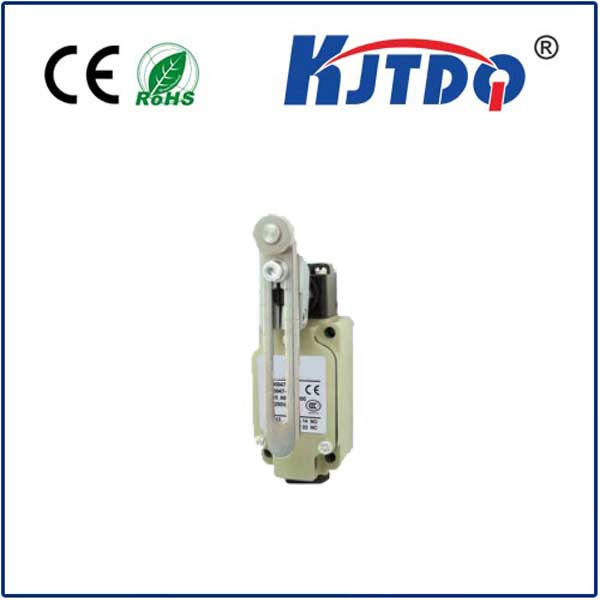
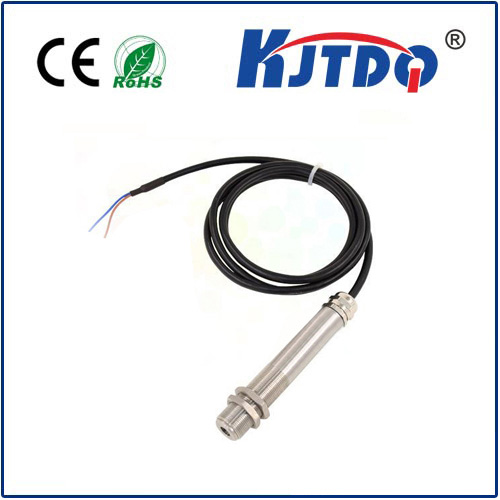
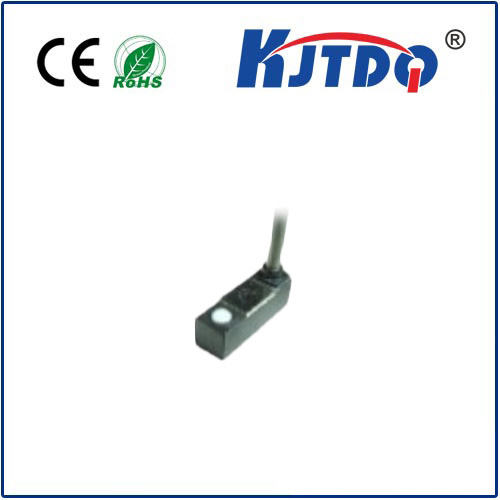
However, the true genius of this setup lies in the integration of the limit switch. An actuator is a device that converts electrical energy into linear or rotary motion. Without a control mechanism, it would simply push or pull until it stalls, potentially causing damage to itself, the load it's moving, or the surrounding structure. This is where the limit switch becomes critical. A limit switch is a sensor that detects the physical presence or position of an object—in this case, the actuator's internal mechanism. It is strategically placed within the actuator housing to signal when the actuator has reached its fully extended or fully retracted position.
When the actuator's internal drive nut or motor cam reaches the pre-set limit, it triggers the switch. This switch then sends a signal to the control circuit, which immediately cuts power to the motor. This action provides two fundamental benefits: precise positional control and overload protection. The actuator stops exactly where you need it to every single time, ensuring repeatable accuracy. More importantly, it prevents the motor from straining against a mechanical end-stop, which would lead to excessive current draw (stall current), overheating, and eventual burnout. This built-in protection dramatically extends the operational lifespan of the actuator.
The applications for a 12 volt actuator with a limit switch are vast and varied. In the automotive and transportation sector, they are used to adjust ergonomic seats, open and close vents, or control pop-up headlights and spoilers. The marine industry relies on them for automatic hatch lifts, trim tab control, and throttle adjustments. In home automation, they are the silent workers behind electric window openers, TV lift cabinets, projector screen drops, and smart furniture. For agricultural and industrial uses, they can control small gates, valves, or positioning devices on machinery. The limit switch ensures that these applications operate safely and reliably, cycle after cycle.
When selecting a 12V actuator with limit switches, several key specifications should be considered. First, determine the required stroke length (the distance it needs to move) and the load capacity (the force it needs to exert, often measured in pounds or newtons). Speed is another factor, typically measured in inches per second. The type of limit switch is also crucial; most integrated units use micro-switches or Hall effect sensors. Micro-switches are mechanical and provide a physical "click," while Hall effect sensors are solid-state, using magnetic fields for non-contact detection, offering higher durability for high-cycle applications. Finally, consider the duty cycle, which indicates how long the actuator can run before needing to cool down.
Integration into a control system is straightforward. The actuator will typically have two or three wires for power (positive, negative, and sometimes a common ground) and separate wires for the limit switch signals. These signal wires can be connected to a simple relay, a programmable logic controller (PLC), an Arduino, or a Raspberry Pi. The controller can be programmed to stop the actuator upon receiving the limit signal, or to use that signal as a reference point for intermediate positioning. This opens the door for sophisticated automated sequences while maintaining simple, fail-safe mechanical limits.
In conclusion, opting for a 12 volt actuator with a built-in limit switch is not just a component choice—it's a design philosophy centered on safety, durability, and precision. It eliminates the need for external sensors and complex feedback systems for basic end-point control, simplifying your design and reducing potential points of failure. For anyone developing a project that requires reliable, repeatable linear or rotary motion, this combination provides a robust, efficient, and smart foundation. It’s a testament to how thoughtful engineering in a single component can elevate the performance and reliability of an entire system.