check

check

check

check

check

check
In the world of industrial automation and machinery, size often matters—but not in the way one might think. While larger components can handle heavy loads, there's a growing demand for compact, efficient devices that deliver high performance without occupying valuable space. Enter the limit switch small, a pivotal component that proves great things truly come in small packages. This article explores the significance, applications, and benefits of these miniature switches, highlighting why they are essential for modern precision control systems.
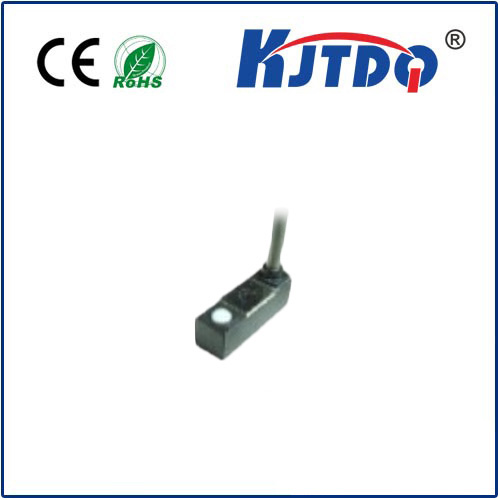
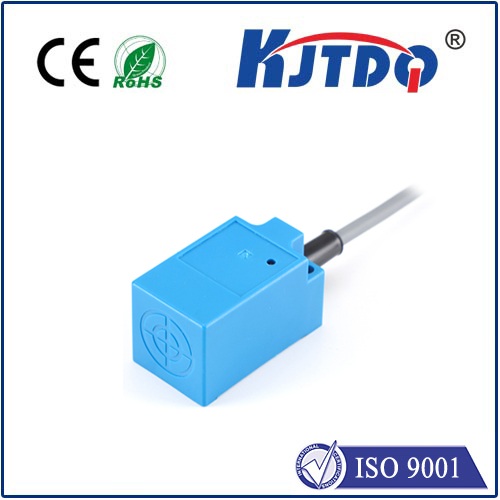
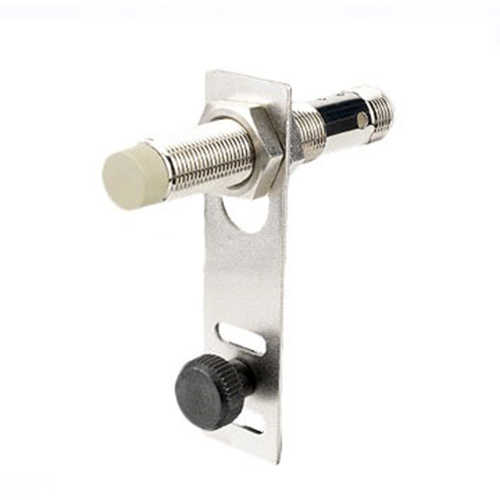
A limit switch small is a type of sensor used to detect the presence or absence of an object, or to monitor the position of a machine part. Unlike bulkier counterparts, these switches are designed with a minimal footprint, making them ideal for applications where space is at a premium. They operate by physically making or breaking an electrical contact when an actuator—such as a lever, roller, or plunger—is triggered by motion. This simple yet effective mechanism allows for reliable control in tight environments, from conveyor belts to robotic arms.
The applications of small limit switches are vast and varied. In manufacturing, they are commonly used to ensure that moving parts stop at precise points, preventing overtravel and potential damage. For example, in packaging machinery, a limit switch small can signal when a product has reached the correct position for sealing, enhancing accuracy and reducing waste. Similarly, in the automotive industry, these switches help control window movements or seat adjustments, providing smooth and safe operation. Their compact design also makes them suitable for consumer electronics, medical devices, and even aerospace systems, where every millimeter counts.
One of the key advantages of using a limit switch small is its durability and reliability. Despite their size, these switches are built to withstand harsh conditions, including dust, moisture, and temperature fluctuations. Many models feature sealed housings that protect internal components from environmental factors, ensuring consistent performance over time. Additionally, their mechanical nature means they do not require complex programming or external power sources to function, simplifying integration and maintenance. This makes them a cost-effective solution for both small-scale projects and large industrial setups.
Another benefit is the enhanced precision offered by small limit switches. With reduced actuator travel and faster response times, they can detect minute movements that larger switches might miss. This precision is crucial in applications like CNC machining or 3D printing, where exact positioning determines the quality of the final product. By incorporating these switches, engineers can achieve tighter tolerances and improve overall system efficiency. Moreover, their modular designs often allow for customization, such as adjustable actuators or different contact configurations, to meet specific needs.
When selecting a limit switch small, it's important to consider factors like actuation force, electrical rating, and mounting options. For instance, switches with low actuation force are suitable for delicate operations, while those with higher ratings can handle more robust machinery. Proper installation is also vital to ensure optimal performance; switches should be positioned where they can reliably interact with moving parts without interference. Regular inspection and testing can help prevent failures and extend the device's lifespan.
In conclusion, the limit switch small is a testament to how miniaturization can drive innovation in control systems. By offering a blend of compactness, durability, and precision, these switches enable smarter, more efficient machinery across industries. As technology continues to evolve, the demand for smaller, yet more capable components will only grow, solidifying the role of these tiny giants in automation. Whether you're designing a new machine or upgrading an existing one, considering a limit switch small could be the key to unlocking greater performance and reliability.