check

check

check

check

check

check
In industrial and automotive applications where operational conditions push the limits of conventional components, the high temperature micro switch stands as a critical safeguard. These specialized switches are engineered to perform reliably in environments where temperatures soar, often exceeding 150°C and reaching up to 200°C or more. Unlike standard micro switches, which may falter or fail under thermal stress, high temperature variants are constructed with advanced materials such as high-grade thermosetting plastics, ceramic bases, and special alloy springs and contacts. This material science innovation prevents deformation, maintains electrical integrity, and ensures consistent actuation force even during prolonged exposure to heat.
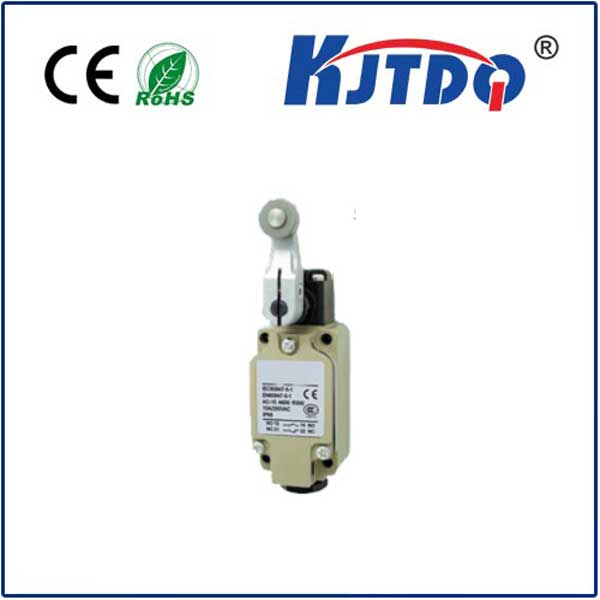
The core mechanism of a micro switch—a snap-action design with a spring-loaded actuator—remains, but every element is optimized for thermal resilience. The housing resists melting and cracking, internal springs are calibrated to retain their tension, and silver or gold-plated contacts minimize oxidation that can lead to increased resistance and arcing. This durability is not merely about survival; it is about maintaining precise performance specifications for critical safety and control functions. In an automotive engine compartment, for instance, a high temperature micro switch might monitor fluid levels or actuate a cooling fan, where failure could lead to engine damage or overheating. Within industrial furnaces, packaging machinery, or aerospace systems, these switches provide essential feedback for process control, ensuring operations halt if a door is open or a component reaches an unsafe temperature.
Selecting the right high temperature micro switch requires careful consideration of several parameters beyond just the maximum temperature rating. Engineers must evaluate the electrical load (current and voltage), the required mechanical life (number of cycles), the type of actuator (lever, roller, plunger), and the ingress protection (IP) rating against dust and moisture. Furthermore, certifications from standards bodies like UL, CSA, or VDE are often mandatory for compliance in regulated industries. Proper installation is equally crucial; switches should be mounted away from direct heat sources when possible, using appropriate hardware to avoid transferring additional thermal stress.
The evolution of these components continues, driven by demands for higher efficiency and miniaturization. New designs incorporate self-monitoring features or connectivity for Industry 4.0 predictive maintenance systems. By choosing a high temperature micro switch from a reputable manufacturer, system designers achieve more than just component reliability—they build a foundation for overall system safety, longevity, and uptime. This makes the switch not a mere cost item, but a vital investment in operational integrity where heat is a constant, formidable challenge.